《The Knockout》 S1·E36 (19:25)
HSK 6
bù hǎo yì sī gāo lǎo bǎn bù xí guàn gēn bié rén dā tái
不好意思 高老板 不习惯跟别人搭台
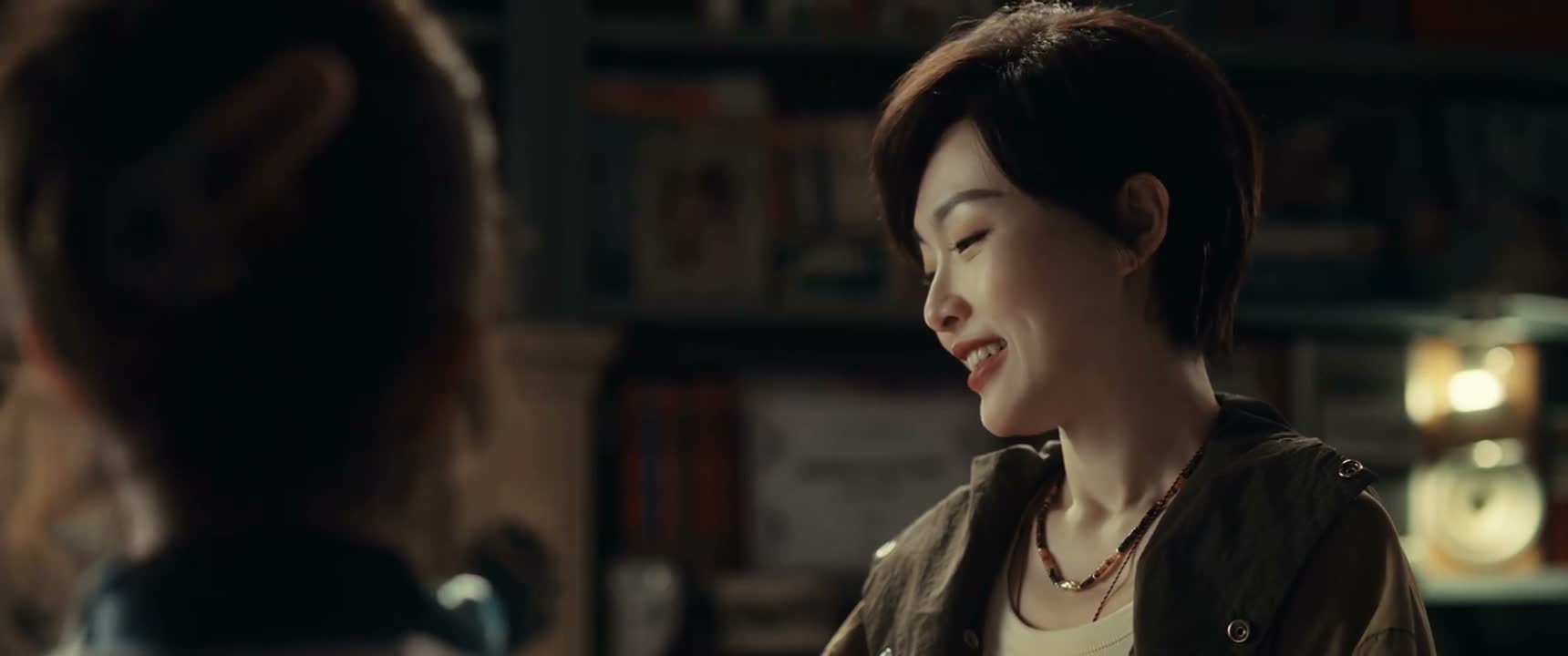
“Sorry. Mr. Gao, is not used to sharing table with others.”
《The Knockout》
S1·E36
TIMECODE: 19:25
·
1080P MASTER AUDIO
THE DIALOGUE REEL
[-1] PREVIOUS TURN
méi guān xì kě yǐ yì qǐ zuò
没关系 可以一起坐
“It's okay. We can sit together.”
bù hǎo yì sī gāo lǎo bǎn bù xí guàn gēn bié rén dā tái
CURRENT FOCUS
不好意思 高 老板 不习惯 跟别人 搭台
“Sorry. Mr. Gao, is not used to sharing table with others.”
[+1] FOLLOW-UP TURN
yǒu qián liǎo bù qǐ
有钱了不起
“So what if you're rich?”
Subtitles synced to millisecond timecode
Browse Show Clips →
Scene:
Dining & Food
Function:
REFUSING TABLE SHARING
Tone:
ALOOF
Emotion:
CONDESCENSION
WHAT THEY REALLY MEAN (PRAGMATIC SUBTEXT)
“We are too high-status to sit with someone like you, so back off.”
💡 Cultural Insight: Table Sharing (Da Tai) and Social Hierarchy
While sharing tables is standard in casual Chinese diners, elites or powerful bosses often view it as beneath their status, expecting exclusive personal space.
INTENT TAGS:
#rejection
#status_distinction
#boundary_setting
#euphemism
🧩
2 CHUNKS · 0 PARTICLES
LEARNING CHUNKS & PARTICLES
搭台
SPOKEN CHUNK
to share a table with strangers at a restaurant
Very common dining term, originating from Cantonese/Southern culture, used when dining spaces are crowded.
不习惯
SPOKEN CHUNK
not accustomed to / not in the habit of
A polite euphemistic way to express personal distaste or refusal without directly insulting the counterpart.
🏮
4 EXPR · 0 GRAMMAR
VOCABULARY & EXPRESSIONS
COLLOQUIAL EXPRESSIONS:
CROSS-CINEMA CORPUS BOARD · PARALLEL SCENES
EXPLORE BY SEMANTIC SIMILARITY
Parallel Spoken Cinema Scenes (语义近邻切片)
《The Knockout》 S1·E36 (19:25) · Authentic Cinema Dialogue Corpus