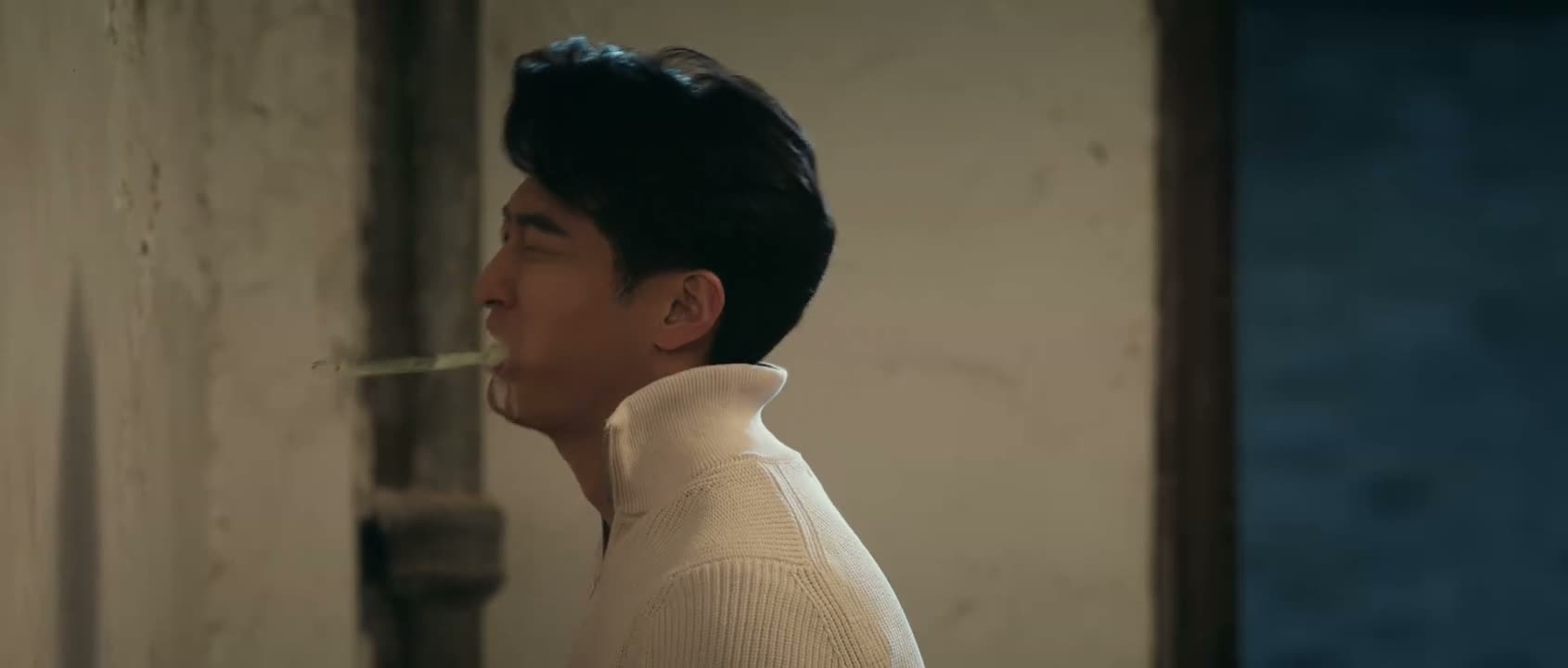
《Born to Be Alive》 S1·E17 (14:32)
HSK 5
nǐ men chū qù zěn me bù suǒ mén ya
你们出去 怎么不锁门呀
“Why didn't you lock the door when you got out?”
《Born to Be Alive》
S1·E17
TIMECODE: 14:32
·
1080P MASTER AUDIO
THE DIALOGUE REEL
[-1] PREVIOUS TURN
mā wǒ huí lái le
妈 我回来了
“Mom, I'm back.”
nǐ men chū qù zěn me bù suǒ mén ya
CURRENT FOCUS
你们 出去 怎么不锁门呀
“Why didn't you lock the door when you got out?”
[+1] FOLLOW-UP TURN
gē
哥
“Chun!”
Subtitles synced to millisecond timecode
Browse Show Clips →
Scene:
Family & Home
Function:
MILD REPROACH
Tone:
CASUAL AND MILDLY REPROACHFUL
Emotion:
SURPRISE
WHAT THEY REALLY MEAN (PRAGMATIC SUBTEXT)
Direct spoken expression in this communicative setting.
💡 Cultural Insight: Household Security Consciousness
In Chinese domestic life, family members frequently remind one another about locking doors as a routine expression of domestic vigilance.
INTENT TAGS:
#reproach
#questioning
#cautioning
#domestic_concern
🧩
2 CHUNKS · 1 PARTICLES
LEARNING CHUNKS & PARTICLES
锁门
SPOKEN CHUNK
to lock the door
A common everyday verb-object phrase used when leaving home.
怎么不
SPOKEN CHUNK
why didn't / why haven't
Used in spoken Chinese to question an omission or criticize an unperformed action.
Modal Particle「呀」 (ya)
CHANGE OF STATE
Softens the rhetorical question to prevent the reproach from sounding too harsh.
🏮
2 EXPR · 0 GRAMMAR
VOCABULARY & EXPRESSIONS
COLLOQUIAL EXPRESSIONS:
CROSS-CINEMA CORPUS BOARD · PARALLEL SCENES
EXPLORE BY SEMANTIC SIMILARITY
Parallel Spoken Cinema Scenes (语义近邻切片)

《Born to Be Alive》 S1·E17 (14:32) · Authentic Cinema Dialogue Corpus