我就是个待业青年呗
“I'm just an unemployed young man.”
THE DIALOGUE REEL
说难听了
“To put it bluntly,”
我 就是个 待业青年 呗
“I'm just an unemployed young man.”
这是小燕说的 当然不是了 她才不会这么说我呢
“Yan said that? Of course not. She wouldn't say that about me.”
“I know I don't have a job, so don't sugarcoat it or judge me.”
Historically in socialist China, unemployment was termed 'waiting for employment' (待业) to frame it as a temporary state rather than systemic joblessness, carrying specific social baggage.
LEARNING CHUNKS & PARTICLES
job-waiting youth / unemployed young person
A socio-historical term commonly used in mainland China to describe young individuals awaiting official employment allocation.
I'm just a...
A common colloquial frame for framing oneself with modesty or self-deprecating irony.
Conveys a sense of obviousness, indifference, or passive acceptance of reality.
VOCABULARY & EXPRESSIONS
Parallel Spoken Cinema Scenes (语义近邻切片)
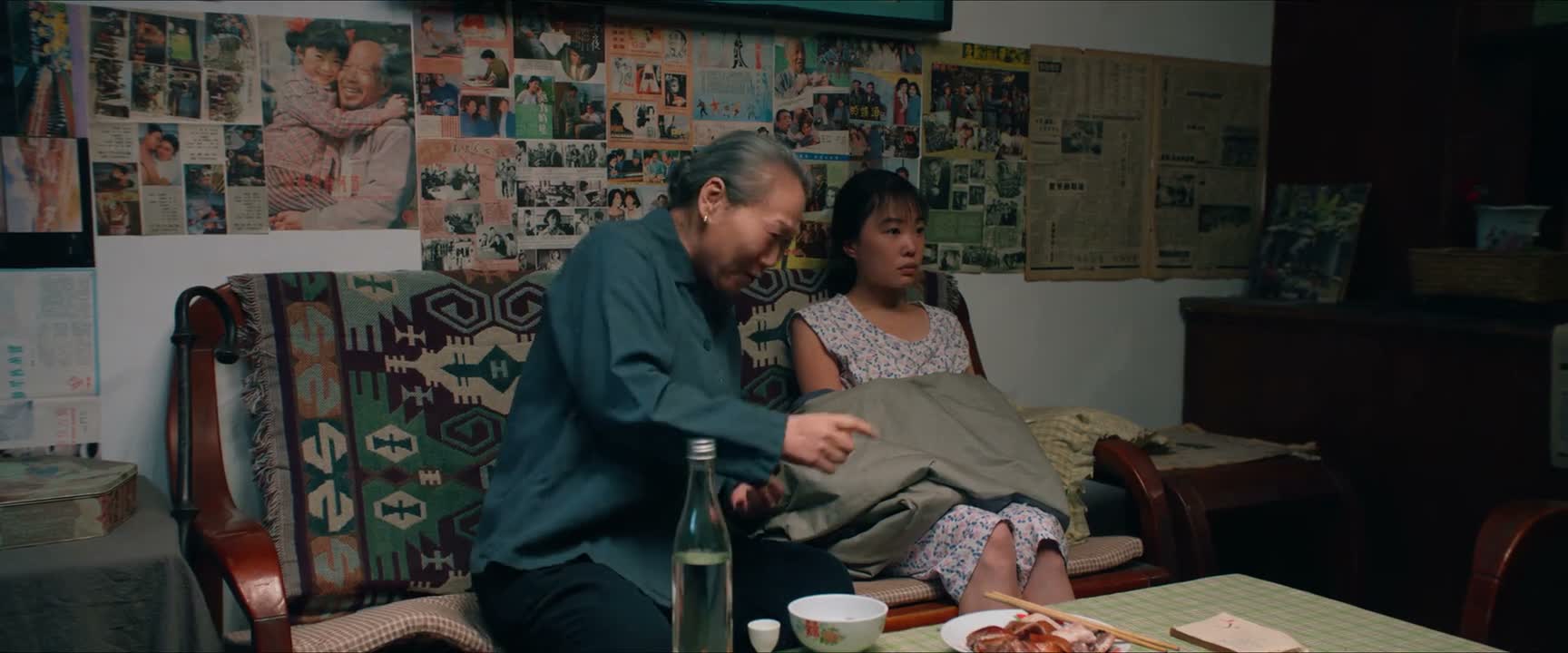
“If you don't like it, go get a job.”

“I just haven't found the right job yet. Have you even looked for one?”

“So I often did work-study.”

“I'm just an employee.”

“I just want a job!”

“In your current state, you won't find a job anywhere.”