你咋唱的 咋把花老师唱吐了
“What did you sing? Ms. Hua threw up!”
THE DIALOGUE REEL
却原来 我是 风里生来雨里长 奶奶
“♪As it turned out♪ ♪I was♪ ♪Born in the wind and raised in the rain♪ ♪Grandma♪”
你咋唱的 咋把花老师 唱吐了
“What did you sing? Ms. Hua threw up!”
“Yeah. She kept howling next to me.”
“Your singing was an absolute disaster, what on earth were you doing?”
Chinese friends frequently use dramatic bodily reactions like 'vomiting' or 'fainting' to playfully mock someone's poor skills.
LEARNING CHUNKS & PARTICLES
How on earth did you sing?
A colloquial northern Chinese question asking how someone managed to perform in a specific manner, usually implying disbelief.
sang so badly that it made someone vomit
An exaggerated spoken expression used to describe extremely bad or unendurable singing.
Indicates a completed action or a resulting change of state from the singing.
VOCABULARY & EXPRESSIONS
Parallel Spoken Cinema Scenes (语义近邻切片)

“What did I tell you? You sang it wrong, right?”
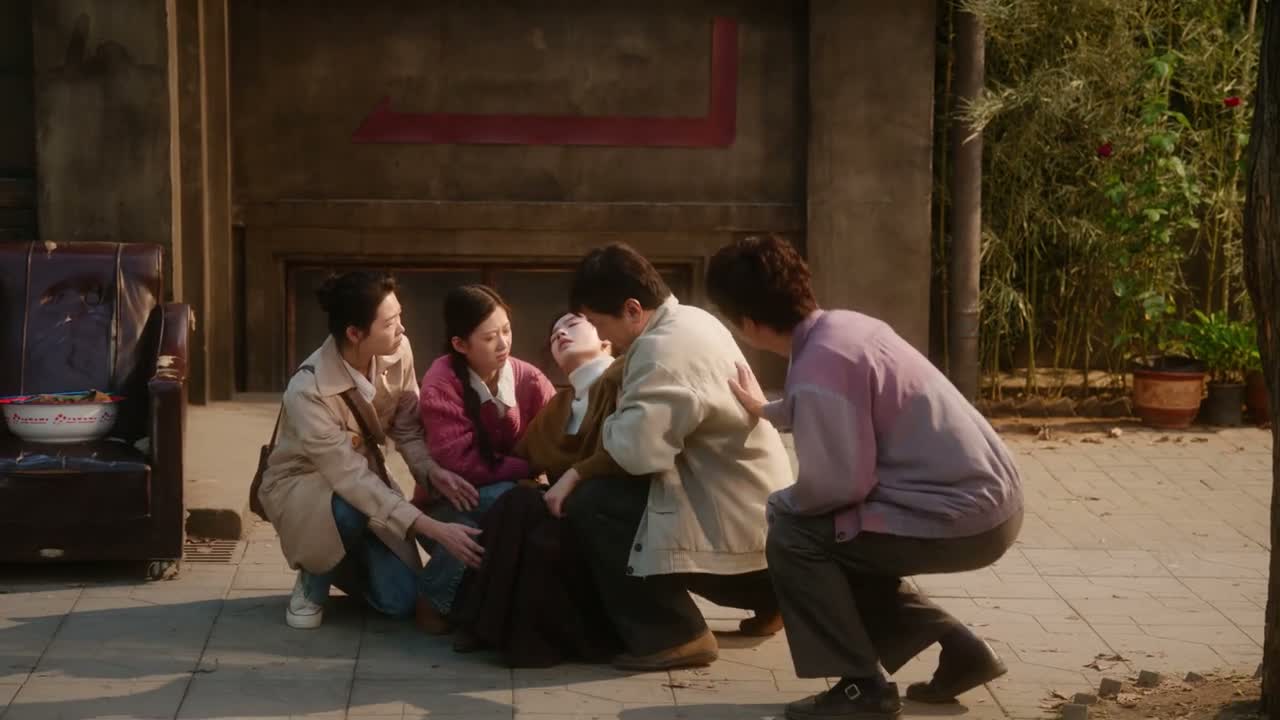
“Are you alright? Kid!”

“Just sing how you usually practice. You'll be absolutely fine.”
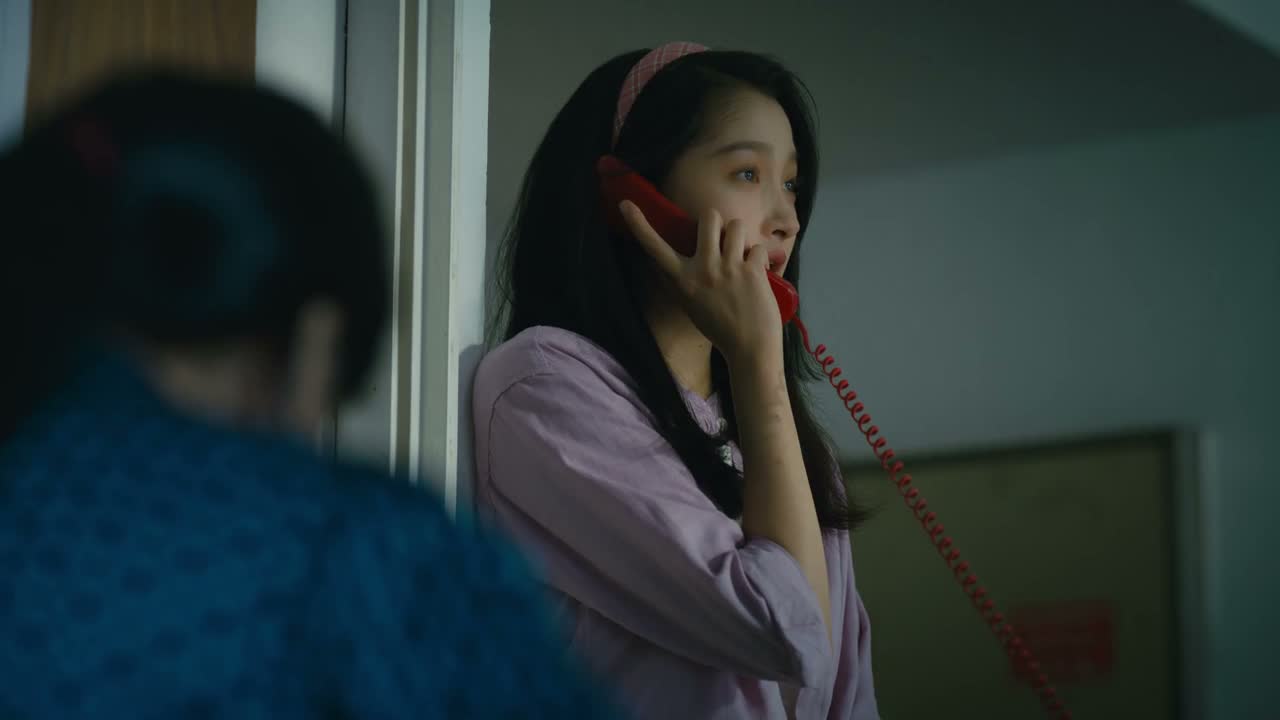
“What's wrong? You sound a bit off.”

“What's wrong with you? What's wrong?”

“I didn't know how. How did I sing?”