MC
MandarinClips Cinema Corpus
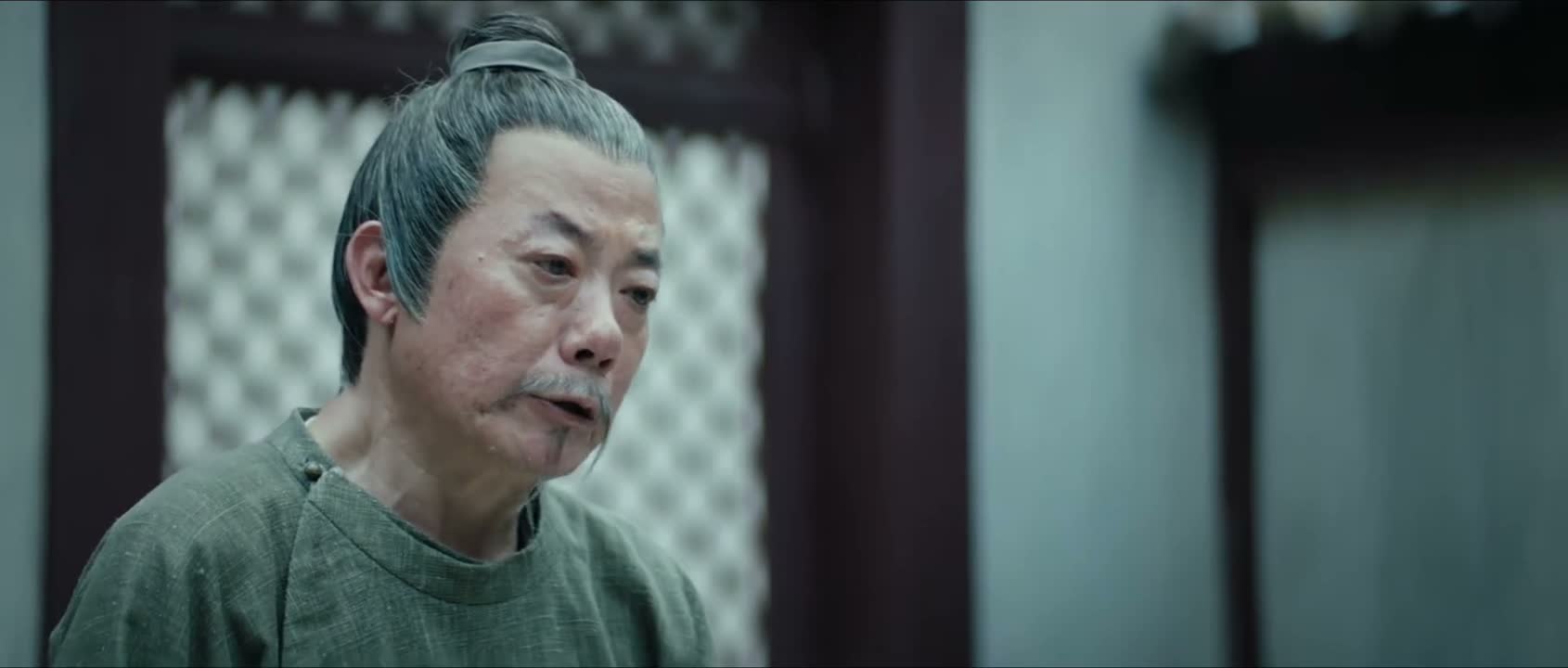
《How Dare You!?》 S1·E13 (04:12) HSK 6
xiǎo de men xià dé hàn yán nǎ

小的们吓得汗颜哪

“We servants were terrified.”

《How Dare You!?》 S1·E13
TIMECODE: 04:12 · 1080P MASTER AUDIO

THE DIALOGUE REEL

1+1+1 SPOKEN CONTINUITY
[-1] PREVIOUS TURN wú qíng wú yì méi yǒu wǒ de néng lì nǐ xià hóu dàn shá yě bú shì

“Heartless! Without my abilities, you, Xiahou Dan, are nothing!”

xiǎo de men xià dé hàn yán nǎ CURRENT FOCUS

小的 们吓得 汗颜 哪

“We servants were terrified.”

[+1] FOLLOW-UP TURN zhè me gǎn dǐng zhuàng huáng shàng hái zhí hū běn míng

这么敢顶撞皇上 还直呼本名

“She actually dared to defy His Majesty and even called him by his personal name.”

Subtitles synced to millisecond timecode Browse Show Clips →
Scene: Historical & Court
Function: EXPRESSING DREAD
Tone: REVERENT
Emotion: FEAR
WHAT THEY REALLY MEAN (PRAGMATIC SUBTEXT)
“This is absolute treason; we are terrified just being near this.”
💡 Cultural Insight: Imperial Name Taboo and Hierarchy

Directly uttering an emperor's given name was a severe imperial crime (treason), explaining why servants would experience paralyzing terror merely overhearing it.

INTENT TAGS: #terror #taboo_reaction #court_etiquette #subordination
🧩

LEARNING CHUNKS & PARTICLES

2 CHUNKS · 1 PARTICLES
小的们 SPOKEN CHUNK

we servants / we underlings

A humble plural self-referential term used by servants, commoners, or subordinate officers in historical contexts.

吓得汗颜 SPOKEN CHUNK

terrified to the point of cold sweats / deeply ashamed and unnerved

Used to describe an intense reaction of dread or acute embarrassment under severe pressure.

Modal Particle「哪」 (na) CHANGE OF STATE

Softens the final syllable into an emphatic sigh of lingering panic or disbelief.
🏮

VOCABULARY & EXPRESSIONS

2 EXPR · 0 GRAMMAR
CROSS-CINEMA CORPUS BOARD · PARALLEL SCENES

Parallel Spoken Cinema Scenes (语义近邻切片)

EXPLORE BY SEMANTIC SIMILARITY
《How Dare You!?》 S1·E13 (04:12) · Authentic Cinema Dialogue Corpus