MC
MandarinClips Cinema Corpus
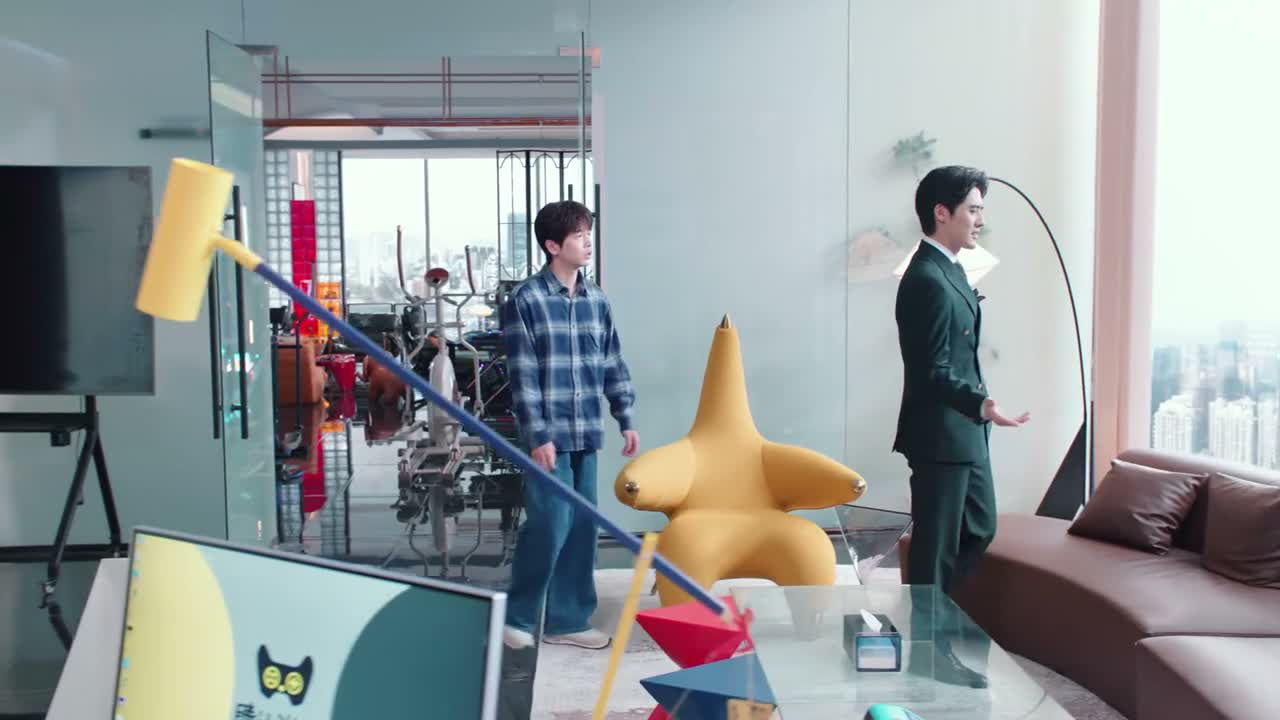
《A Splendid Match》 S1·E9 (30:07) HSK 6
rú jīn kàn lái dǎo shì wǒ dà yán bù cán le

如今看来 倒是我大言不惭了

“Seems I was talking big.”

《A Splendid Match》 S1·E9
TIMECODE: 30:07 · 1080P MASTER AUDIO

THE DIALOGUE REEL

1+1+1 SPOKEN CONTINUITY
[-1] PREVIOUS TURN wǒ zhī qián hái gēn rén jiā shuō ne zhè jīng chéng guò nián méi yǒu tōng zhōu rè nào

我之前还跟人家说呢 这京城过年 没有通州热闹

“I was telling people that the New Year in the capital isn't as lively as in Tongzhou.”

rú jīn kàn lái dǎo shì wǒ dà yán bù cán le CURRENT FOCUS

如今 看来 倒是 我 大言不惭 了

“Seems I was talking big.”

[+1] FOLLOW-UP TURN wǒ jué de gū niáng shuō dé méi cuò suī shuō zhè jīng chéng gèng rè nào

我觉得姑娘说得没错 虽说 这京城更热闹

“I think you were right. Sure, the capital is busier,”

Subtitles synced to millisecond timecode Browse Show Clips →
Scene: Social & Dating
Function: SELF DEPRECATION
Tone: SELF-DEPRECATING
Emotion: EMBARRASSMENT
WHAT THEY REALLY MEAN (PRAGMATIC SUBTEXT)

Direct spoken expression in this communicative setting.

💡 Cultural Insight: Modesty and Self-correction (Qianxu)

In Chinese interpersonal interaction, candidly calling oneself '大言不惭' is an act of conversational modesty that softens pride and earns goodwill from listeners.

INTENT TAGS: #humility #self_deprecation #acknowledgment #politeness
🧩

LEARNING CHUNKS & PARTICLES

2 CHUNKS · 1 PARTICLES
大言不惭 SPOKEN CHUNK

boasting shamelessly / making grandiose claims without embarrassment

A four-character idiom often used self-deprecatingly to admit having spoken too boastfully.

如今看来 SPOKEN CHUNK

as it turns out now / looking at it now

Used as a conversational transitional phrase to reassess a previous opinion in light of new evidence.

Modal Particle「了」 (le) CHANGE OF STATE

Marks realization and the completion of the speaker's self-assessment.
🏮

VOCABULARY & EXPRESSIONS

3 EXPR · 0 GRAMMAR
CROSS-CINEMA CORPUS BOARD · PARALLEL SCENES

Parallel Spoken Cinema Scenes (语义近邻切片)

EXPLORE BY SEMANTIC SIMILARITY
《A Splendid Match》 S1·E9 (30:07) · Authentic Cinema Dialogue Corpus