整个早上都没看到啊
“- [bystander 3] No. We didn't see anything. - [bystander 4] Do you know what happened?”
THE DIALOGUE REEL
对…
“- [bystander 3] No. We didn't see anything. - [bystander 4] Do you know what happened?”
整个早上都没看到 啊
“- [bystander 3] No. We didn't see anything. - [bystander 4] Do you know what happened?”
“[bystander 3] We were just walking past, and we heard someone scream.”
Direct spoken expression in this communicative setting.
Colloquial Mandarin frequently pairs scope specifiers like '整个' with '都' to stress an absolute baseline before presenting a startling contradiction.
LEARNING CHUNKS & PARTICLES
the whole morning / all morning
A common time expression used to emphasize the entire duration of a morning.
didn't see anything at all
Pairs 都 with a negative verb to emphasize complete absence or failure to perceive.
Adds an explanatory, slightly surprised, or confirming tone to the statement.
VOCABULARY & EXPRESSIONS
Parallel Spoken Cinema Scenes (语义近邻切片)

“and pretend you didn't see anything.”

“I haven't seen you all day.”

“Otherwise, I usually wouldn't see you.”
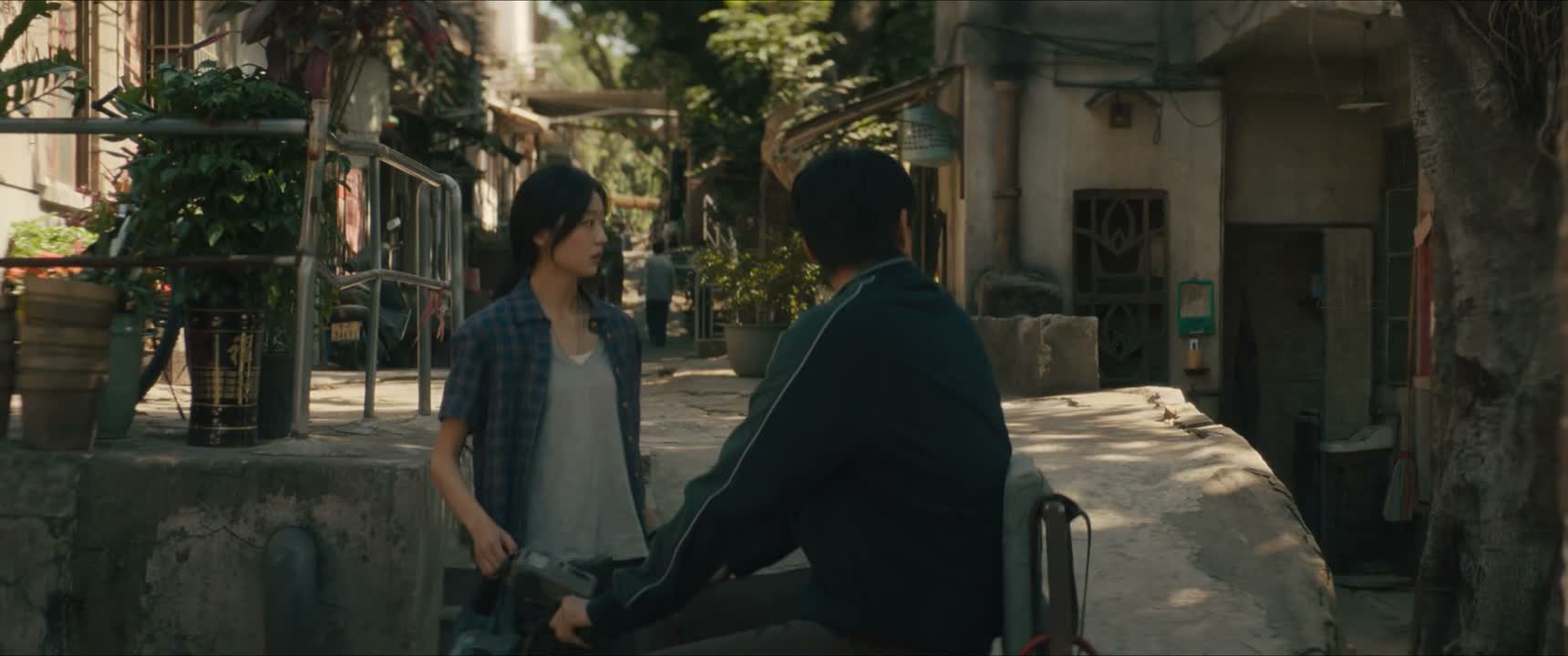
“I haven't seen him either.”

“The one I posted yesterday got no response all day.”
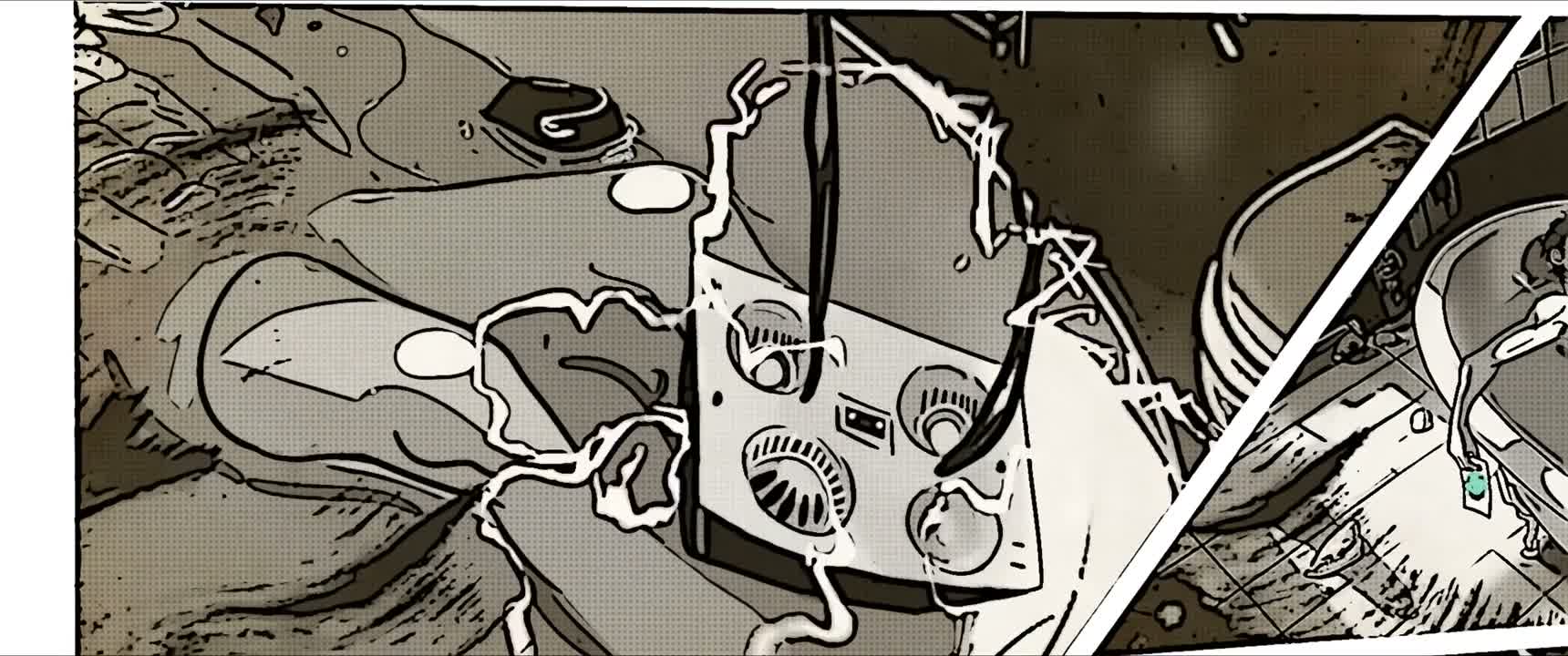
“and before he even got to see it, he...”