回屋伺候行家去
“I'm going back to serve the expert.”
THE DIALOGUE REEL
趔趄 小伙子 你弄啥去嘛 不伺候你们了嘛
“Stumbling. Young man, where are you off to? I'm not serving you anymore.”
回屋 伺候行家 去
“I'm going back to serve the expert.”
说话
“Tell me.”
“I don't have time to deal with you; I have real experts waiting for me inside.”
In traditional trades and artistic circles, deference to verified masters or experts ('hangjia') outweighs dealing with amateurs or casual bystanders.
LEARNING CHUNKS & PARTICLES
return to the room or house
A very common colloquial expression in Northern Chinese used to indicate stepping indoors or going back to a room.
to wait upon, to serve, to attend to
Frequently used colloquially with slight resentment or self-deprecation when referring to taking care of someone demanding.
expert or connoisseur
Use this noun to denote someone knowledgeable in a specific trade, art, or craft.
Functions as a directional verb complement signaling purposeful movement to carry out the action.
VOCABULARY & EXPRESSIONS
Parallel Spoken Cinema Scenes (语义近邻切片)

“serving one client after another.”
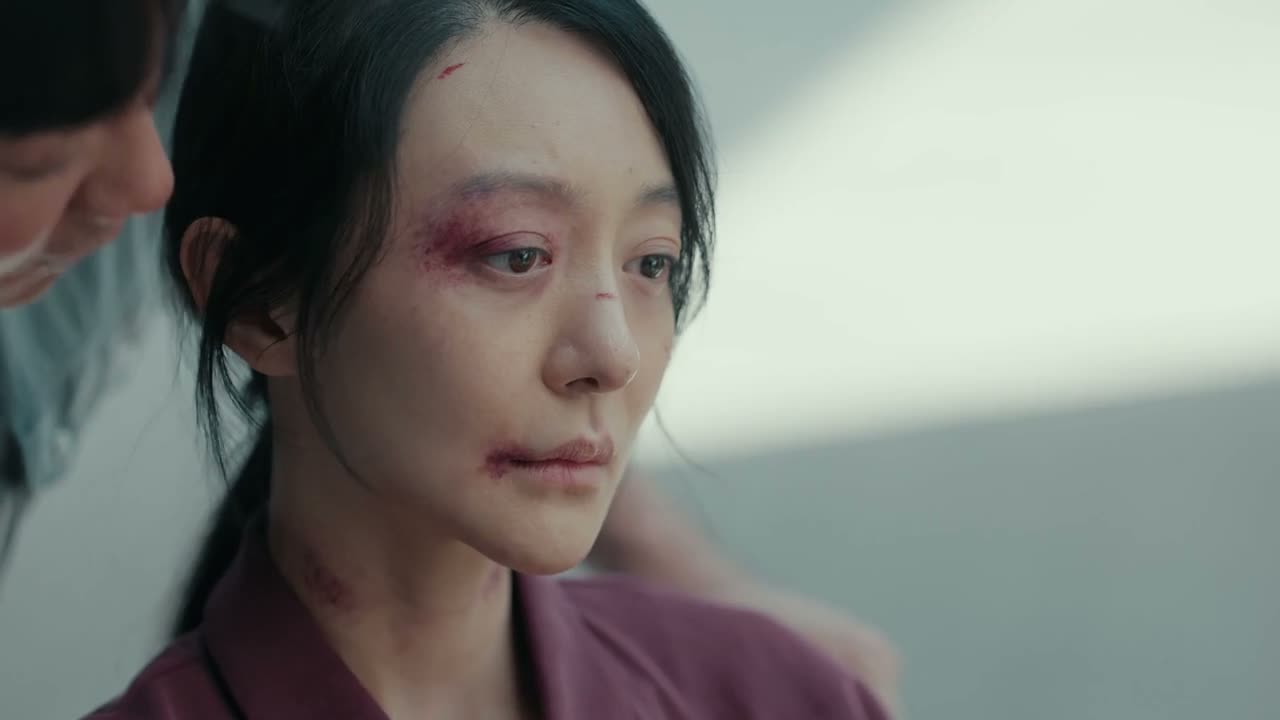
“I can take good care of you at home.”
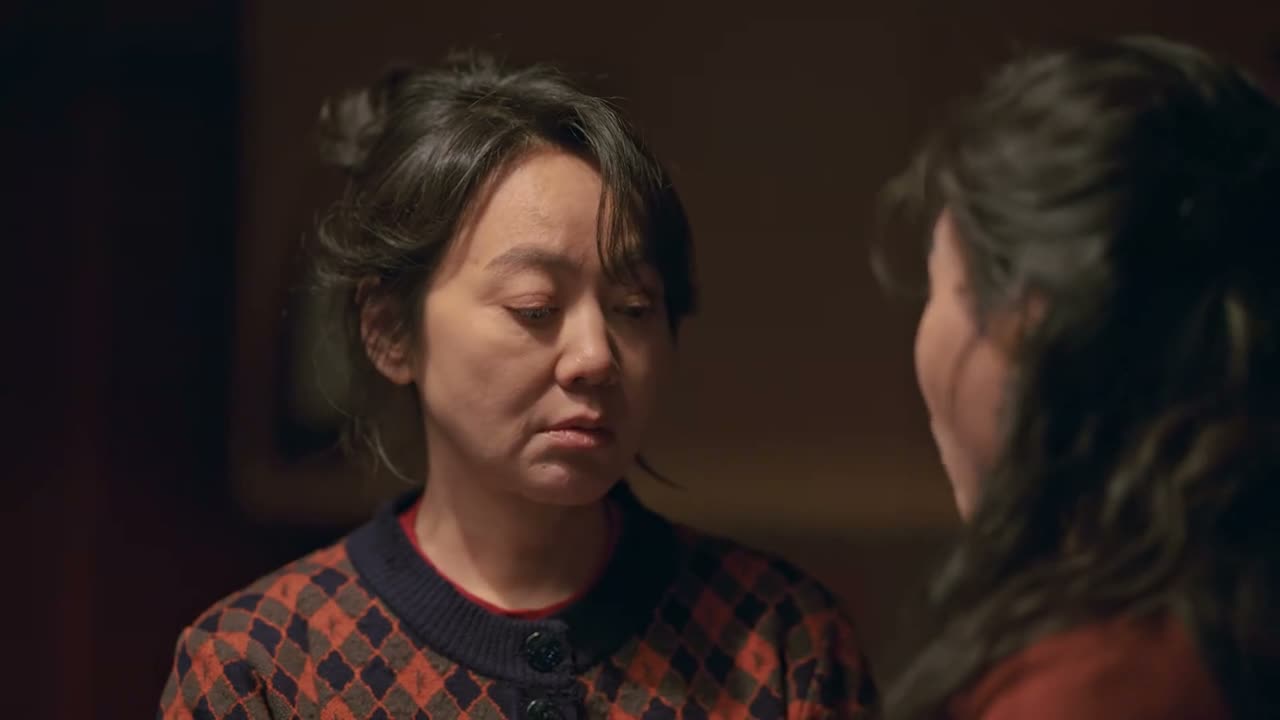
“I originally thought I'd take care of her.”

“I have to go back to help with the guesthouse.”

“Why is she serving the others?”

“Go inside and do your homework. Can I feed Jiongxi first?”