我本来寻思是我去伺候的
“I originally thought I'd take care of her.”
THE DIALOGUE REEL
“Zhang Fang's grandma injured her leg. Paralyzed in bed, she can't move a bit.”
我 本来 寻思 是我 去 伺候 的
“I originally thought I'd take care of her.”
“But now, Fang's leg is all stabbed up. What should I do?”
“I was fully prepared to do my duty, but unexpected problems came up.”
Providing hands-on bedside care for incapacitated relatives is a serious moral obligation in traditional Chinese family culture; explaining why one failed to do so requires delicate justification.
LEARNING CHUNKS & PARTICLES
originally thought / originally planned
A colloquial northern dialect expression equivalent to 'originally reckoned/assumed'.
attend to / care for (an invalid or elder)
Commonly used in familial contexts when caring daily for a sick or bedridden family member.
Placed at the end of the clause to reinforce certainty and emphasize the speaker's original intent.
VOCABULARY & EXPRESSIONS
Parallel Spoken Cinema Scenes (语义近邻切片)
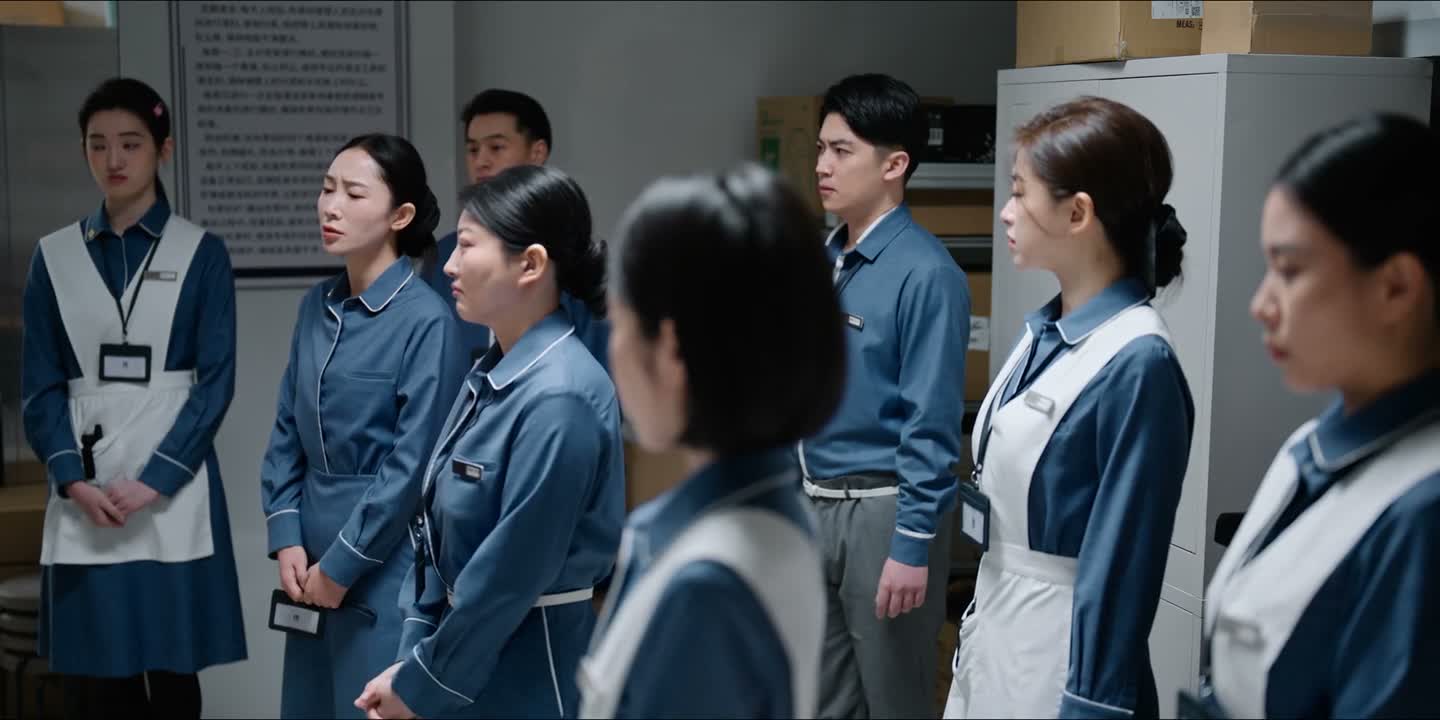
“was served by me from beginning to end, too.”

“You've pampered me so well”

“What's wrong with that? - If you don't want, just split up! - You dare hit me?”

“Why is she serving the others?”
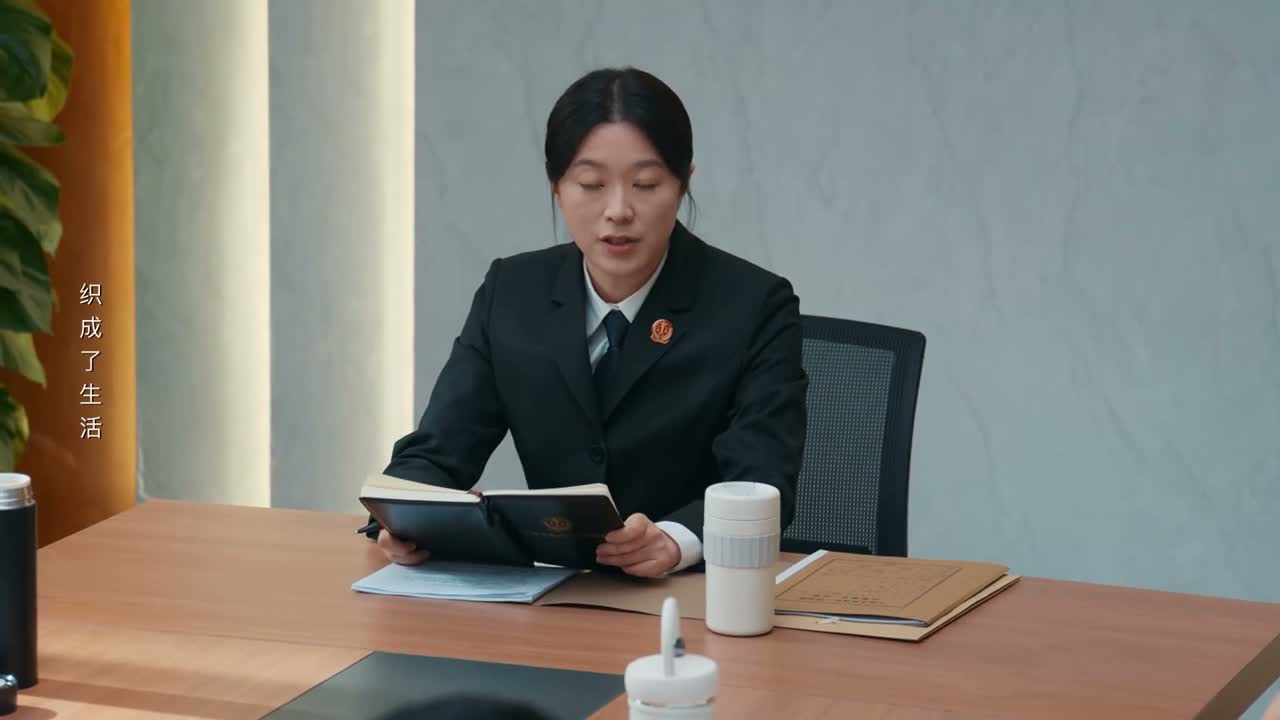
“(I once thought my duty)”

“I wanted to go in and investigate.”