这空口无凭 谁信哪
“Without proof, who would believe it?”
THE DIALOGUE REEL
对啊
“Exactly.”
这空口无凭 谁信哪
“Without proof, who would believe it?”
“If the Song family really borrowed money from you,”
“You have no proof, so shut up because nobody is going to take your word for it.”
In Chinese society, oral claims regarding money or liability are treated with high skepticism unless backed by an explicit voucher (字据), leading to immediate dismissal during disputes.
LEARNING CHUNKS & PARTICLES
words alone are no proof; verbal statements carry no weight
A classic set phrase used when dismissing oral claims and insisting on tangible, written evidence.
who would ever believe that?
A rhetorical question used to aggressively dismiss an assertion as absurd or unsubstantiated.
Enhances the rhetorical and scoffing force of the question, underscoring disbelief.
Parallel Spoken Cinema Scenes (语义近邻切片)
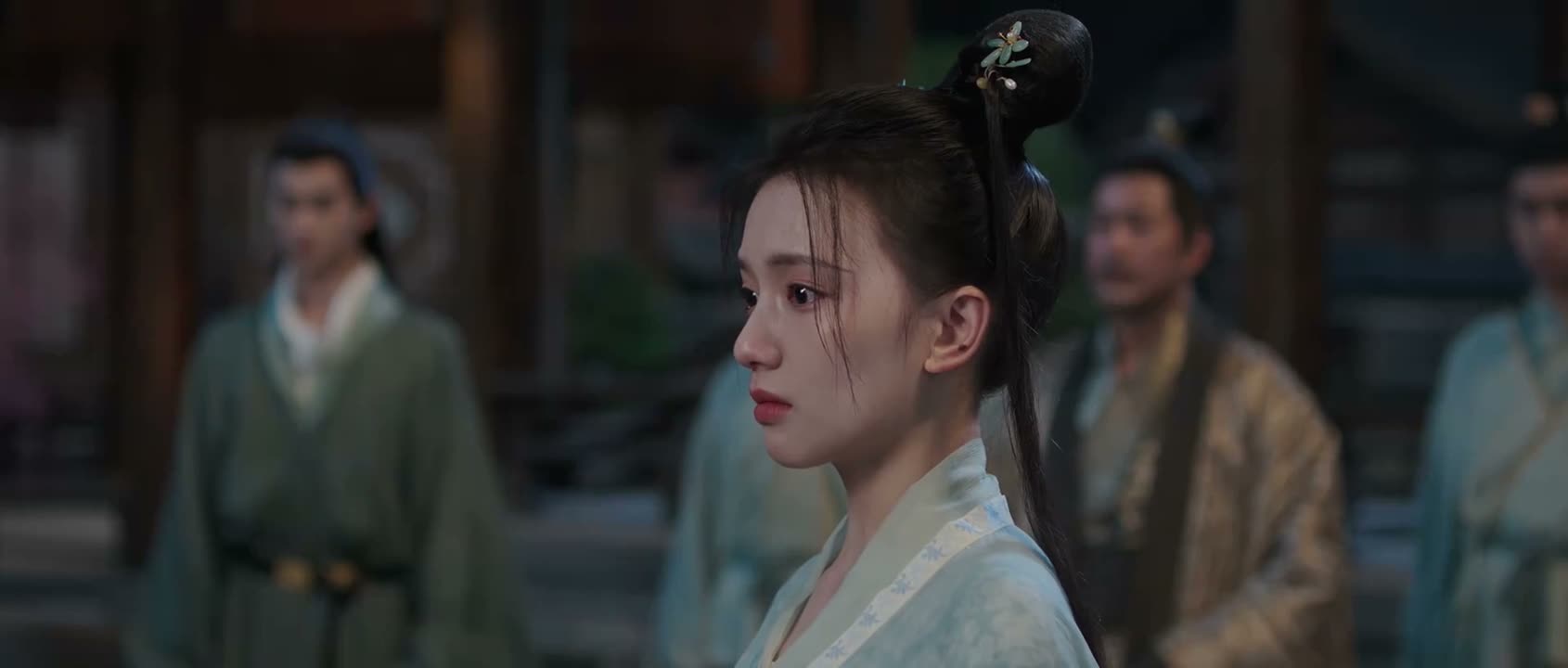
“But empty words mean nothing.”

“The previous reports were all just hearsay—”

“If you doubt it… Words are no proof.”
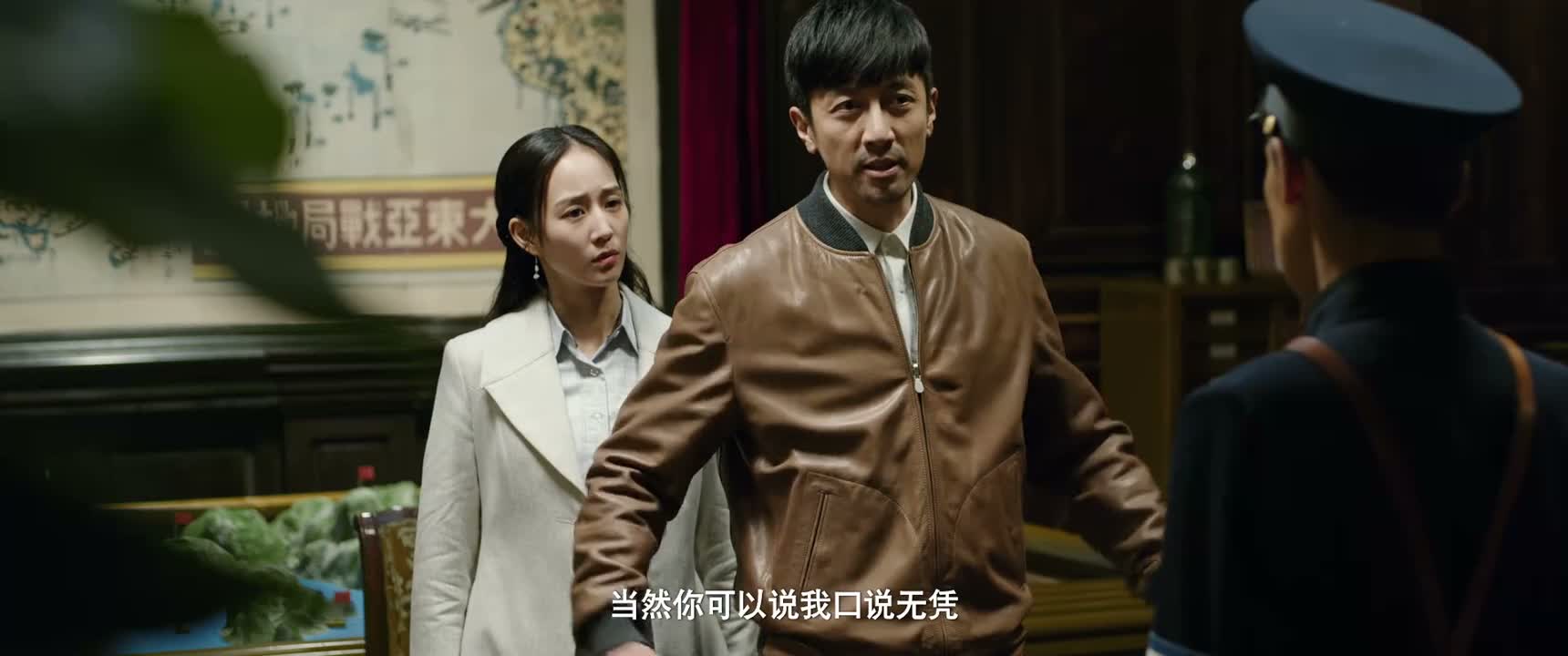
“Of course, you can say I have no proof.”

“But talk is cheap. Why should I believe you?”