MC
MandarinClips Cinema Corpus
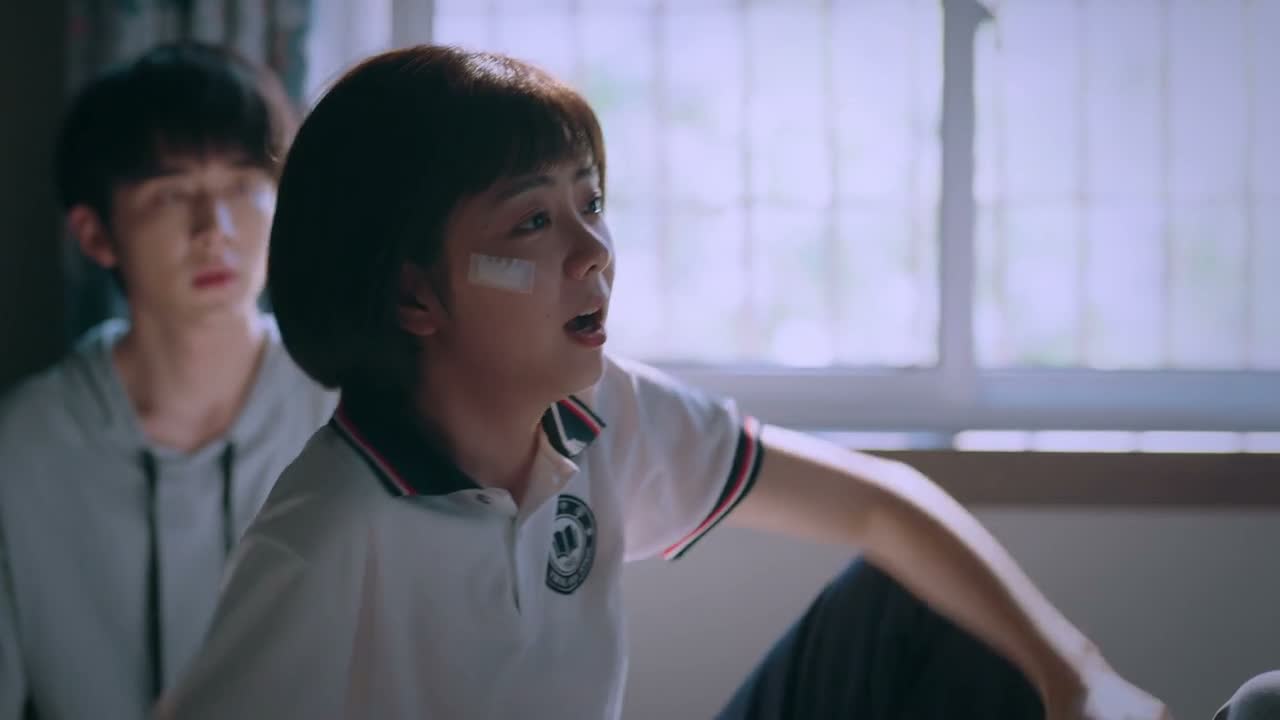
《Love Story in the 1970s》 S1·E21 (32:34) HSK 1
nǐ méi shì ba bà mā méi shì nǐ men méi shì tài hǎo le

你没事吧 爸 妈没事 你们没事太好了

“Are you all right? Dad, Mom, I'm fine. Thank goodness you're okay.”

《Love Story in the 1970s》 S1·E21
TIMECODE: 32:34 · 1080P MASTER AUDIO

THE DIALOGUE REEL

1+1+1 SPOKEN CONTINUITY
[-1] PREVIOUS TURN zài nà ne

在那呢

“Over there.”

nǐ méi shì ba bà mā méi shì nǐ men méi shì tài hǎo le CURRENT FOCUS

你没事吧 爸 妈没事 你们没事 太好了

“Are you all right? Dad, Mom, I'm fine. Thank goodness you're okay.”

[+1] FOLLOW-UP TURN gē ne

哥呢

“Where's Fei Ting?”

Subtitles synced to millisecond timecode Browse Show Clips →
Scene: Crisis & Conflict
Function: EXPRESSING RELIEF
Tone: EMOTIONAL AND CARING
Emotion: RELIEF
WHAT THEY REALLY MEAN (PRAGMATIC SUBTEXT)

Direct spoken expression in this communicative setting.

💡 Cultural Insight: Familial Mutual Concern

In Chinese culture, ensuring the physical safety and well-being of elders during an unexpected crisis is an immediate filial instinct.

INTENT TAGS: #checking_safety #expressing_relief #family_care #reassurance
🧩

LEARNING CHUNKS & PARTICLES

2 CHUNKS · 2 PARTICLES
你没事吧 SPOKEN CHUNK

Are you okay? / Are you alright?

A very standard everyday way to ask if someone is hurt or emotionally upset.

太好了 SPOKEN CHUNK

That's wonderful / That's great

Commonly used as an exclamation when hearing good news or feeling relieved.

Modal Particle「吧」 (ba) CHANGE OF STATE

Softens the question, seeking tentative confirmation while hoping for a positive answer.

Modal Particle「了」 (le) CHANGE OF STATE

Functions as part of the emotional exclamation structure '太...了' indicating high intensity.
🏮

VOCABULARY & EXPRESSIONS

2 EXPR · 1 GRAMMAR
CROSS-CINEMA CORPUS BOARD · PARALLEL SCENES

Parallel Spoken Cinema Scenes (语义近邻切片)

EXPLORE BY SEMANTIC SIMILARITY
《Love Story in the 1970s》 S1·E21 (32:34) · Authentic Cinema Dialogue Corpus