太好了
tài hǎo leCommon spoken expression used by native Chinese speakers in daily life.
[Scene: 其他场景]
(25 clips) 00:03
(对 我有急用) ── Previous context
“That's great. As long as it's not lost. How about this? I'll take leave and come see you today.”
 00:02
(实在不行 你就让你弟弟过来 我带着他干) ── Previous context
“That's wonderful. I'll let him know later.”
 00:02
 00:02
 00:03
(满街坊邻居宣传呢 我编得怎么样) ── Previous context
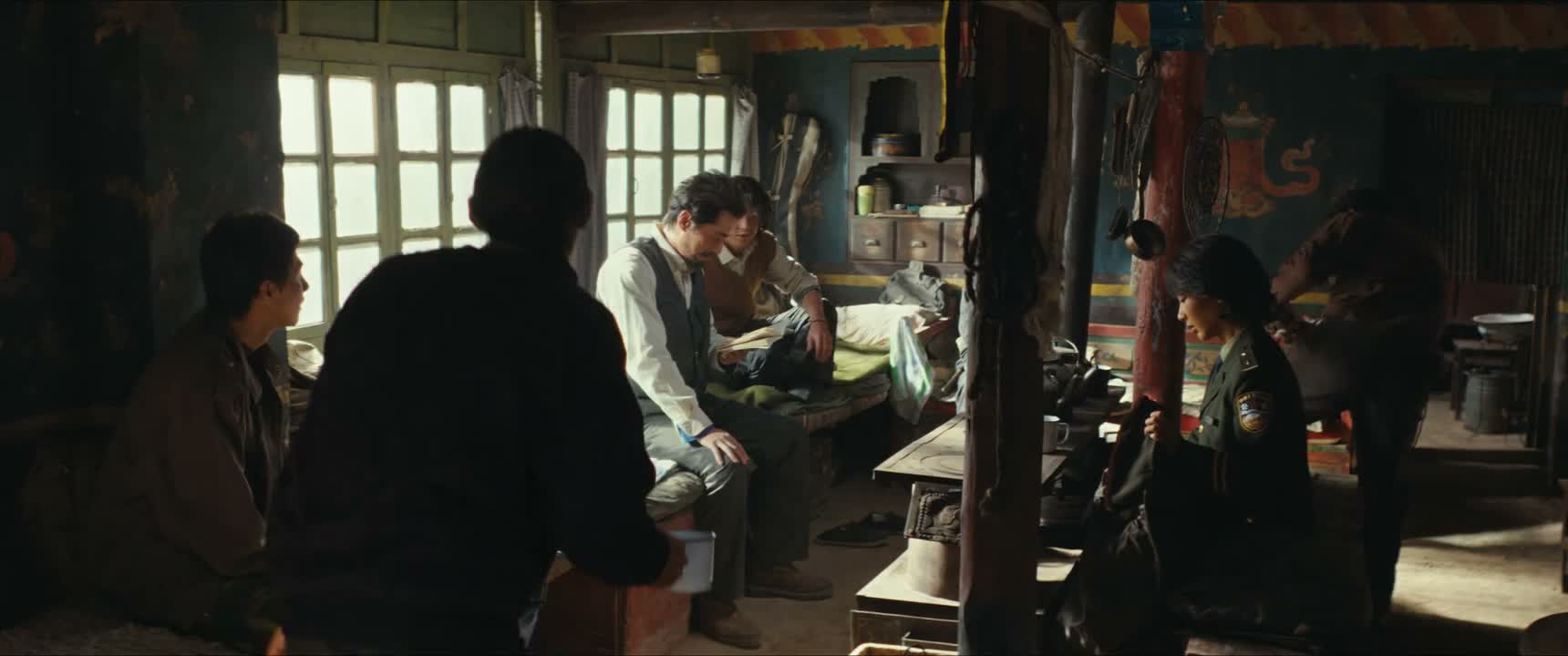
“It's great. The characters in it do have traces of you guys,”
 00:02
 00:02
 00:02
 00:02
 00:02
(我这儿没有太好的衣服 但是这个保暖) ── Previous context
“That's great, Yong. You've solved a big problem for me.”
 00:02
 00:03
 00:03
(你搬得动吗 你) ── Previous context
“You've made a fortune. This man is truly lucky. Congratulations.”
 00:02
 00:02
 00:03
 00:02
 00:02
 00:03
 00:02
 00:03
 00:03
 00:03
(可以买到) ── Previous context
“That's perfect. I absolutely need this. Absolutely.”
 00:04
(我吃晕车药了 就最后一片 我以为来这儿) ── Previous context
“be done with cars, so no extra meds. Then... That's good.”
 00:02
[Scene: 其他场景]
(12 clips) 00:02
 00:03
(表弟 我对你这么好 你现在还不相信我) ── Previous context
“It's because you've been too good to me, and I trusted you like an idiot.”
 00:02
 00:03
(在那呢) ── Previous context
“Are you all right? Dad, Mom, I'm fine. Thank goodness you're okay.”
 00:02
 00:02
 00:03
(雾妄言) ── Previous context
“- Wu Shiguang. - Wangyan? Thank goodness! You're alive!”
 00:02
 00:02
 00:02
 00:02
(然后我不做任何的解释 去离开那个会议室) ── Previous context
“I really thought better of you. I never should've discussed it with you.”
 00:02
[Scene: 商务沟通]
(3 clips) 00:03
(谢谢啊 好 再见啊 再见) ── Previous context
“This is wonderful! I finally have a place of my own.”
 00:02
 00:03
(徐老板也刚刚给我 打了个电话) ── Previous context
“He said he had something to do and couldn't leave. That's great.”
📌 多好啊
→Nuance: 均表达对假设情况的向往与期盼
📌 没事
→Nuance: 同为劫后关切父母的交际变体
📌 没事
→Nuance: 同为询问父母并确认无事
📌 来来来
→Nuance: 同向近义词根配对: [这里 ↔ 这边]
📌 你赶紧
→Nuance: 同样劝吃但语气更客气礼貌
📌 好嘞
→Nuance: 同向近义词根配对: [医生 ↔ 大夫]
📌 放心
→Nuance: 均表达如释重负的喜悦
📌 一个人
→Nuance: 同向近义词根配对: [头骨 ↔ 颅骨]