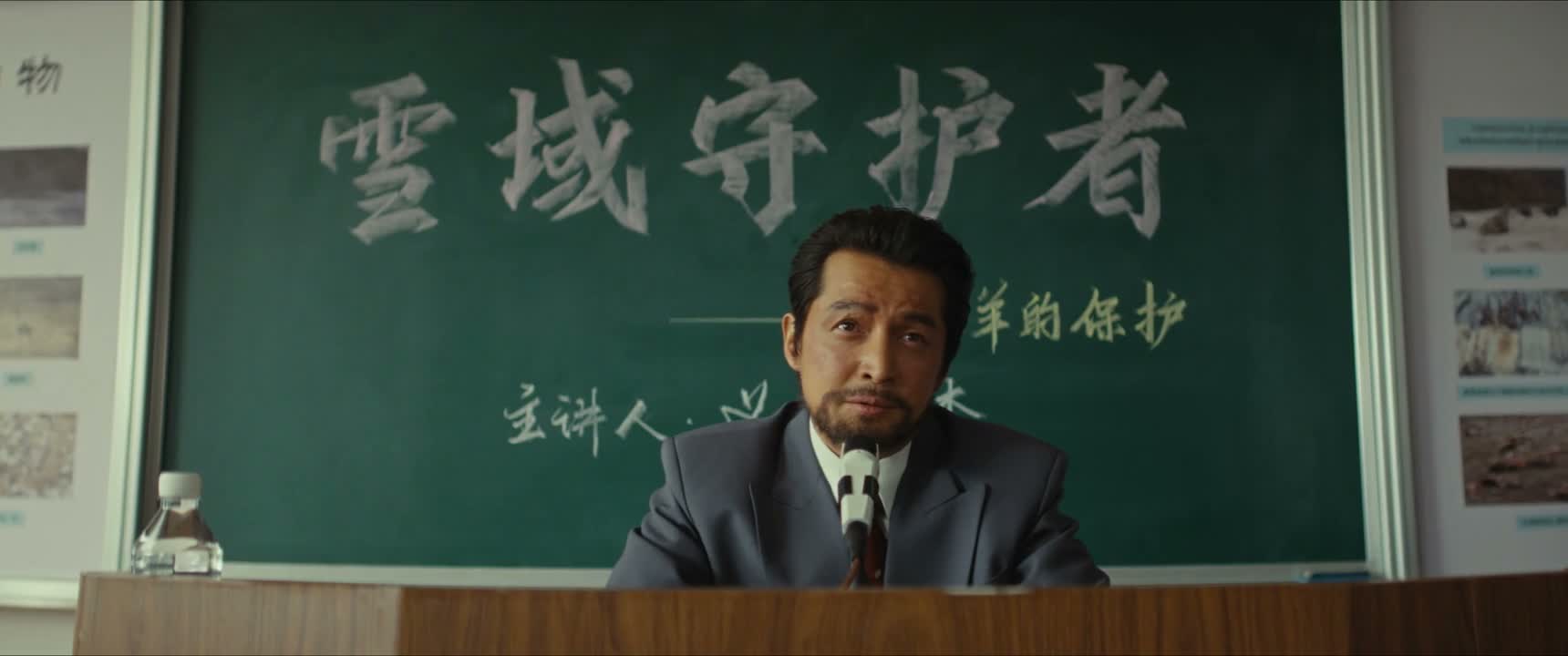
《Love Story in the 1970s》 S1·E21 (28:54)
HSK 2
nǐ xiàn zài bú shì yí gè rén le suǒ yǐ nǐ yǒu shén me
你现在不是一个人了 所以你有什么
“(You're not alone anymore.) (So whatever you're feeling,)”
《Love Story in the 1970s》
S1·E21
TIMECODE: 28:54
·
1080P MASTER AUDIO
THE DIALOGUE REEL
[-1] PREVIOUS TURN
hái yǒu ài
还有爱
“(but love.)”
nǐ xiàn zài bú shì yí gè rén le suǒ yǐ nǐ yǒu shén me
CURRENT FOCUS
你现在 不是一个人了 所以你 有什么
“(You're not alone anymore.) (So whatever you're feeling,)”
[+1] FOLLOW-UP TURN
kāi xīn de hái shì bù kāi xīn de nǐ dōu kě yǐ gēn wǒ shuō
开心的还是不开心的 你都可以跟我说
“(whether you're happy or upset,) (you can tell me.)”
Subtitles synced to millisecond timecode
Browse Show Clips →
Scene:
Social & Dating
Function:
OFFERING SUPPORT
Tone:
GENTLE AND SUPPORTIVE
Emotion:
TENDERNESS
WHAT THEY REALLY MEAN (PRAGMATIC SUBTEXT)
Direct spoken expression in this communicative setting.
💡 Cultural Insight: Emotional Sharing as Intimacy
Inviting someone to share both joy and sorrow signals a profound level of emotional commitment and partnership in Chinese relationships.
INTENT TAGS:
#support
#comfort
#bonding
#empathy
🧩
1 CHUNKS · 1 PARTICLES
LEARNING CHUNKS & PARTICLES
不是一个人了
SPOKEN CHUNK
no longer alone; having someone by one's side
Commonly used in romantic or deep friendship contexts to convey committed companionship.
Modal Particle「了」 (le)
CHANGE OF STATE
Marks a new status or transition into having someone supportive by their side.
🏮
3 EXPR · 1 GRAMMAR
VOCABULARY & EXPRESSIONS
COLLOQUIAL EXPRESSIONS:
GRAMMAR BLUEPRINTS:
CROSS-CINEMA CORPUS BOARD · PARALLEL SCENES
EXPLORE BY SEMANTIC SIMILARITY
Parallel Spoken Cinema Scenes (语义近邻切片)
《Love Story in the 1970s》 S1·E21 (28:54) · Authentic Cinema Dialogue Corpus