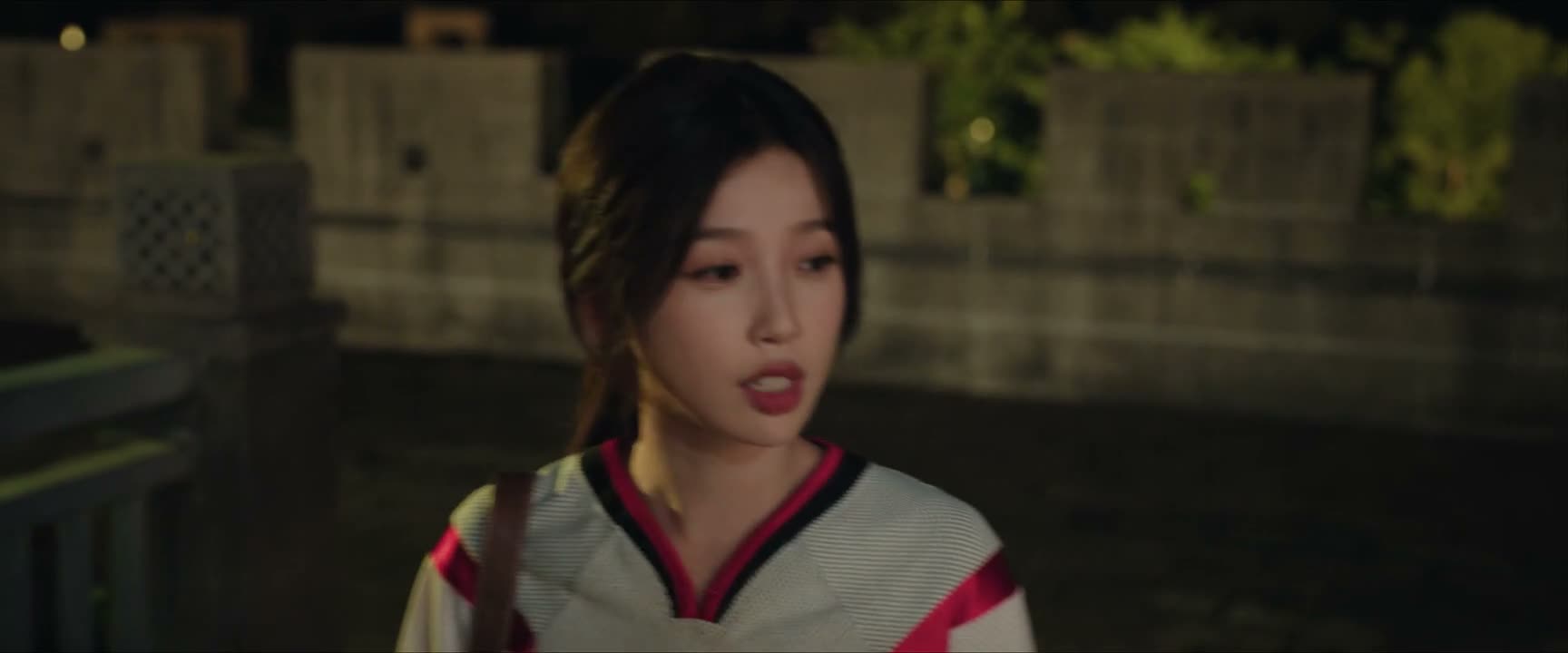
那我怎么看你情绪 好像不太好啊
“Then why do you seem to be in a bad mood?”
THE DIALOGUE REEL
他先来找的我嘛 说明他没什么坏心眼
“He came to me first, which means that he didn't have ulterior motives.”
那我 怎么看 你情绪 好像 不太好 啊
“Then why do you seem to be in a bad mood?”
我愁的是他的身份
“I'm beset by his identity.”
“Stop pretending everything is fine—I can see you're still troubled.”
In close interpersonal relationships, pointing out visible negative moods is seen as a gesture of care and attentiveness rather than a violation of personal boundaries.
LEARNING CHUNKS & PARTICLES
in low spirits; feeling down
A polite, observant way to note that someone looks upset, stressed, or moody without being intrusive.
Softens the interrogative tone into a friendly, probing query rather than an aggressive accusation.
VOCABULARY & EXPRESSIONS
Parallel Spoken Cinema Scenes (语义近邻切片)
“Then why don't you look happy?”

“You look upset.”

“Are you in a bad mood today?”

“You're in a bad mood.”

“She looked quite upset,”