MC
MandarinClips Cinema Corpus
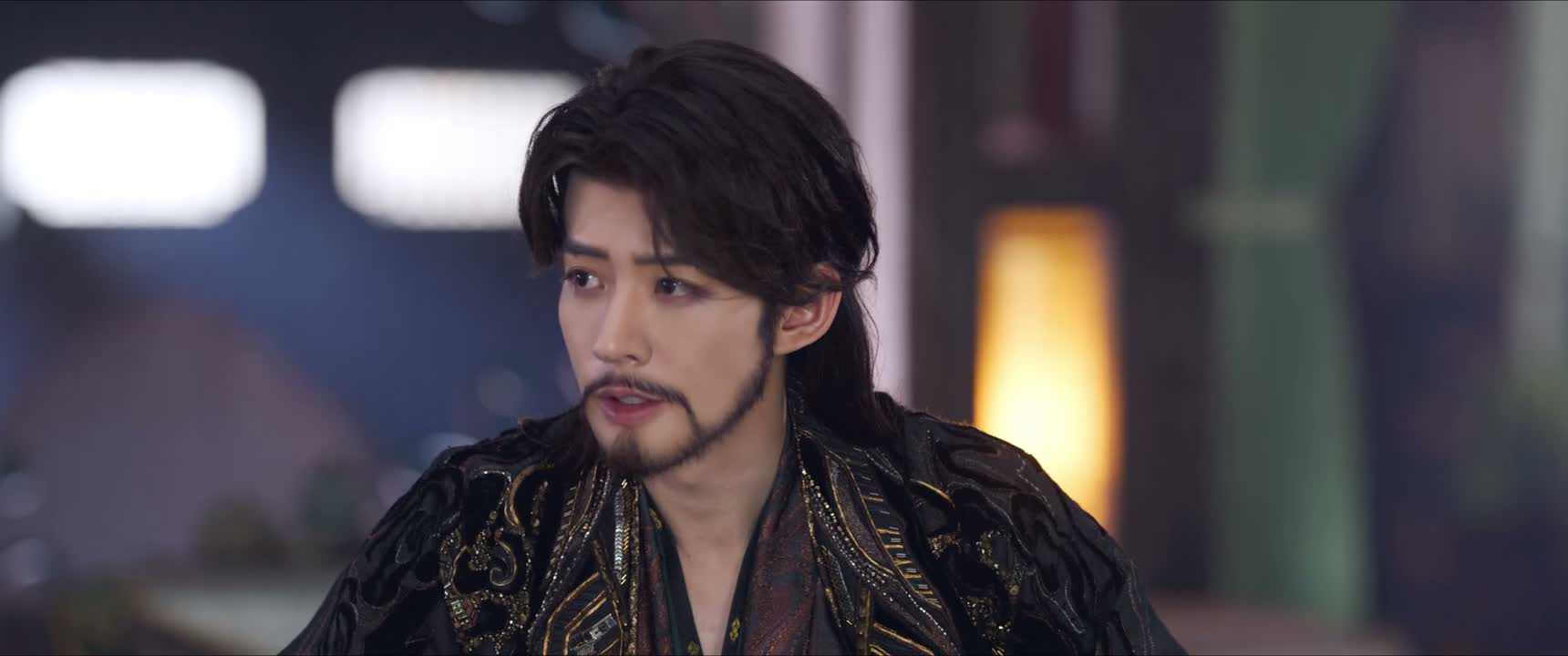
《The Knockout》 S1·E32 (29:54) HSK 2
yǒu le qián nǐ bù jiù zhī dào gāi gàn má le ma

有了钱 你不就知道该干吗了吗

“You'll know the answer after you have lots of money.”

《The Knockout》 S1·E32
TIMECODE: 29:54 · 1080P MASTER AUDIO

THE DIALOGUE REEL

1+1+1 SPOKEN CONTINUITY
[-1] PREVIOUS TURN guān jiàn wǒ yào nà me duō qián zuò shén me ne

关键我要那么多钱 做什么呢

“I don't know what to do with so much money.”

yǒu le qián nǐ bù jiù zhī dào gāi gàn má le ma CURRENT FOCUS

有了钱 你 不就知道 该干吗 了吗

“You'll know the answer after you have lots of money.”

[+1] FOLLOW-UP TURN wèn tí xiàn zài wǒ yě bù zài nà ér gàn le

问题现在 我也不在那儿干了

“I don't work there anymore.”

Subtitles synced to millisecond timecode Browse Show Clips →
Scene: Social & Dating
Function: REBUTTING ARGUMENT
Tone: PERSUASIVE
Emotion: EXASPERATION
WHAT THEY REALLY MEAN (PRAGMATIC SUBTEXT)
“Stop overthinking; take the money first, and figure out how to spend it later.”
💡 Cultural Insight: Pragmatic Materialism

In contemporary everyday Chinese dialogue, wealth is often seen as the baseline prerequisite for freedom and life choices rather than an abstract burden.

INTENT TAGS: #persuasion #rhetorical_question #dismissal #pragmatism
🧩

LEARNING CHUNKS & PARTICLES

2 CHUNKS · 2 PARTICLES
有了 SPOKEN CHUNK

once you have...

A concise conditional structure setting up a state that triggers an inevitable outcome.

该干吗 SPOKEN CHUNK

what one should do

Extremely common colloquial phrasing for deciding upon one's next actions or tasks.

Modal Particle「了」 (le) CHANGE OF STATE

Marks a change of state, indicating entering a new cognitive state of knowing what to do.

Modal Particle「吗」 (ma) CHANGE OF STATE

Forms a rhetorical question with negative syntax ('你不就知道...了吗') to emphasize the obviousness of the conclusion.
🏮

VOCABULARY & EXPRESSIONS

2 EXPR · 1 GRAMMAR
CROSS-CINEMA CORPUS BOARD · PARALLEL SCENES

Parallel Spoken Cinema Scenes (语义近邻切片)

EXPLORE BY SEMANTIC SIMILARITY
《The Knockout》 S1·E32 (29:54) · Authentic Cinema Dialogue Corpus