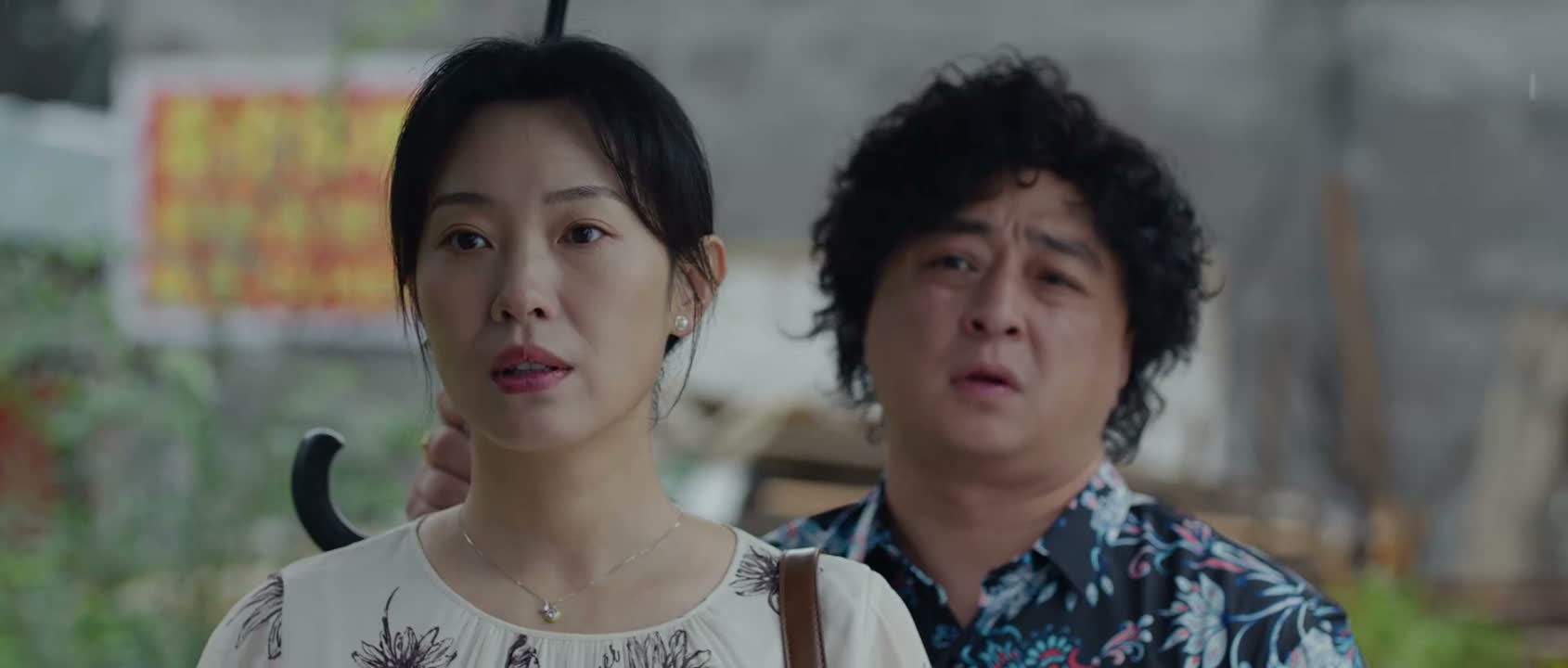
《Love Story in the 1970s》 S1·E25 (18:44)
HSK 2
xíng zǒu ba zǒu le a mā
行 走吧 走了啊妈
“Fine. You can go. Bye, Mom.”
《Love Story in the 1970s》
S1·E25
TIMECODE: 18:44
·
1080P MASTER AUDIO
THE DIALOGUE REEL
[-1] PREVIOUS TURN
ná zhe jiù shuō nǐ mǎi de
拿着 就说你买的
“Take this. Say you bought it.”
xíng zǒu ba zǒu le a mā
CURRENT FOCUS
行 走吧 走了啊 妈
“Fine. You can go. Bye, Mom.”
Subtitles synced to millisecond timecode
Browse Show Clips →
Scene:
Family & Home
Function:
TAKING LEAVE
Tone:
CASUAL AND WARM
Emotion:
AFFECTION
WHAT THEY REALLY MEAN (PRAGMATIC SUBTEXT)
Direct spoken expression in this communicative setting.
💡 Cultural Insight: Familial Leave-Taking Rituals
In Chinese culture, directly announcing your departure to elders using their title (like 'Mom') shows filial respect and care, rather than slipping out quietly.
INTENT TAGS:
#departure
#leave_taking
#casual_farewell
#familial_warmth
🧩
2 CHUNKS · 2 PARTICLES
LEARNING CHUNKS & PARTICLES
走吧
SPOKEN CHUNK
let's go
A very common colloquial invitation or suggestion to leave a place.
走了啊
SPOKEN CHUNK
we're taking off now
Used informally to announce one's departure to close friends or family.
Modal Particle「吧」 (ba)
CHANGE OF STATE
Softens the imperative into a gentle suggestion to move.
Modal Particle「啊」 (a)
CHANGE OF STATE
Adds warmth, informality, and catches the listener's attention upon leave-taking.
🏮
2 EXPR · 0 GRAMMAR
VOCABULARY & EXPRESSIONS
COLLOQUIAL EXPRESSIONS:
CROSS-CINEMA CORPUS BOARD · PARALLEL SCENES
EXPLORE BY SEMANTIC SIMILARITY
Parallel Spoken Cinema Scenes (语义近邻切片)

《Love Story in the 1970s》 S1·E25 (18:44) · Authentic Cinema Dialogue Corpus