他客死京城
“and he died in the Capital, far from home.”
THE DIALOGUE REEL
今日骆家败亡
“Today, the Luo family has fallen,”
他 客死 京城
“and he died in the Capital, far from home.”
爷爷
“Grandfather...”
Direct spoken expression in this communicative setting.
Dying away from home (kesi) was considered one of life's greatest tragedies in ancestral Chinese culture, as one was deprived of dying on native soil among family.
LEARNING CHUNKS & PARTICLES
to die far away from one's home/ancestral land
A literary term carrying deep tragic weight because traditional culture places immense importance on dying at home.
VOCABULARY & EXPRESSIONS
Parallel Spoken Cinema Scenes (语义近邻切片)

“If he wanted to leave the capital unnoticed,”

“leave the capital soon.”

“daring to storm the capital alone,”
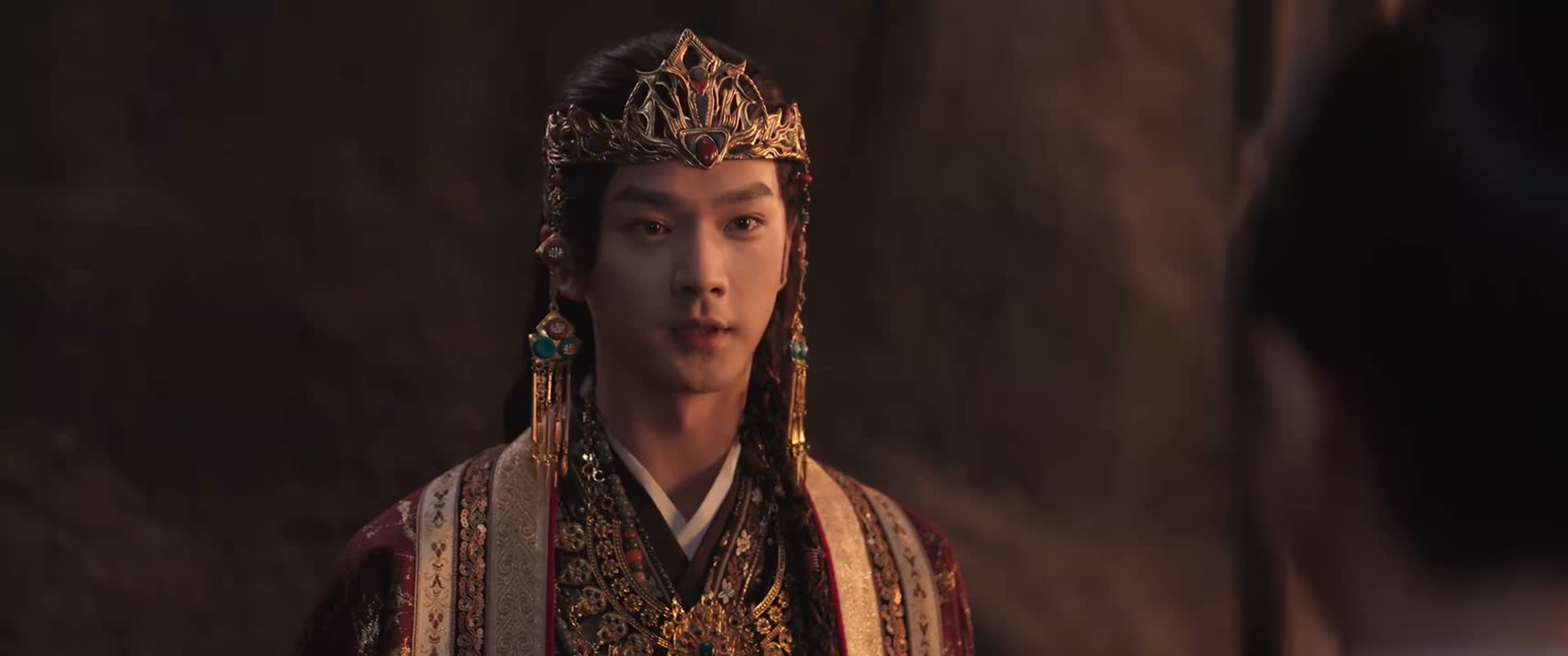
“died in a foreign state with my body in the wilderness now.”

“I remember you said before that you can't leave the capital,”

“You must leave the capital.”