你赶紧想一想 平时她都能去哪儿呢 爱去哪儿呢
“Think. Where does she usually go? Where else?”
THE DIALOGUE REEL
“If we knew where she went, why would we call you over?”
你赶紧 想一想 平时她都能 去哪儿呢 爱 去哪儿呢
“Think. Where does she usually go? Where else?”
她每天就演出 要么练功 要么就是排练
“She performs every day. Or she's training. Or rehearsing.”
Direct spoken expression in this communicative setting.
In close Chinese communities and families, an unexpected disappearance triggers rapid, collective mobilization and direct questioning without polite hedging.
LEARNING CHUNKS & PARTICLES
hurry up and think
Used to press someone to rack their brains quickly during a tense or urgent situation.
normally; in ordinary times
Used to frame habitual behavior or standard routines in daily conversations.
Marks an open, inquiring question while adding a sense of ongoing deliberation.
VOCABULARY & EXPRESSIONS
Parallel Spoken Cinema Scenes (语义近邻切片)
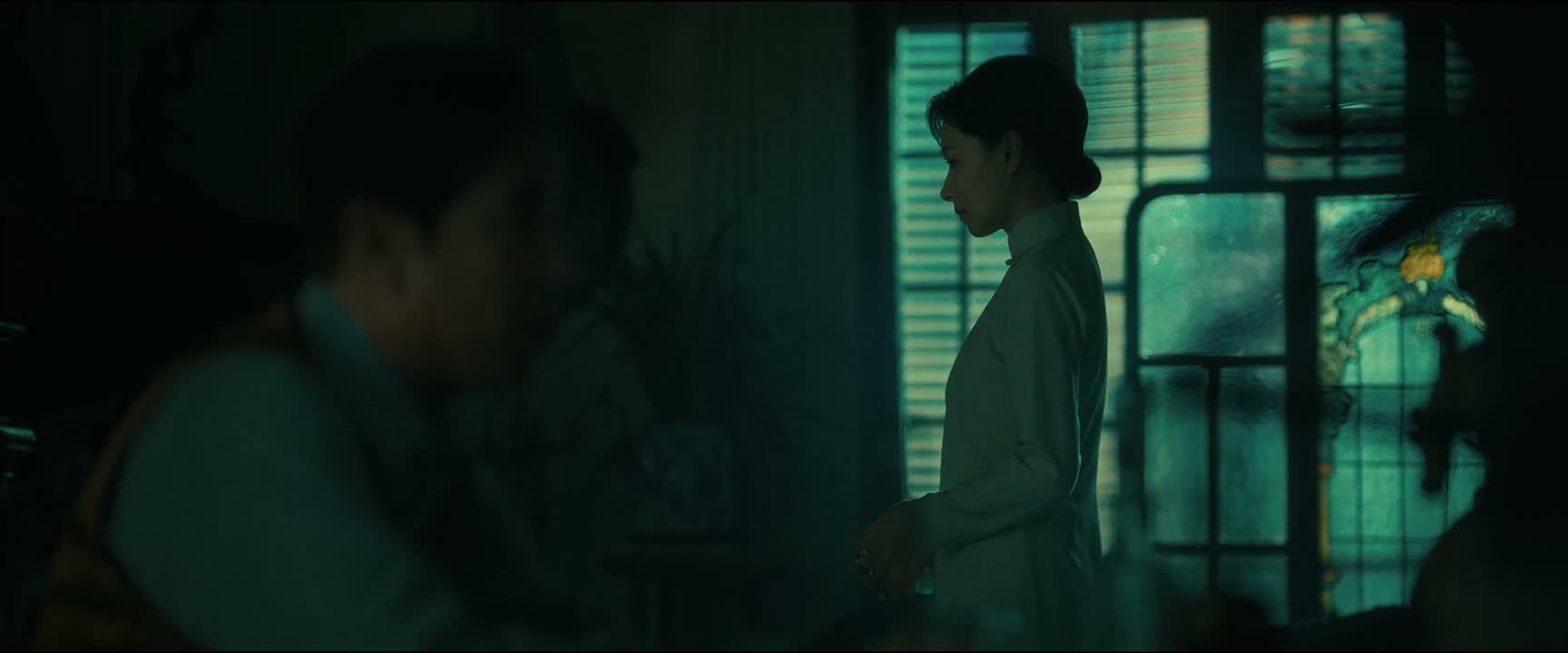
“I was thinking, where should I go?”
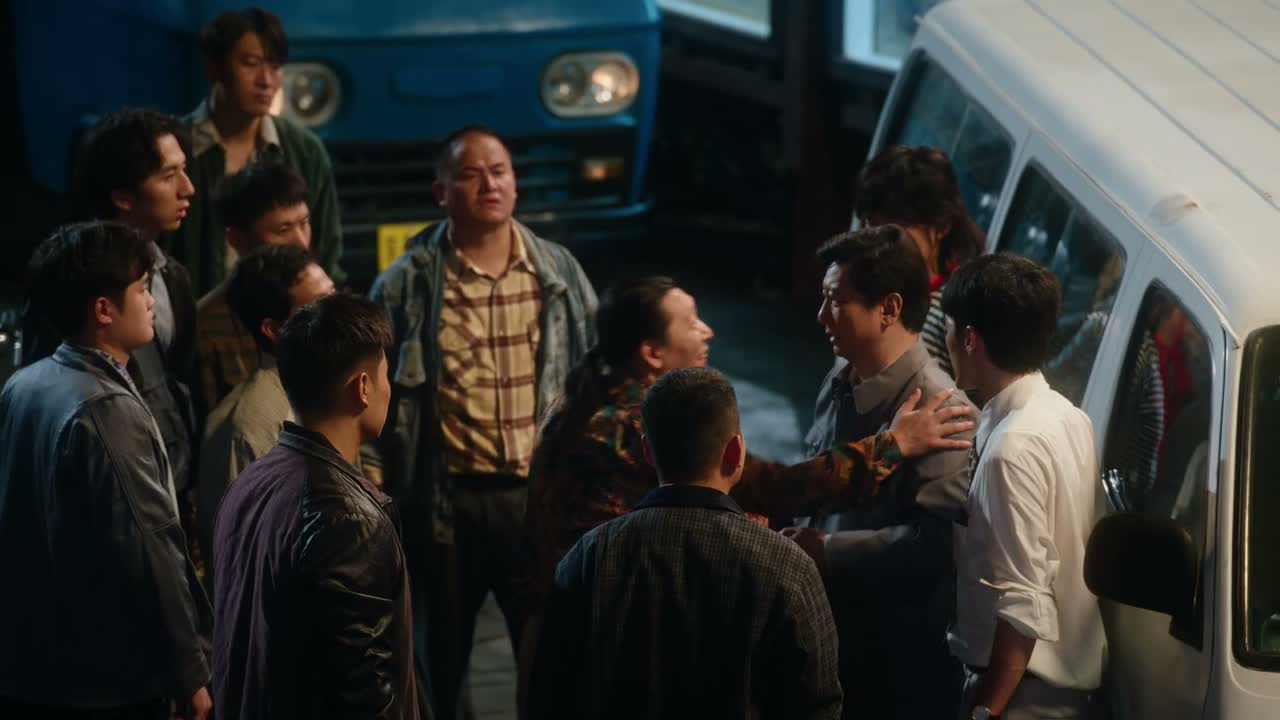
“You can go wherever you want.”

“Where to? Haven't decided yet.”

“Where is she going this late? Do you even have to ask?”

“Where are you going? I'm gonna go too.”

“What can you possibly do?”