MC
MandarinClips Cinema Corpus
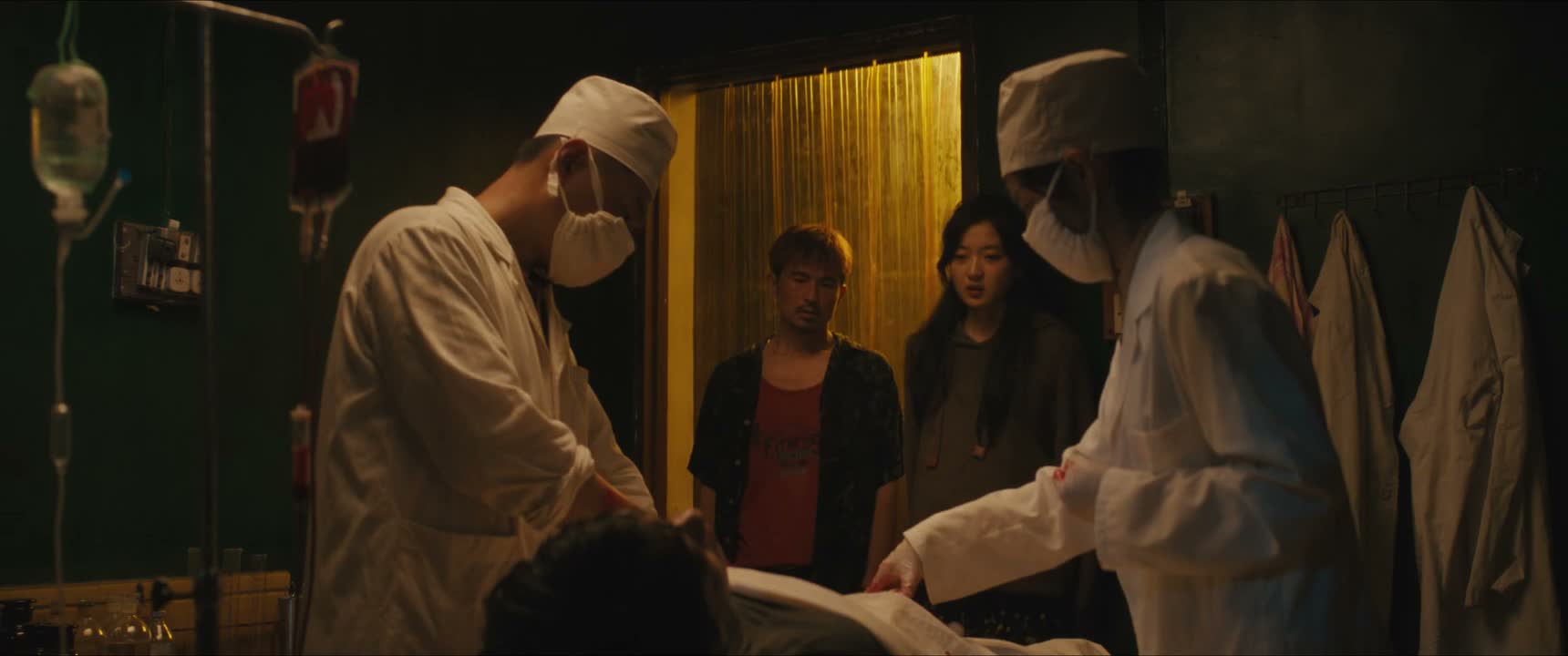
《Born to Be Alive》 S1·E38 (00:34) HSK 5
zhè shì zěn me le zhuā jǐn qù yī yuàn tā shī xuè guò duō

这是怎么了 抓紧去医院 他失血过多

“What happened? Get to the hospital, fast. He's lost too much blood.”

《Born to Be Alive》 S1·E38
TIMECODE: 00:34 · 1080P MASTER AUDIO

THE DIALOGUE REEL

1+1+1 SPOKEN CONTINUITY
[-1] PREVIOUS TURN zhè shì zěn me le

这是怎么了

“What happened?”

zhè shì zěn me le zhuā jǐn qù yī yuàn tā shī xuè guò duō CURRENT FOCUS

这是怎么了 抓紧去医院 他 失血过多

“What happened? Get to the hospital, fast. He's lost too much blood.”

[+1] FOLLOW-UP TURN chēng bú dào shěng chéng le

撑不到省城了

“He won't make it to the provincial capital.”

Subtitles synced to millisecond timecode Browse Show Clips →
Scene: Crisis & Conflict
Function: URGING ACTION
Tone: URGENT
Emotion: ANXIETY
WHAT THEY REALLY MEAN (PRAGMATIC SUBTEXT)

Direct spoken expression in this communicative setting.

💡 Cultural Insight: Urgency and Direct Imperatives

In Chinese emergency situations, politeness markers are dropped in favor of clipped, direct verbs like '抓紧' to prioritize speed and life safety.

INTENT TAGS: #emergency_response #urging_action #directing #crisis_management
🧩

LEARNING CHUNKS & PARTICLES

2 CHUNKS · 1 PARTICLES
抓紧 SPOKEN CHUNK

hurry up; seize time without delay

A common oral imperative used when time is critically short to demand prompt action.

失血过多 SPOKEN CHUNK

excessive blood loss

A standard medical or descriptive compound used in emergency contexts.

Modal Particle「了」 (le) CHANGE OF STATE

Marks a new, unexpected state of affairs requiring immediate inquiry.
🏮

VOCABULARY & EXPRESSIONS

3 EXPR · 0 GRAMMAR
CROSS-CINEMA CORPUS BOARD · PARALLEL SCENES

Parallel Spoken Cinema Scenes (语义近邻切片)

EXPLORE BY SEMANTIC SIMILARITY
《Born to Be Alive》 S1·E38 (00:34) · Authentic Cinema Dialogue Corpus