《No Pain No Gain》 S1·E25 (24:14)
HSK 1
wǒ wǒ duì nǐ shuō huà tài dà shēng le guāng jiàn
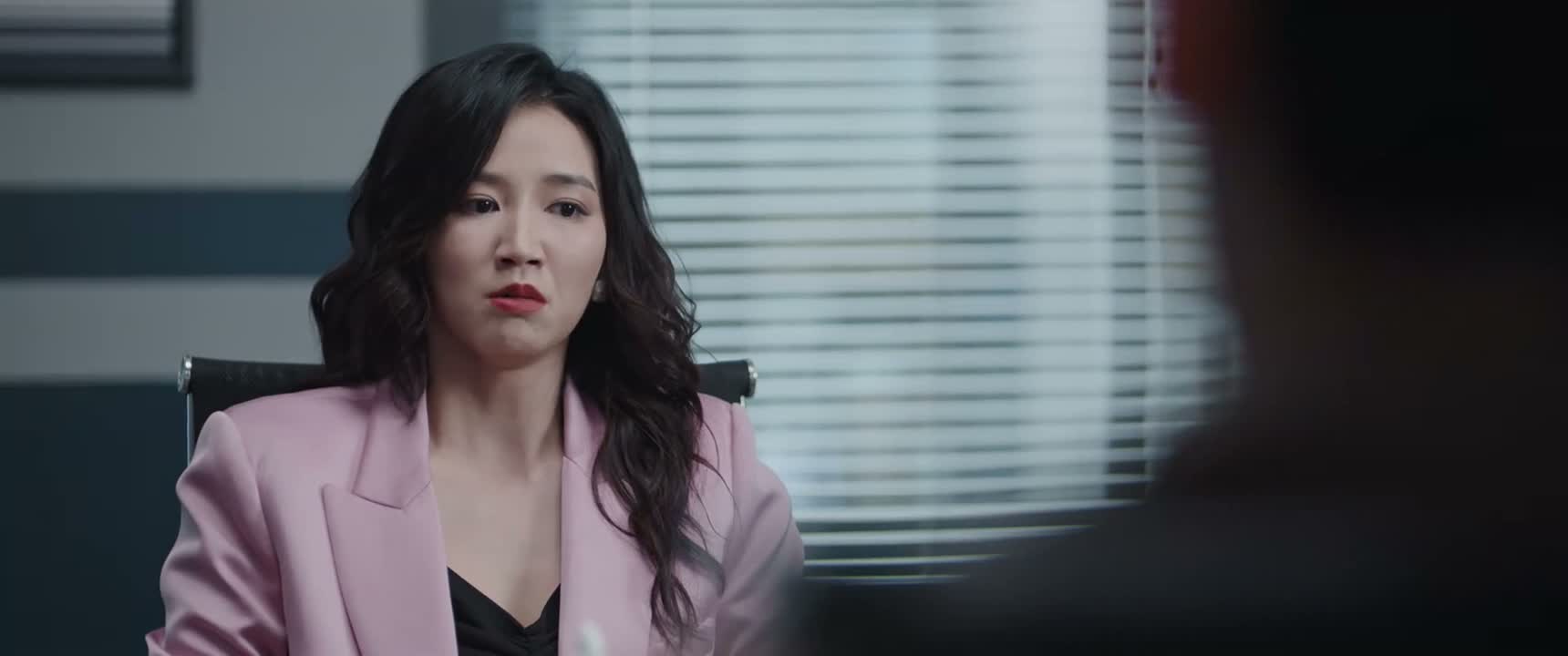
我 我对你说话太大声了 光建
“I spoke too harshly back then. Guangjian.”
《No Pain No Gain》
S1·E25
TIMECODE: 24:14
·
1080P MASTER AUDIO
THE DIALOGUE REEL
[-1] PREVIOUS TURN
duì bù qǐ a
对不起啊
“I am sorry.”
wǒ wǒ duì nǐ shuō huà tài dà shēng le guāng jiàn
CURRENT FOCUS
我 我 对你说 话 太大 声 了 光建
“I spoke too harshly back then. Guangjian.”
[+1] FOLLOW-UP TURN
wǒ yě bìng bú shì xiǎng yǐ cǐ wèi yāo xié
“I am not calling to use that against you,”
Subtitles synced to millisecond timecode
Browse Show Clips →
Scene:
Social & Dating
Function:
APOLOGIZING
Tone:
APOLOGETIC
Emotion:
GUILT
WHAT THEY REALLY MEAN (PRAGMATIC SUBTEXT)
Direct spoken expression in this communicative setting.
💡 Cultural Insight: Emotional De-escalation
In close interpersonal relationships, admitting that one lost control of vocal volume is a classic way to soften an argument without necessarily conceding the factual point.
INTENT TAGS:
#apologizing
#de-escalation
#softening
#regret
🧩
1 CHUNKS · 1 PARTICLES
LEARNING CHUNKS & PARTICLES
对你说话太大声了
SPOKEN CHUNK
spoke too loudly to you / raised my voice at you
A natural spoken phrase used when apologizing for losing one's temper or raising one's voice in an argument.
Modal Particle「了」 (le)
CHANGE OF STATE
Indicates a completed action and real state change, acknowledging the speaker's past wrongdoing.
🏮
2 EXPR · 1 GRAMMAR
VOCABULARY & EXPRESSIONS
COLLOQUIAL EXPRESSIONS:
GRAMMAR BLUEPRINTS:
CROSS-CINEMA CORPUS BOARD · PARALLEL SCENES
EXPLORE BY SEMANTIC SIMILARITY
Parallel Spoken Cinema Scenes (语义近邻切片)
《No Pain No Gain》 S1·E25 (24:14) · Authentic Cinema Dialogue Corpus