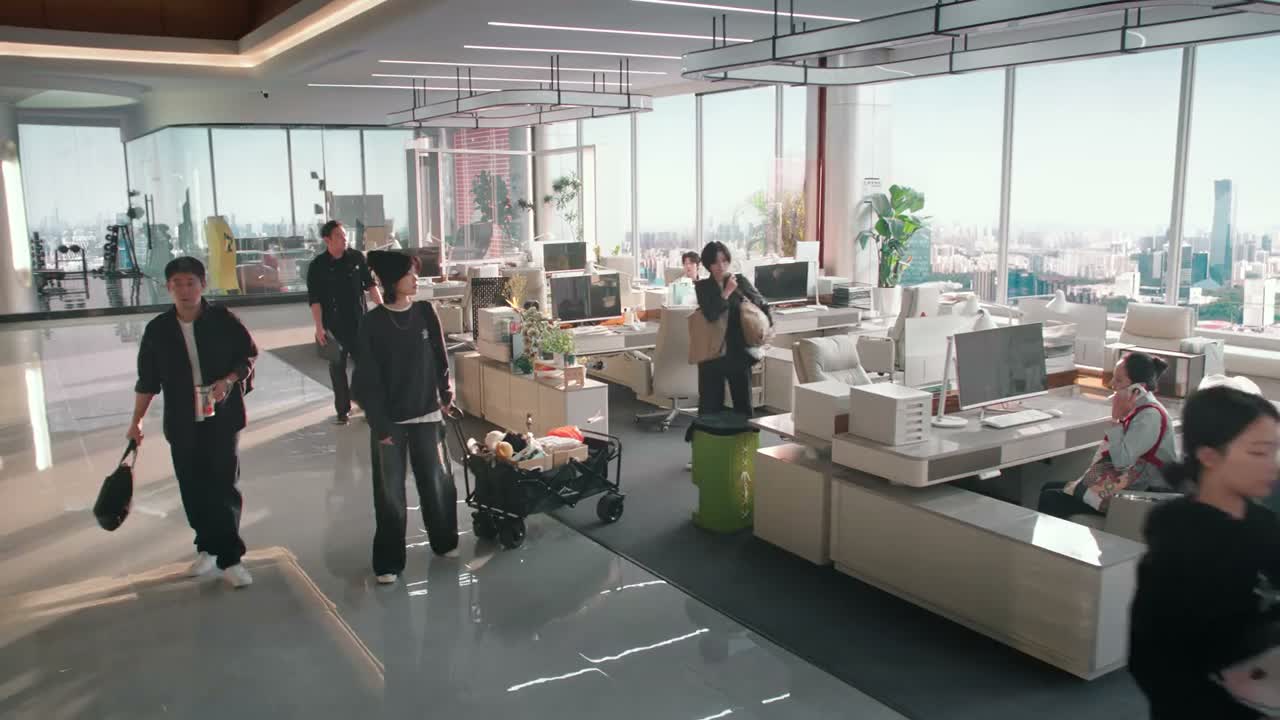
咱们家大宝都那么大了 还要妈妈接啊
“Your eldest is already so grown. Still needs mom to pick them up?”
THE DIALOGUE REEL
我要去学校接孩子
“I need to pick up my child from school.”
咱们家大宝 都那么大了 还要 妈妈接啊
“Your eldest is already so grown. Still needs mom to pick them up?”
妈妈工作不辛苦啊 那倒不辛苦 在马总这
“Isn't your job tiring? Not tiring at all. Working for Mr. Ma,”
“Your kid is old enough to get home himself; you don't need to baby him so much.”
Chinese parents frequently go out of their way to pick up school-aged children regardless of age, which peers often comment on as a mix of intense familial devotion and overprotection.
LEARNING CHUNKS & PARTICLES
our family / our kid
Used colloquially among close colleagues or relatives to establish warmth and an inclusive, friendly rapport.
eldest child (colloquial affectionate term)
Widely used in modern Chinese domestic contexts to refer to the first-born child in contrast to 'Erbao' (second child).
Softens the rhetorical question and gives it a warm, teasing, and conversational tone.
VOCABULARY & EXPRESSIONS
Parallel Spoken Cinema Scenes (语义近邻切片)

“My mom is here to pick me up.”
“Son. From now on, Mom can pick you up every day.”

“I will come back to get you after finding your siblings.”

“and the older one will stay with the mother. It is not a perfect outcome,”

“I can raise you by myself,”

“It's almost time. Go pick up our daughter. Hurry up.”