吃饭没有 我所里吃过了
“Have you eaten? I ate in the police station.”
THE DIALOGUE REEL
没你事
“It's none of your business.”
吃饭没有 我所里 吃过了
“Have you eaten? I ate in the police station.”
你吃过了吗 我吃过了 吃过还不赶紧备菜去
“Have you? Yes. If you have, do you need to prepare the dishes?”
Direct spoken expression in this communicative setting.
Asking whether someone has eaten is a standard, caring formulaic greeting in Chinese culture rather than literal probing.
LEARNING CHUNKS & PARTICLES
have you eaten yet?
A classic everyday greeting in Chinese, often used like 'how are you' rather than an actual dining invitation.
already ate
Standard response to indicate one has already completed a meal.
Marks the completion of an action, indicating having already eaten.
VOCABULARY & EXPRESSIONS
Parallel Spoken Cinema Scenes (语义近邻切片)

“Do I look like I'm starving?”

“Have you eaten? I'm not hungry.”
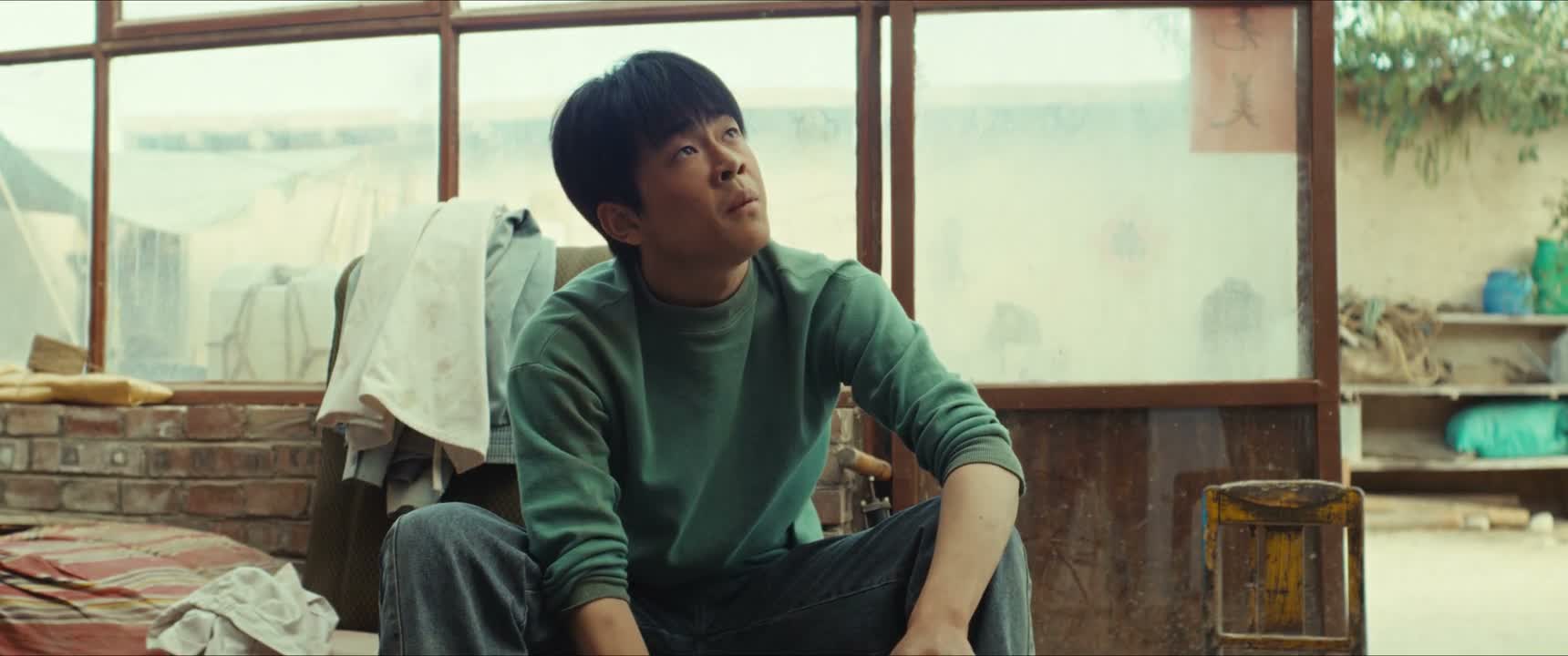
“have you eaten? Not yet.”

“♪ Silently, I watch the clouds drift in the sky ♪ that we haven't even had a bite to eat. You're certainly enthusiastic. But aren't you supposed to be taking care of your own shop?”

“I won't have breakfast. I have to get prepared now.”

“Let's go. I'm not cooking lunch. We're eating out.”