MC
MandarinClips Cinema Corpus
《A Splendid Match》 S1·E17 (09:25) HSK 1
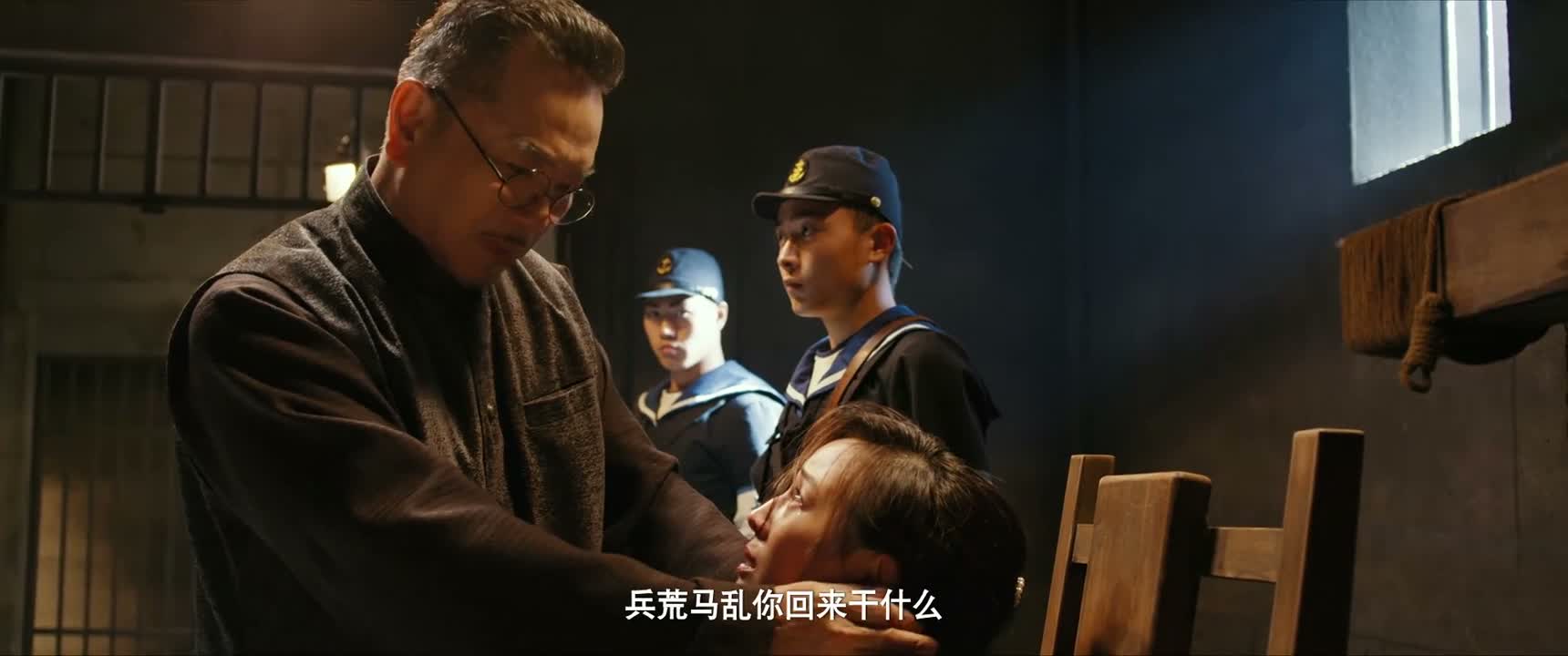
zhè bīng huāng mǎ luàn de nǐ zěn me lái le

这兵荒马乱的 你怎么来了

“In such chaotic times, why are you here?”

《A Splendid Match》 S1·E17
TIMECODE: 09:25 · 1080P MASTER AUDIO

THE DIALOGUE REEL

1+1+1 SPOKEN CONTINUITY
[-1] PREVIOUS TURN dà gū niáng

大姑娘

“Eldest Miss.”

zhè bīng huāng mǎ luàn de nǐ zěn me lái le CURRENT FOCUS

这 兵荒马乱 的 你怎么来了

“In such chaotic times, why are you here?”

[+1] FOLLOW-UP TURN zěn me hái yǒu nǐ huí dà gū niáng hóu yé qù le jūn yíng

怎么还有你 回大姑娘 侯爷去了军营

“And you too? Eldest Miss, the Marquis went to the military camp.”

Subtitles synced to millisecond timecode Browse Show Clips →
Scene: Historical & Court
Function: EXPRESSING CONCERN
Tone: CONCERNED
Emotion: ANXIETY
WHAT THEY REALLY MEAN (PRAGMATIC SUBTEXT)
“It is far too dangerous here; you shouldn't have come!”
💡 Cultural Insight: Familial Duty in Turmoil

In historical Chinese narratives, traveling through active war zones highlights profound devotion, loyalty, or urgent family responsibility despite mortal danger.

INTENT TAGS: #expressing_worry #reproaching_gently #surprise #questioning
🧩

LEARNING CHUNKS & PARTICLES

2 CHUNKS · 1 PARTICLES
兵荒马乱 SPOKEN CHUNK

turmoil of war; chaotic times of conflict

A common four-character idiom (chengyu) used to describe dangerous, unsettled situations caused by war.

你怎么来了 SPOKEN CHUNK

why/how did you come here?

A natural spoken phrase used when someone's arrival is completely unexpected or ill-advised.

Modal Particle「的」 (de) CHANGE OF STATE

Functions as a nominalizer marking the situational backdrop of wartime chaos.
🏮

VOCABULARY & EXPRESSIONS

2 EXPR · 0 GRAMMAR
CROSS-CINEMA CORPUS BOARD · PARALLEL SCENES

Parallel Spoken Cinema Scenes (语义近邻切片)

EXPLORE BY SEMANTIC SIMILARITY
《A Splendid Match》 S1·E17 (09:25) · Authentic Cinema Dialogue Corpus