MC
MandarinClips Cinema Corpus
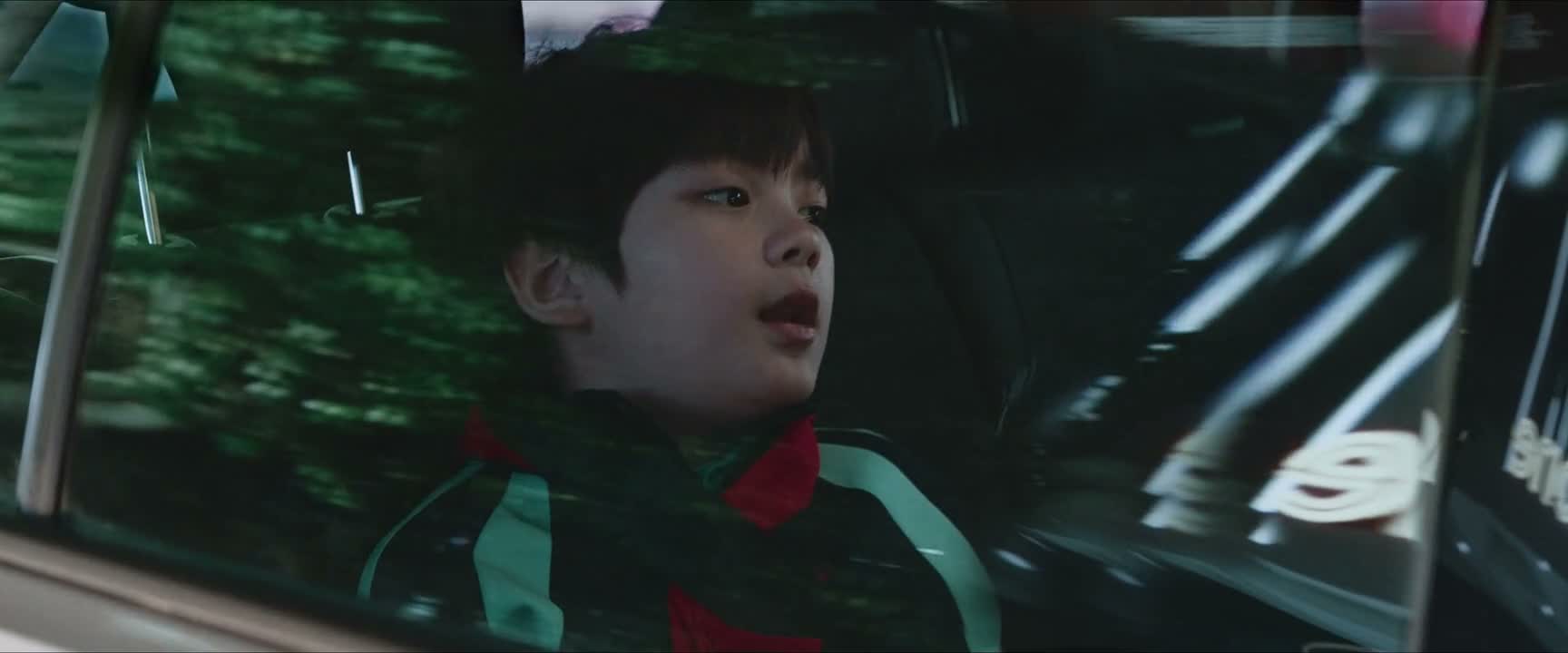
《The Knockout》 S1·E33 (02:10) HSK 7
bú shì nǐ men liǎng kǒu zi qǐng wǒ lái de ma

不是你们两口子 请我来的吗

“Didn't you two invite me to dinner?”

《The Knockout》 S1·E33
TIMECODE: 02:10 · 1080P MASTER AUDIO

THE DIALOGUE REEL

1+1+1 SPOKEN CONTINUITY
[-1] PREVIOUS TURN zěn me jiù fēi děi jīn tiān wǎn shàng lái wǒ zhè ér chī zhè dùn fàn ne

“Why did you want to have dinner at my place tonight?”

bú shì nǐ men liǎng kǒu zi qǐng wǒ lái de ma CURRENT FOCUS

不是 你们 两口子 请我来的 吗

“Didn't you two invite me to dinner?”

[+1] FOLLOW-UP TURN shuō mèng shū xiǎng wǒ le ya

说孟叔想我了呀

“You said Uncle Meng missed me.”

Subtitles synced to millisecond timecode Browse Show Clips →
Scene: Dining & Food
Function: COUNTERING ACCUSATION
Tone: TEASING
Emotion: AMUSEMENT
WHAT THEY REALLY MEAN (PRAGMATIC SUBTEXT)
“Why act surprised or annoyed when you are the ones who begged me to come?”
💡 Cultural Insight: Casual Banter Among Intimates (Qingfen)

Between close family friends or trusted juniors and elders, feigning annoyance over dinner arrangements is a common form of playful teasing that actually reaffirms intimacy.

INTENT TAGS: #teasing #justification #banter #refutation
🧩

LEARNING CHUNKS & PARTICLES

2 CHUNKS · 1 PARTICLES
两口子 SPOKEN CHUNK

husband and wife / married couple

A warm, colloquial term referring to a married couple, common in informal northern Chinese spoken registers.

不是……吗 SPOKEN CHUNK

isn't it the case that...

A common rhetorical question structure used to remind the listener of an obvious fact or challenge an assumption.

Modal Particle「吗」 (ma) CHANGE OF STATE

Marks a rhetorical question that expects strong agreement, challenging the interlocutor's previous premise.
🏮

VOCABULARY & EXPRESSIONS

3 EXPR · 1 GRAMMAR
CROSS-CINEMA CORPUS BOARD · PARALLEL SCENES

Parallel Spoken Cinema Scenes (语义近邻切片)

EXPLORE BY SEMANTIC SIMILARITY
《The Knockout》 S1·E33 (02:10) · Authentic Cinema Dialogue Corpus