你不是洗手不干了吗
“Didn't you quit?”
THE DIALOGUE REEL
“every month. How can I remember each of them?”
你 不是 洗手不干了 吗
“Didn't you quit?”
我错了 陆警官 你再给我一次机会 自己铐上吧
“I was wrong, Officer Lu. Please give me another chance. Handcuff yourself.”
“You promised to go straight, yet here you are committing crimes again.”
Rooted in martial arts and underworld folklore, 'washing one's hands of the underworld' implies a sacred vow of retirement, making a relapse a major breach of personal credibility.
LEARNING CHUNKS & PARTICLES
to wash one's hands of illegal activity / to go straight
A common idiom originally from underworld slang, widely used in modern Chinese to mean retiring from a profession or shady business.
didn't you already...
A rhetorical question pattern used to express doubt, surprise, or confrontation when actions contradict past statements.
Turns the statement into a rhetorical question to demand accountability.
VOCABULARY & EXPRESSIONS
Parallel Spoken Cinema Scenes (语义近邻切片)

“If you wipe them off like this,”

“Why didn't you wash it? It's so dirty.”
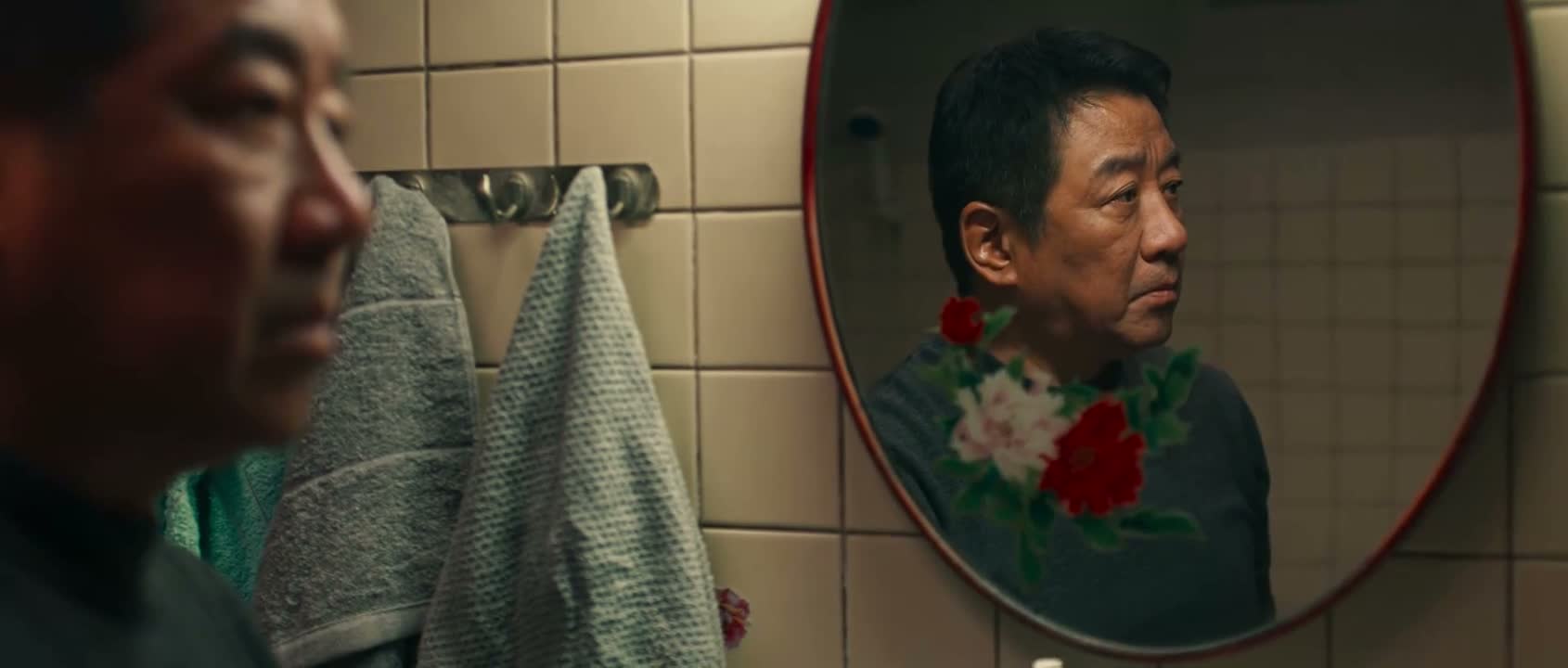
“Why are you two taking so long to wash your hands?”

“I cleaned the intestines thoroughly.”

“I've wiped it. It's clean.”

“Go wash your hands and eat.”