MC
MandarinClips Cinema Corpus
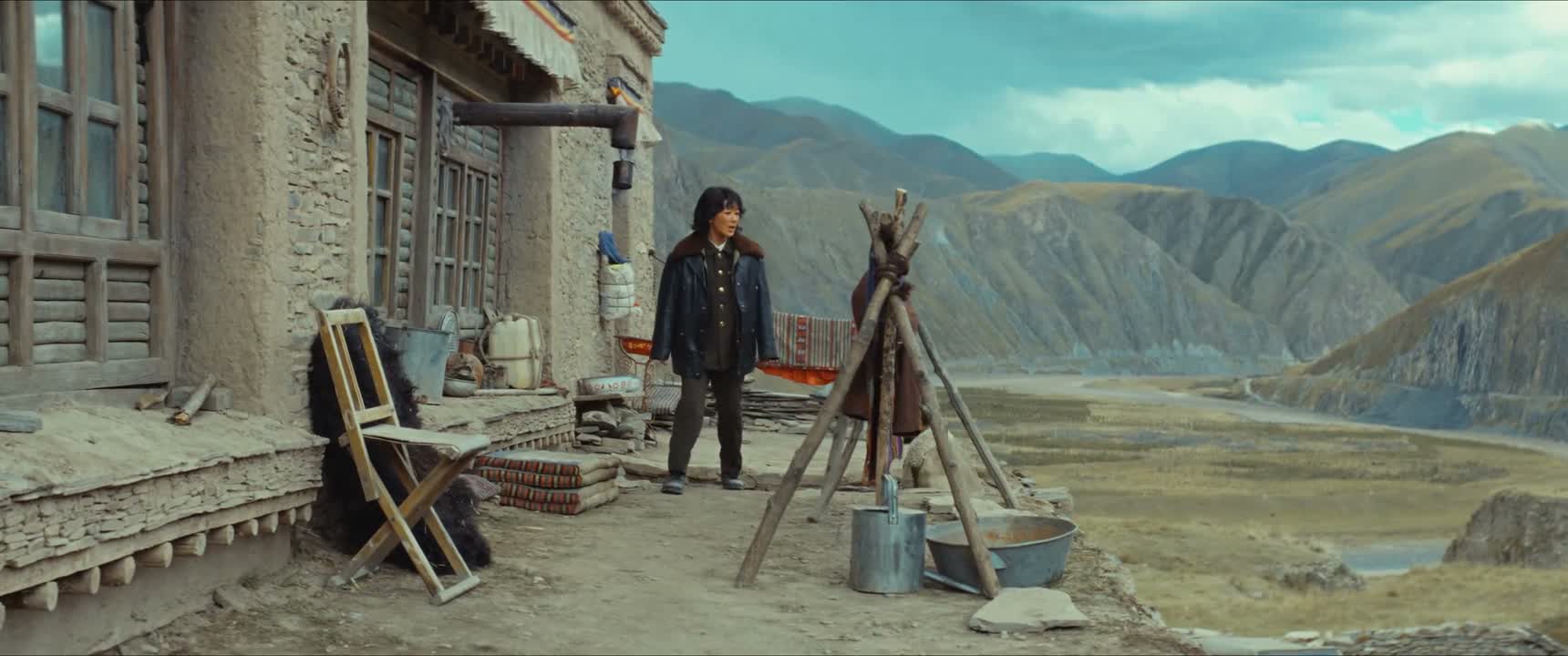
《Love Story in the 1970s》 S1·E5 (31:31) HSK 4
nǐ zěn me bù xǐ a zhè nòng zhè me zàng

你怎么不洗啊 这弄这么脏

“Why didn't you wash it? It's so dirty.”

《Love Story in the 1970s》 S1·E5
TIMECODE: 31:31 · 1080P MASTER AUDIO

THE DIALOGUE REEL

1+1+1 SPOKEN CONTINUITY
[-1] PREVIOUS TURN zhè zěn me nòng de ya wǒ bú shì jiào nǐ xǐ yī fú le ma

“What happened? Didn't I already teach you how to wash your clothes?”

nǐ zěn me bù xǐ a zhè nòng zhè me zàng CURRENT FOCUS

你怎么不 洗 啊 这弄这么脏

“Why didn't you wash it? It's so dirty.”

[+1] FOLLOW-UP TURN kòu zi diào le nǐ yě bù fèng nǐ ràng bié rén kàn jiàn le bǎ nǐ dāng liú máng

扣子掉了你也不缝 你让别人看见了 把你当流氓

“You didn't even sew back the button that had dropped. If other people see this, they might treat you as a thug.”

Subtitles synced to millisecond timecode Browse Show Clips →
Scene: Family & Home
Function: NAGGING COUNSEL
Tone: NAGGING
Emotion: FRUSTRATION
WHAT THEY REALLY MEAN (PRAGMATIC SUBTEXT)
“You are so helpless without me; take better care of your appearance.”
💡 Cultural Insight: Affection Through Nagging (Daozizui Doufuxin)

In Chinese domestic dynamics, overt verbal criticism regarding daily chores often serves as a primary vehicle for demonstrating maternal or familial care.

INTENT TAGS: #nagging #reproach #caring #exasperation
🧩

LEARNING CHUNKS & PARTICLES

2 CHUNKS · 1 PARTICLES
你怎么不 SPOKEN CHUNK

why don't you...

Common rhetorical frame used to express surprise, complaint, or mild reproach.

弄这么脏 SPOKEN CHUNK

make (something) so dirty; get so filthy

Used in daily speech to complain about untidiness or messes made by others.

Modal Particle「啊」 (a) CHANGE OF STATE

Softens the rhetorical question into an exasperated, colloquial reminder rather than an aggressive cross-examination.
🏮

VOCABULARY & EXPRESSIONS

1 EXPR · 1 GRAMMAR
COLLOQUIAL EXPRESSIONS:
GRAMMAR BLUEPRINTS:
CROSS-CINEMA CORPUS BOARD · PARALLEL SCENES

Parallel Spoken Cinema Scenes (语义近邻切片)

EXPLORE BY SEMANTIC SIMILARITY
《Love Story in the 1970s》 S1·E5 (31:31) · Authentic Cinema Dialogue Corpus