你这也叫下岗了
“Now that you're laid off,”
THE DIALOGUE REEL
这房子是厂子给你们留下来的吧
“The house was left by the factory, right?”
你 这也叫下岗了
“Now that you're laid off,”
“and Lin Hua doesn't work at the factory anymore.”
“You got to keep the house, so do not complain about being laid off like everyone else.”
In 1990s China, being laid off (xiagang) from the 'iron rice bowl' meant losing not just wages but institutional housing and welfare benefits, creating a shared generational trauma.
LEARNING CHUNKS & PARTICLES
can this even be called; you call this...
Used to express doubt, teasing, or mild sarcasm about whether a situation truly qualifies as what someone claims it is.
to be laid off (specifically from state-owned enterprises)
A historically loaded term referring to the massive restructuring and layoffs of state-owned enterprise workers in China during the 1990s.
Marks a change of state regarding the employment condition while reinforcing the rhetorical emphasis of the statement.
VOCABULARY & EXPRESSIONS
Parallel Spoken Cinema Scenes (语义近邻切片)

“How could a laid-off worker have that kind of money?”

“If you don't like it, go get a job.”
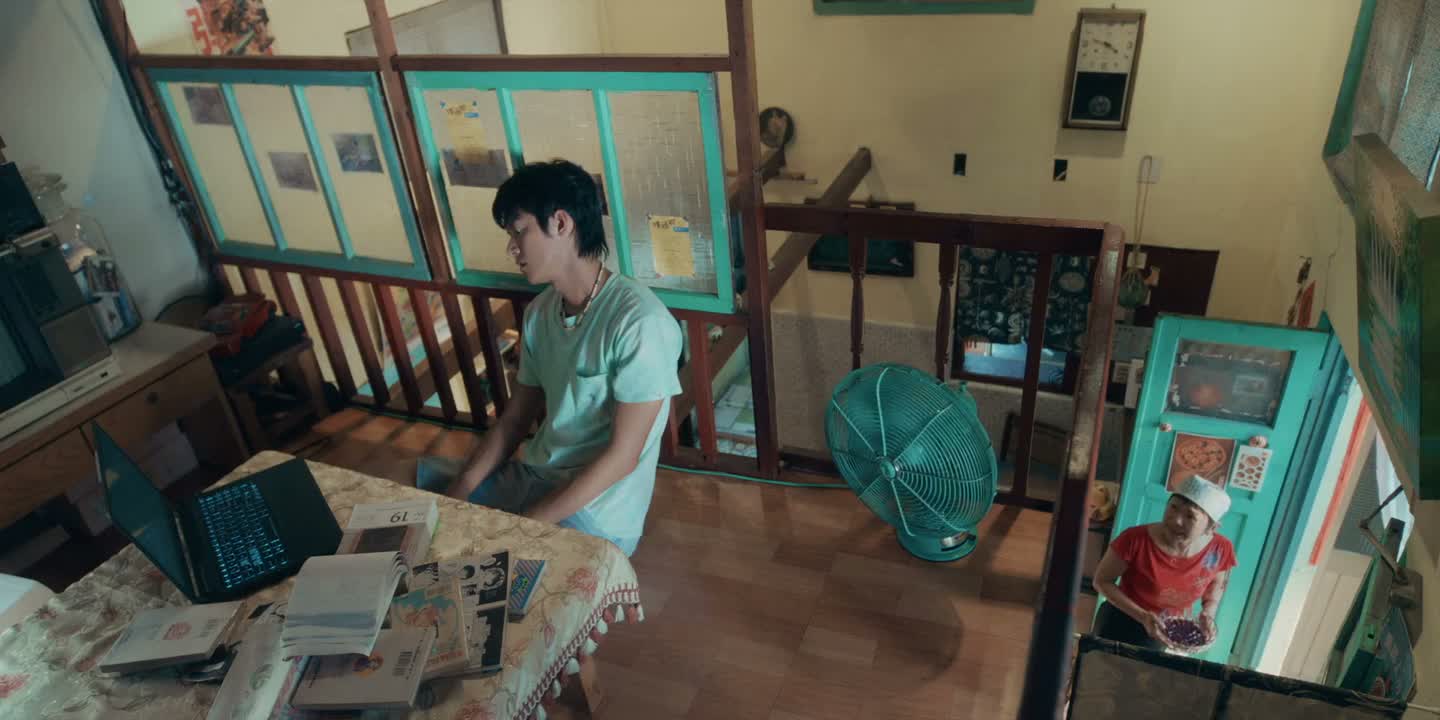
“Get down to work.”

“I'll make sure you never find a job. You're useless! You're a wretch!”

“I'm close to a deserter now. You don't need a shift”

“don't complain about not having a job.”