我怎么不能守灯塔呀
“Why can't I?”
THE DIALOGUE REEL
“Why would you go guard a lighthouse?”
我 怎么不能 守灯塔 呀
“Why can't I?”
“It's free food and housing. And I don't have to watch Old Lin throw a drunken fit.”
“Don't look down on this job; it's much better than staying here.”
Using a rhetorical question with '怎么不能' is a common spoken technique to immediately neutralize unsolicited skepticism about one's practical choices.
LEARNING CHUNKS & PARTICLES
why can't [I/it] / what's stopping [me/it]
A rhetorical phrase used to push back against doubt and assert capability or permission.
Softens the rhetorical counter-question while retaining an assertive, conversational tone.
VOCABULARY & EXPRESSIONS
Parallel Spoken Cinema Scenes (语义近邻切片)
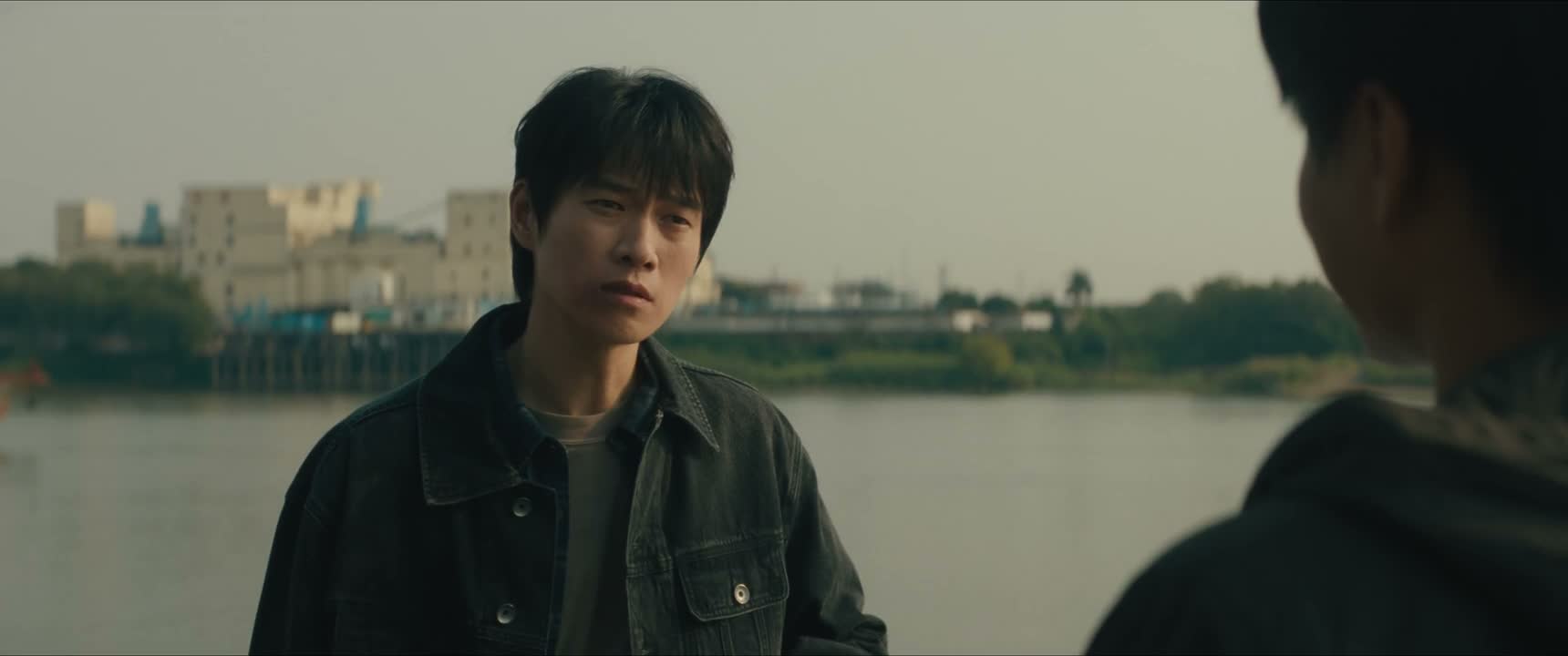
“Why would you go guard a lighthouse?”

“with the light on.”
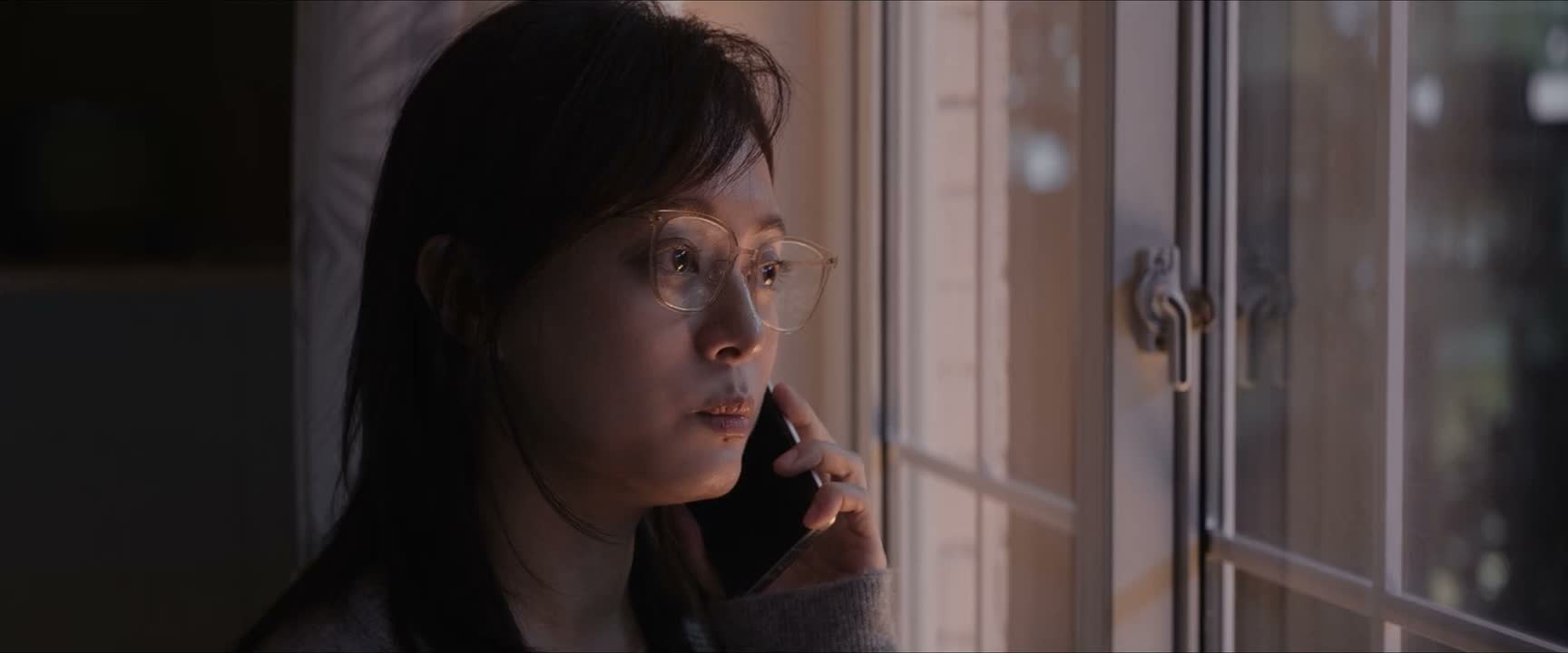
“or let go of the helm.”

“I won't allow you to keep playing with fire.”

“It's just a light.”

“I don't care who put it there. I just want to know if it was locked.”