我 我的孩子 是不是没了
“Is m-my child gone?”
THE DIALOGUE REEL
“Call an ambulance for me. Please call an ambulance for me. Someone call an ambulance for me.”
我 我的孩子 是不是没了
“Is m-my child gone?”
过去了
“It's in the past.”
Direct spoken expression in this communicative setting.
Chinese speakers frequently replace words directly meaning 'die' or 'miscarry' with gentle euphemisms like '没了' to soften catastrophic emotional impact.
LEARNING CHUNKS & PARTICLES
is it true that / whether or not
Placed before a sensitive predicate to seek verification of a dreaded truth.
gone / passed away / lost
A common Chinese euphemism used to avoid directly speaking the taboo word for death (死).
Indicates a tragic change of state and completion of an irreversible loss.
VOCABULARY & EXPRESSIONS
Parallel Spoken Cinema Scenes (语义近邻切片)
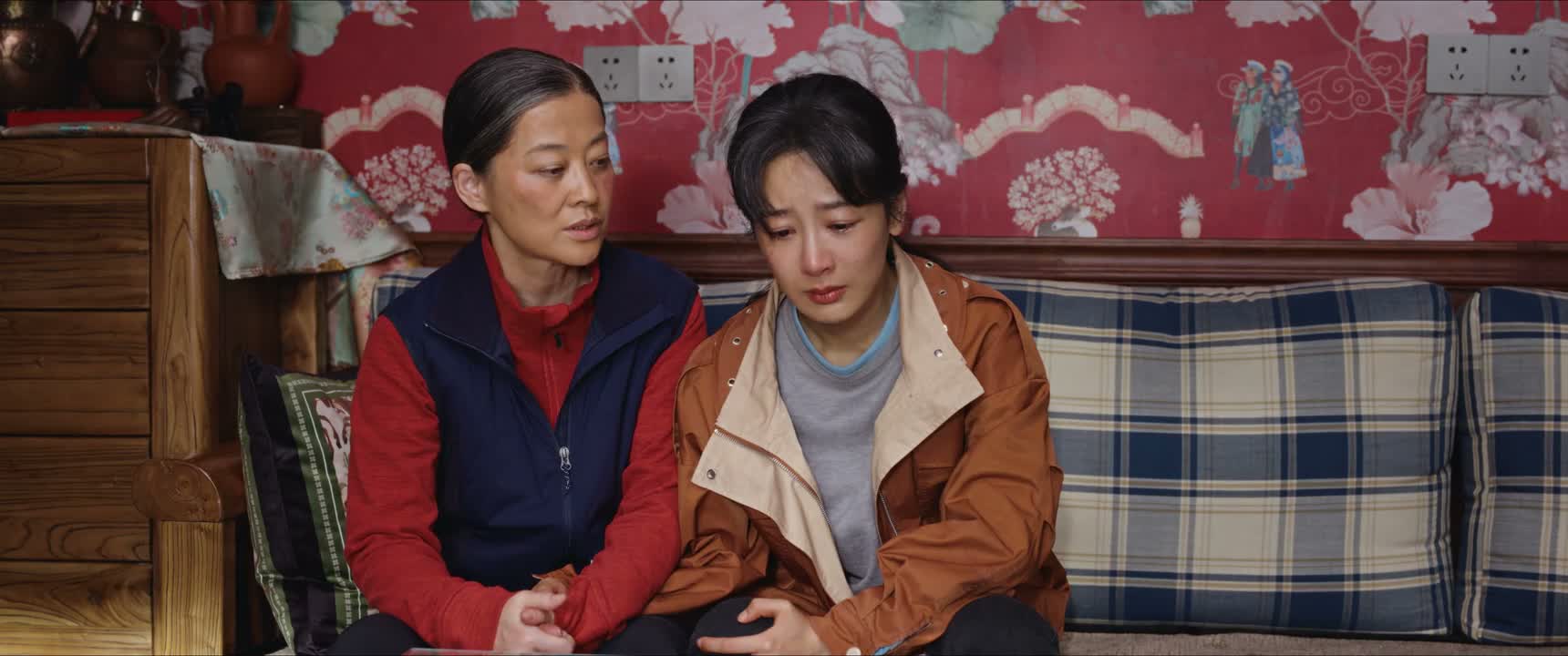
“you became my child.”

“Is this child... He's not my child. I don't know who his father is either.”

“as well as my child. All I want is him.”
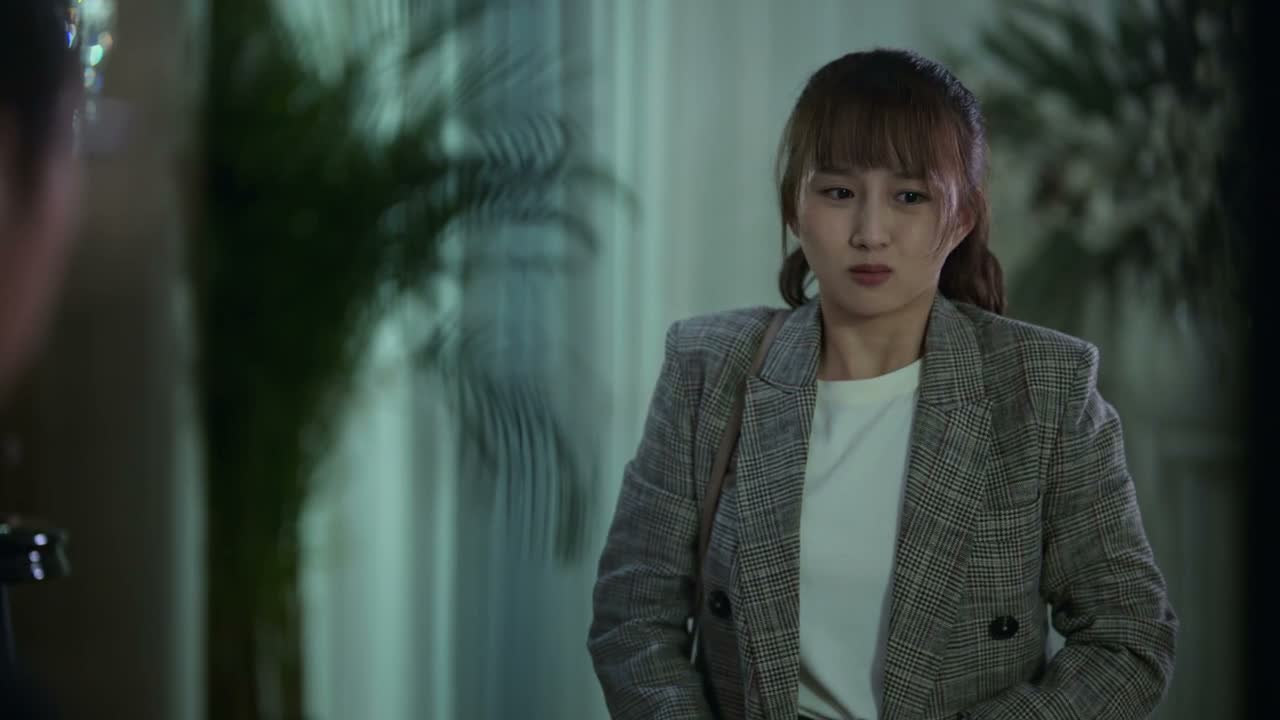
“Nothing.”
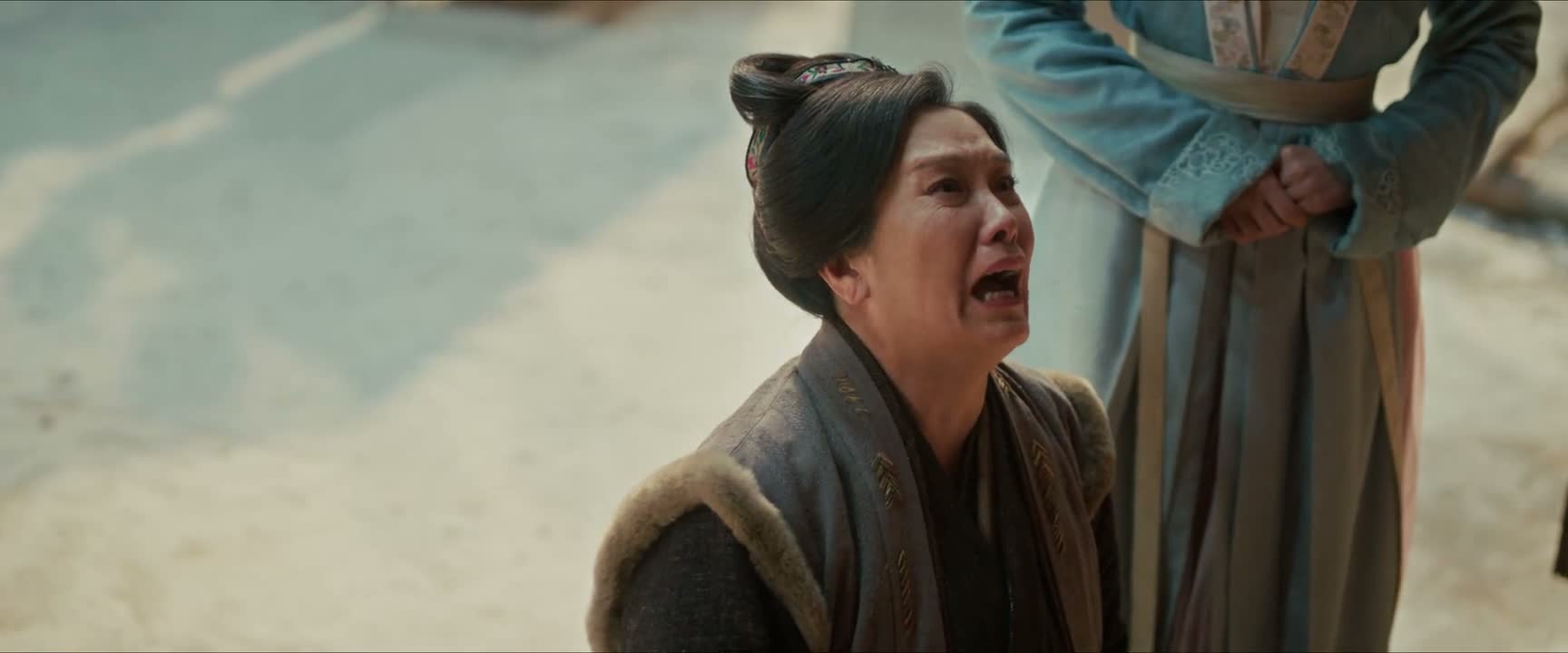
“if I lose this child too,”
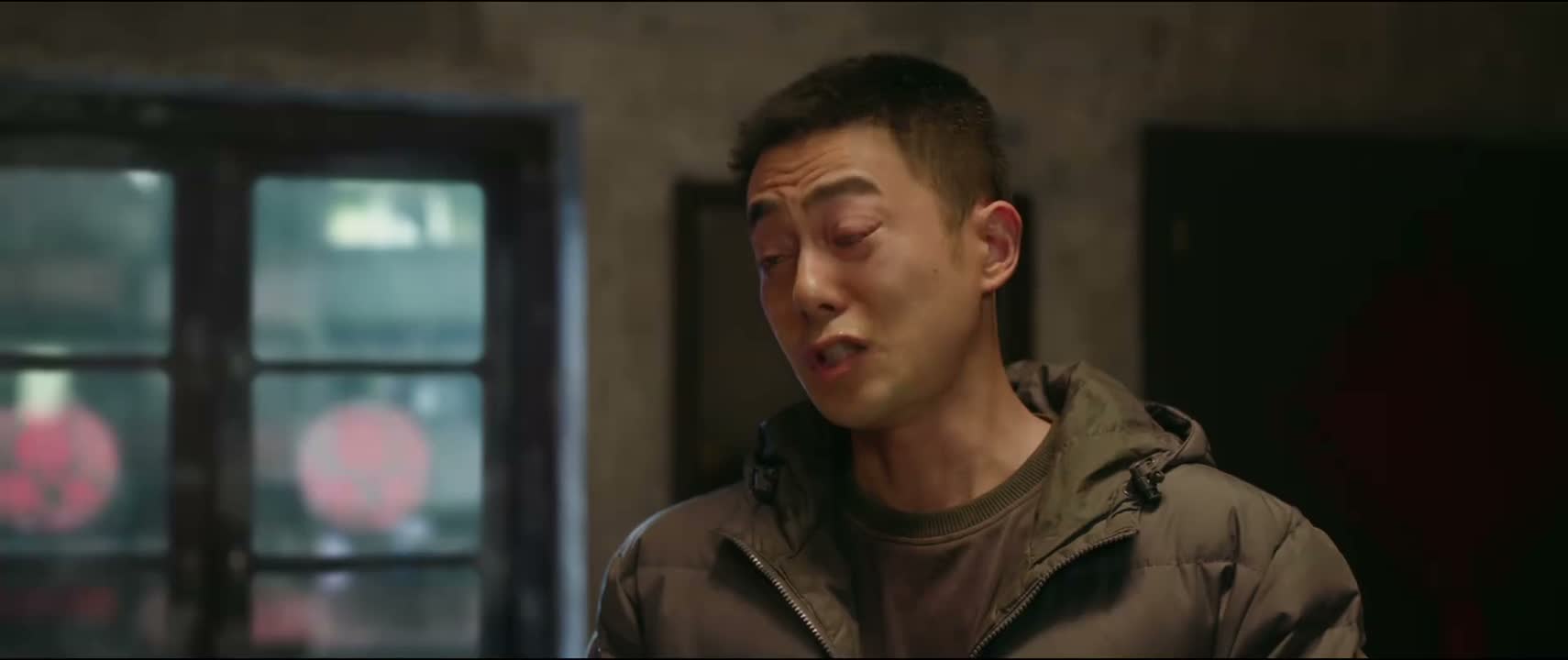
“Would you really leave me and our kid?”