那上坟不都得 大家一起吗
“shouldn't we all pay respects together?”
THE DIALOGUE REEL
那
“We...”
那上坟不 都得 大家 一起 吗
“shouldn't we all pay respects together?”
你看看孟副市长他们
“They didn't bring”
“Family members are supposed to honor ancestors as a united group; why are we doing this apart?”
Tomb-sweeping (上坟) in Chinese culture is a collective ritual meant to reaffirm family solidarity and filial piety; visiting separately can signal internal discord or broken family ties.
LEARNING CHUNKS & PARTICLES
to visit and sweep ancestral graves
The standard colloquial term for visiting graves to honor ancestors during Qingming or commemorative occasions.
aren't (we/they) supposed to; isn't it the rule that
A rhetorical phrasing used to appeal to universally understood norms or standard practices.
Forms a rhetorical question seeking affirmation of a shared cultural norm.
VOCABULARY & EXPRESSIONS
Parallel Spoken Cinema Scenes (语义近邻切片)

“when visiting a grave at midnight, you need a man,”
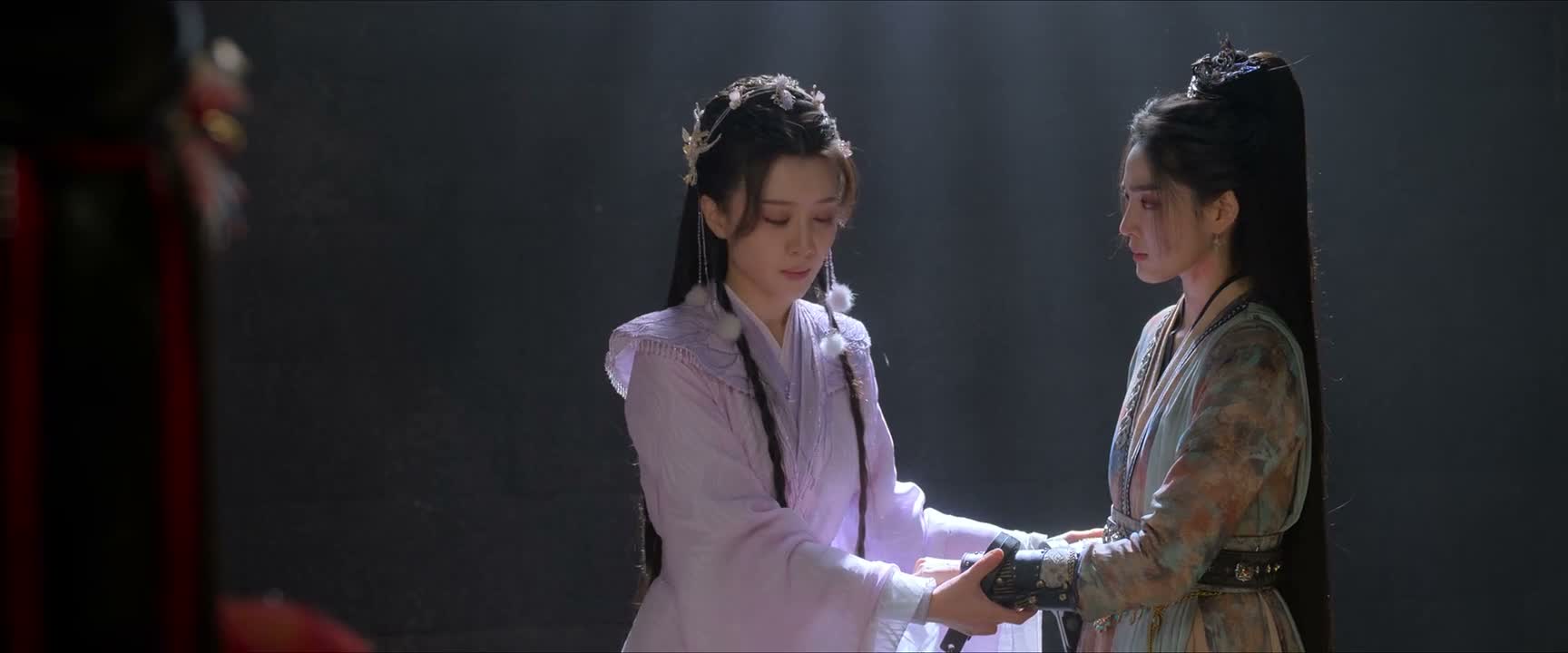
“When the living meet the dead, it's called visiting a grave.”
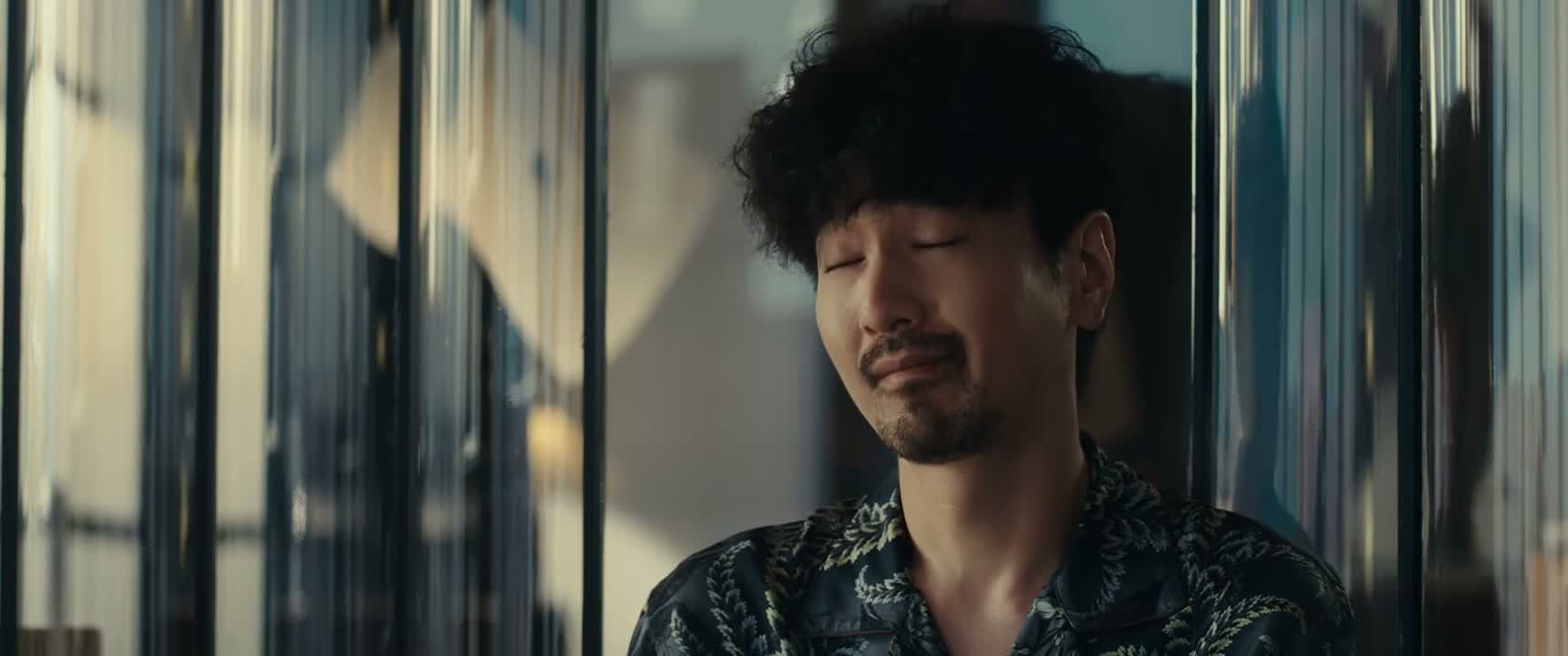
“Don't even put my photo on my grave.”
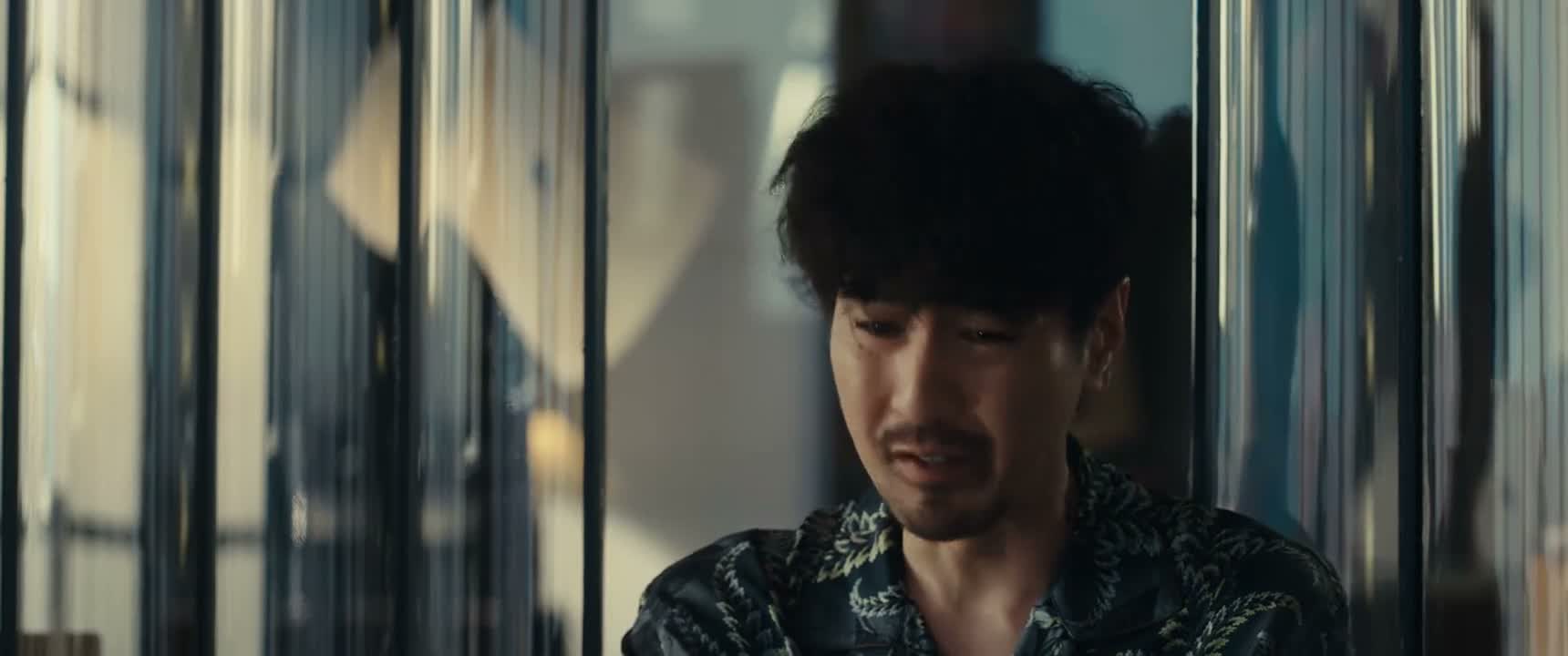
“You don't even need a grave, let alone a photo.”

“and now y-you want to move it?”
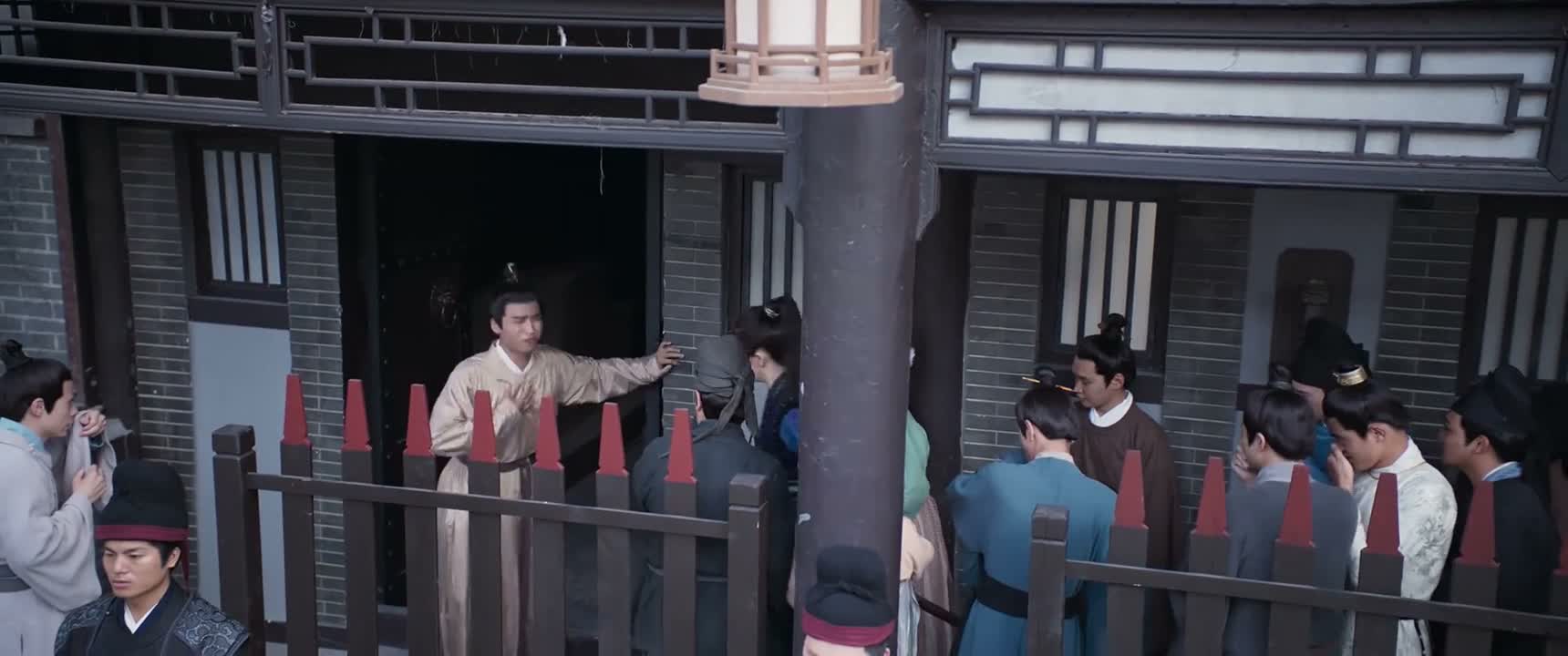
“must mean my ancestors are watching over me.”