被我父王收为义子带入宫中
“my father took me in as his adopted son and brought me into the palace.”
THE DIALOGUE REEL
我十岁那年
“When I was ten,”
被 我父王 收为义子 带入宫中
“my father took me in as his adopted son and brought me into the palace.”
“From that day on, I became a thorn in everyone's side.”
Direct spoken expression in this communicative setting.
In ancient Chinese court politics, adopting a capable youth as an '义子' was a common way for monarchs or generals to cultivate loyal retainers and alter succession dynamics.
LEARNING CHUNKS & PARTICLES
adopted as a godson/foster son
A formal, classical four-character phrase used widely in historical dramas when an elder takes someone as an adoptive son.
royal father / father the prince/king
An honorific kinship term strictly used in period and dynastic contexts to address or refer to one's royal father.
VOCABULARY & EXPRESSIONS
Parallel Spoken Cinema Scenes (语义近邻切片)

“My Father followed my mother in death,”
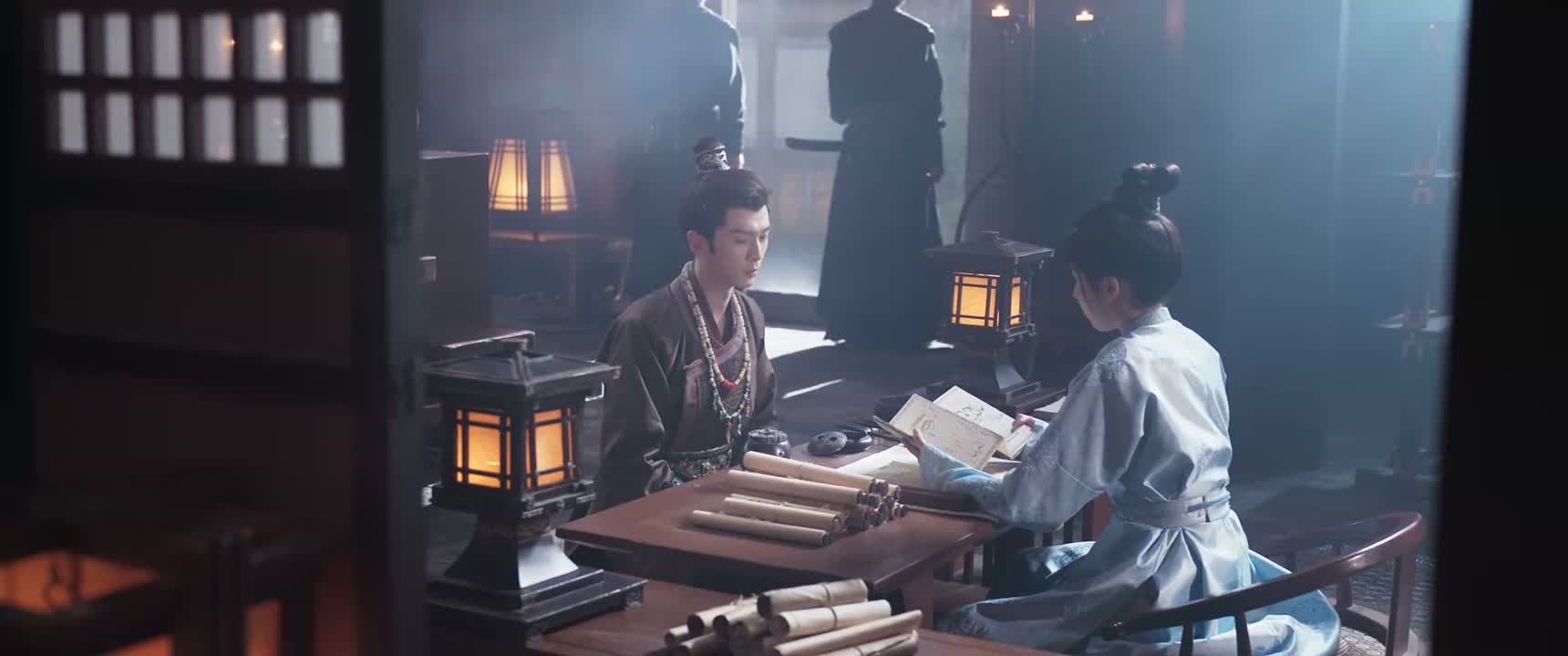
“When my father gave it to me,”
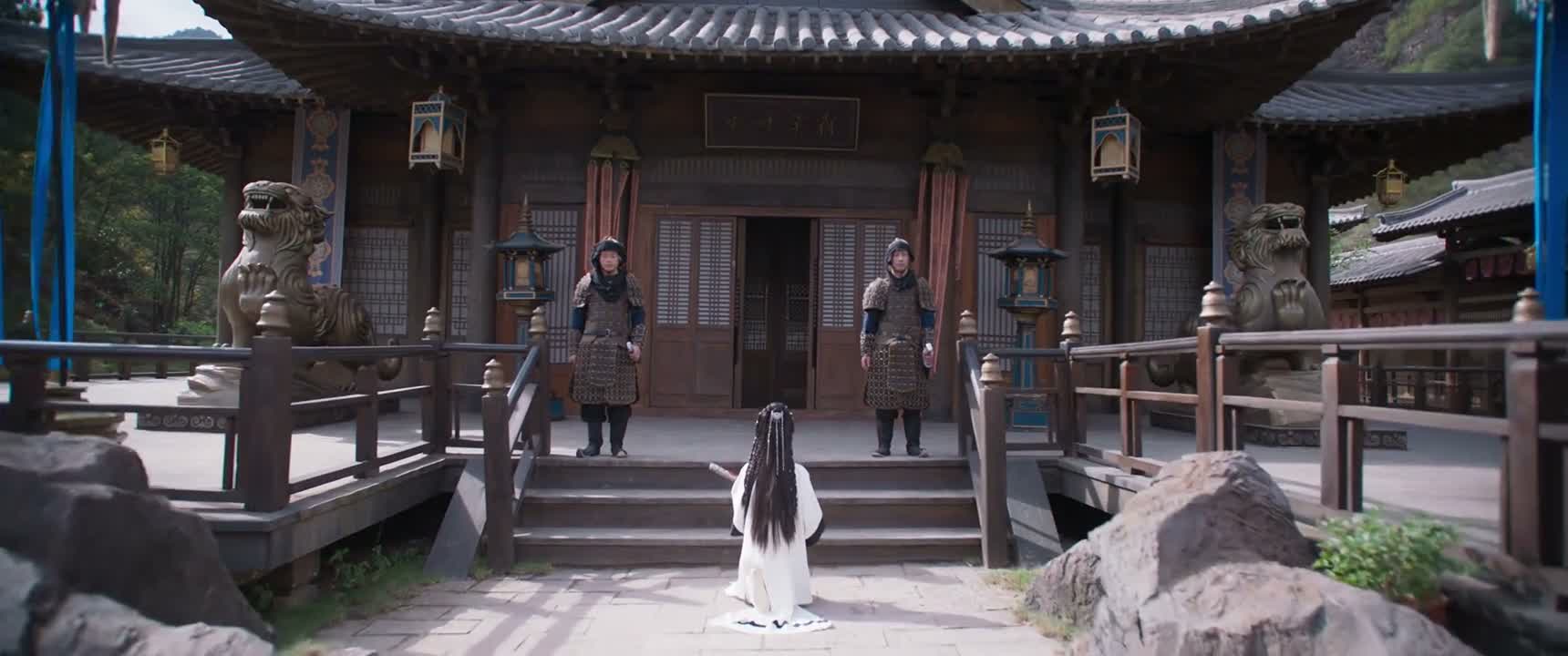
“Father, please uphold justice for my husband”

“because Father never got to see Mother one last time,”
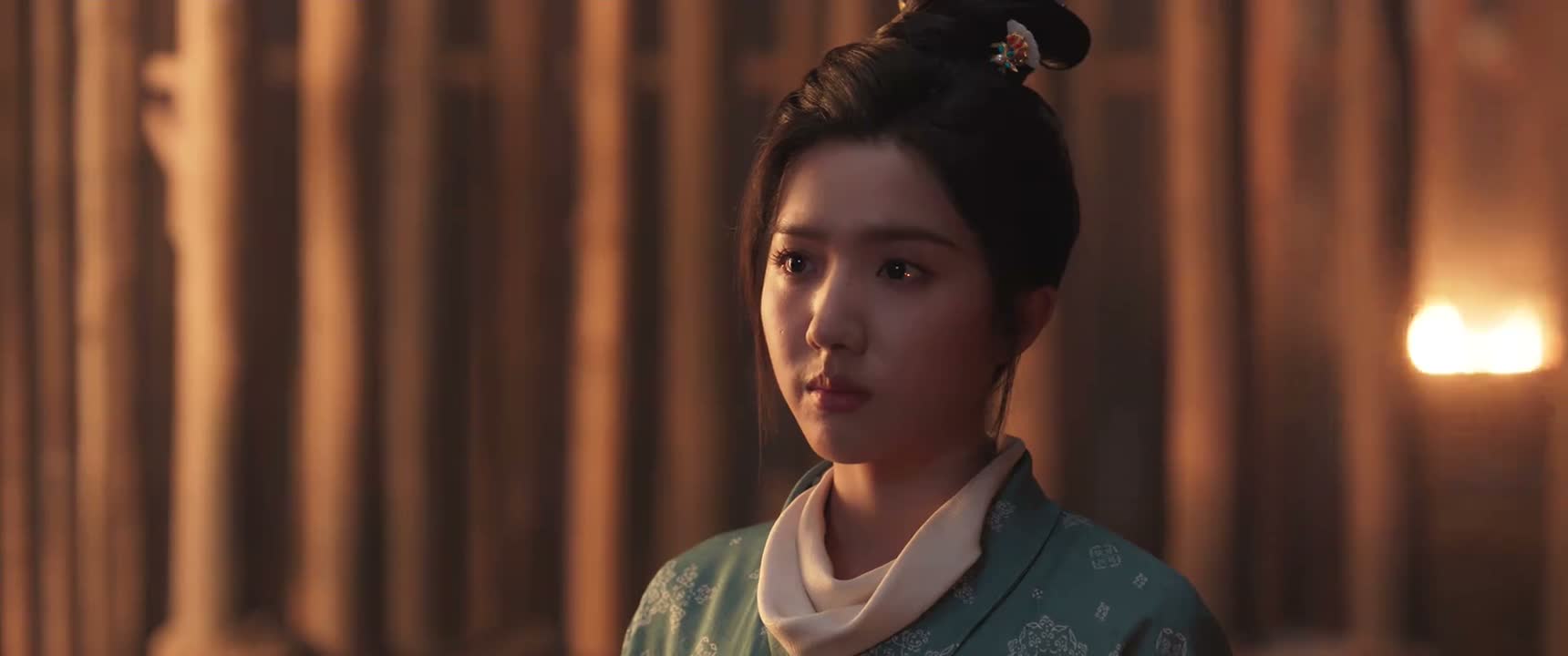
“I am the only heir left behind by Father.”

“Father and I have long been thorns in someone's side.”