汪若海 出来 晶晶 你喊什么呀 进去说
“Wang Ruohai, come out here! Jingjing, why are you yelling? Let's talk inside.”
THE DIALOGUE REEL
汪若海
“Wang Ruohai!”
汪若海 出来 晶晶 你 喊什么呀 进去说
“Wang Ruohai, come out here! Jingjing, why are you yelling? Let's talk inside.”
“Why are you acting so secretive?”
“Keep your voice down! Don't embarrass me in front of everyone.”
In Chinese culture, airing private grievances in public causes acute loss of face (丢脸), prompting the urge to resolve matters behind closed doors.
LEARNING CHUNKS & PARTICLES
let's go inside and talk
A common spoken phrase used to move a sensitive or heated discussion out of the public eye.
why are you shouting
Used to reproach someone for speaking too loudly or causing a disturbance in public.
Softens the rhetorical question while still expressing irritation and urgency.
VOCABULARY & EXPRESSIONS
Parallel Spoken Cinema Scenes (语义近邻切片)

“Wang Ruohai, you once said”
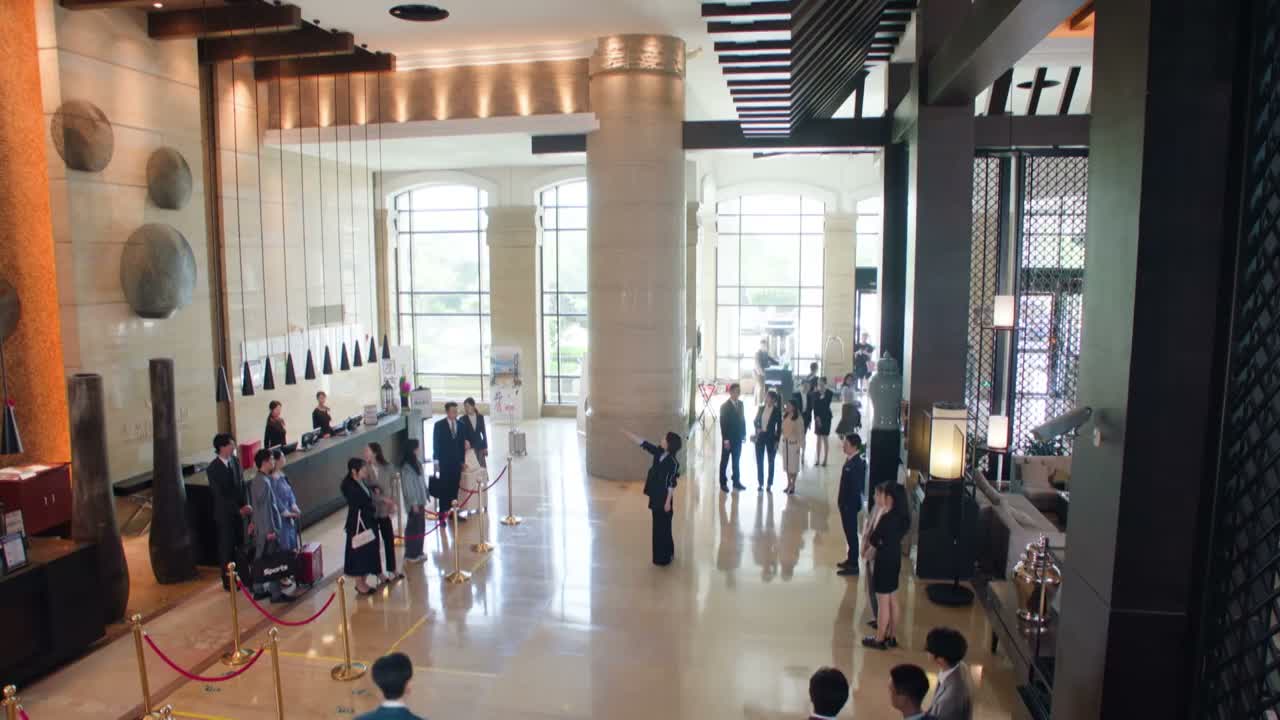
“Wang Ruohai, what kind of person is he anyway?”

“Does Wang Ruohai know you came back for him?”

“Wang Ruohai is no longer an employee of this bank. If you want to make a scene, do it outside.”

“What has Wang Ruohai ever done to deserve you spending this much on him?”

“Wang Ruohai can't get you kicked out of Shanlifang.”