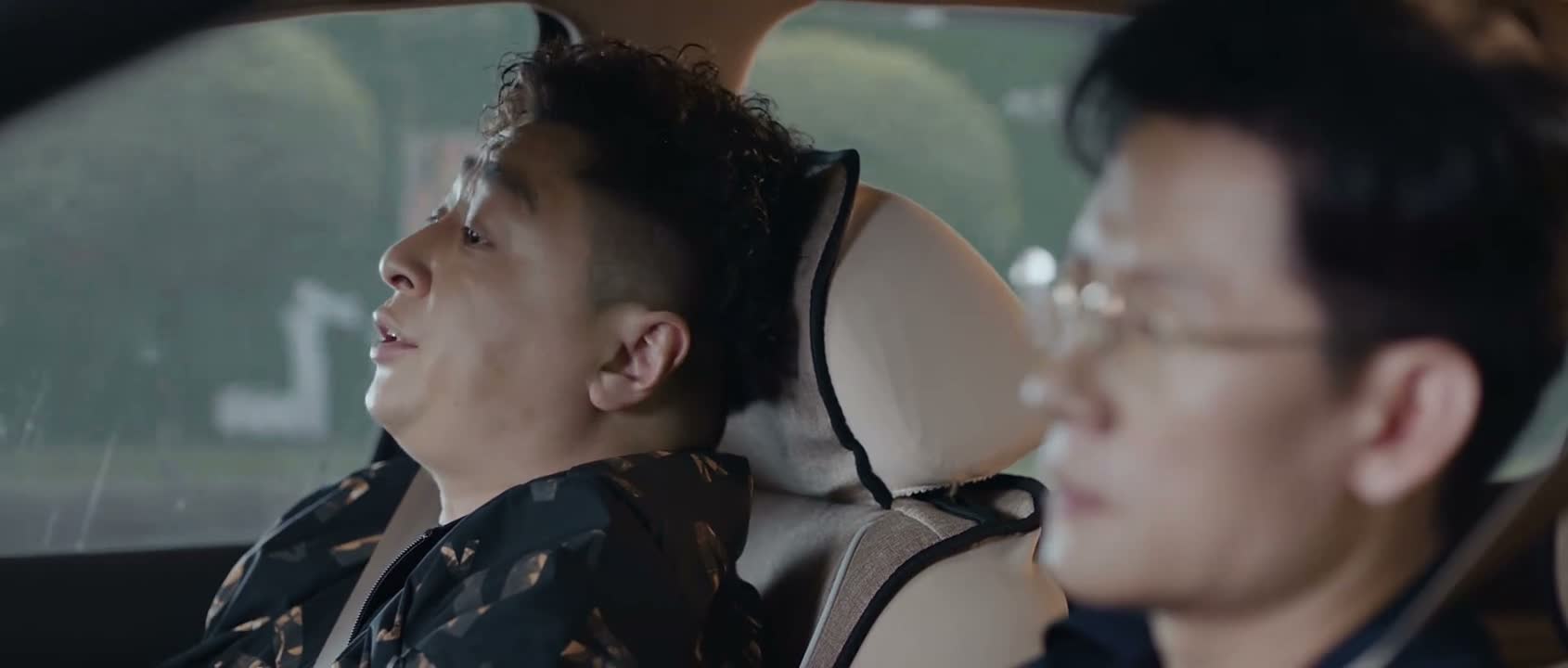
《The Inner Eye》 S1·E28 (30:17)
HSK 6
cǐ yī shí bǐ yī shí ma
此一时彼一时嘛
“This time is different.”
《The Inner Eye》
S1·E28
TIMECODE: 30:17
·
1080P MASTER AUDIO
THE DIALOGUE REEL
[-1] PREVIOUS TURN
nǐ gǎi zhǔ yì le
你改主意了
“You changed your mind?”
cǐ yī shí bǐ yī shí ma
CURRENT FOCUS
此一时彼一时 嘛
“This time is different.”
[+1] FOLLOW-UP TURN
nà ge shí hòu yě méi xiǎng dào
那个时候也没想到
“At that time, I didn't expect”
Subtitles synced to millisecond timecode
Browse Show Clips →
Scene:
Social & Dating
Function:
JUSTIFYING CHANGE
Tone:
CASUAL
Emotion:
DEFENSIVENESS
WHAT THEY REALLY MEAN (PRAGMATIC SUBTEXT)
“Don't hold me to what I said before; things have changed.”
💡 Cultural Insight: Pragmatic Flexibility (Shitai Bianhua)
Chinese interpersonal communication often values situational adaptability over rigid consistency, using idioms to smoothly negotiate shifts in stance without losing face.
INTENT TAGS:
#rationalization
#deflection
#self_justification
#mitigation
🧩
1 CHUNKS · 1 PARTICLES
LEARNING CHUNKS & PARTICLES
此一时彼一时
SPOKEN CHUNK
times have changed; that was then, this is now
A classic four-character idiom frequently used in speech to justify changing a decision or attitude due to new circumstances.
Modal Particle「嘛」 (ma)
CHANGE OF STATE
Softens the assertion while implying that the change of circumstances should be obvious and understandable to the listener.
🏮
1 EXPR · 0 GRAMMAR
VOCABULARY & EXPRESSIONS
COLLOQUIAL EXPRESSIONS:
CROSS-CINEMA CORPUS BOARD · PARALLEL SCENES
EXPLORE BY SEMANTIC SIMILARITY
Parallel Spoken Cinema Scenes (语义近邻切片)


《The Inner Eye》 S1·E28 (30:17) · Authentic Cinema Dialogue Corpus