MC
MandarinClips Cinema Corpus
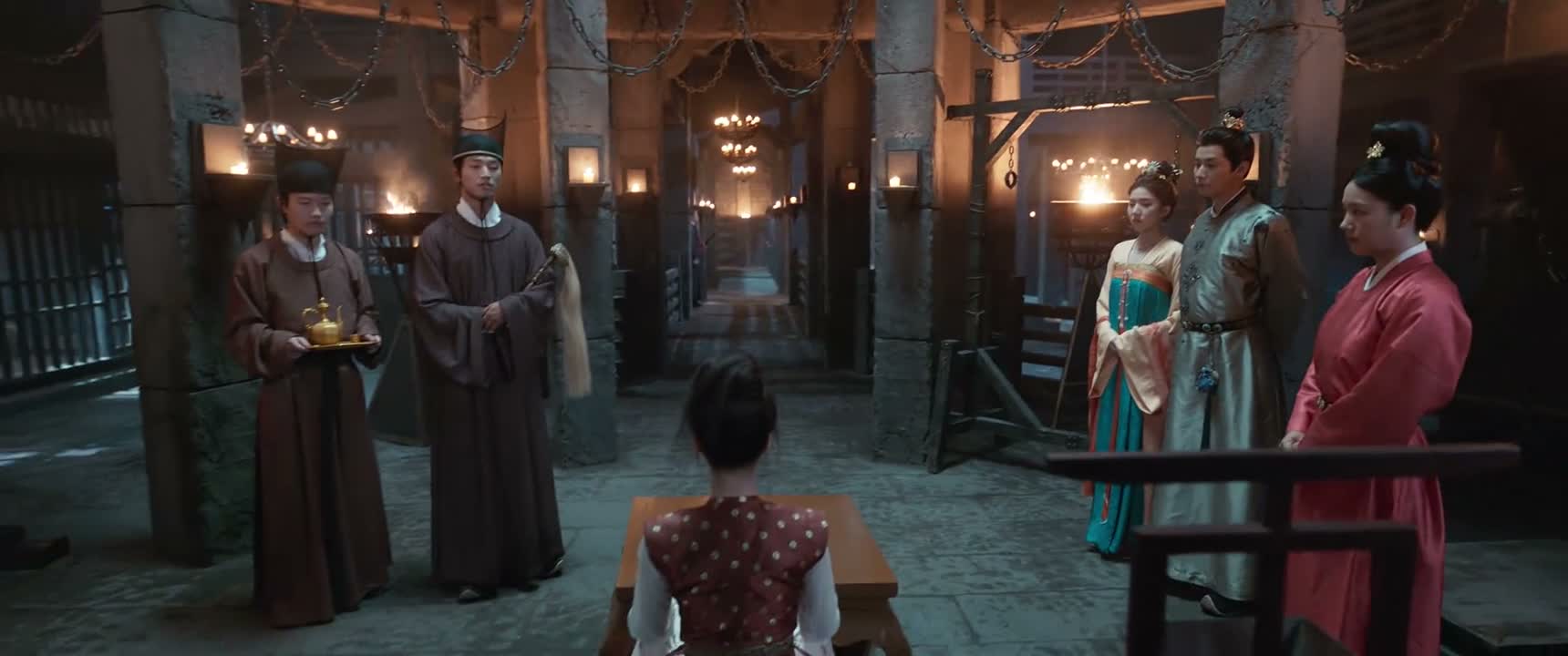
《The Dream Maker》 S1·E8 (27:52) HSK 7
jí shí yǐ dào láo jià láo jià láo jià jí shí yǐ dào

吉时已到 劳驾 劳驾 劳驾 吉时已到

“- It's time. - Excuse me. It's time.”

《The Dream Maker》 S1·E8
TIMECODE: 27:52 · 1080P MASTER AUDIO

THE DIALOGUE REEL

1+1+1 SPOKEN CONTINUITY
[-1] PREVIOUS TURN zán men jǐ diǎn kāi shǐ a

咱们几点开始啊

“When are we starting?”

jí shí yǐ dào láo jià láo jià láo jià jí shí yǐ dào CURRENT FOCUS

吉时已到 劳驾 劳驾 劳驾 吉时已到

“- It's time. - Excuse me. It's time.”

[+1] FOLLOW-UP TURN lǎo lín lǎo lín láo jià láo jià a zhǔn bèi a zhǔn bèi zhǔn bèi

老林 老林 劳驾 劳驾啊 准备啊 准备 准备

“Lin. Excuse me. Get ready.”

Subtitles synced to millisecond timecode Browse Show Clips →
Scene: Daily Life
Function: ANNOUNCING AND COORDINATING
Tone: URGENT
Emotion: EXCITEMENT
WHAT THEY REALLY MEAN (PRAGMATIC SUBTEXT)

Direct spoken expression in this communicative setting.

💡 Cultural Insight: Jishi (Auspicious Hour)

In traditional Chinese culture, grand openings and celebrations are carefully timed according to astrology and feng shui; commencing strictly at the 'jishi' is believed to guarantee good luck.

INTENT TAGS: #announcement #coordination #ceremonial_timing #polite_request
🧩

LEARNING CHUNKS & PARTICLES

2 CHUNKS · 0 PARTICLES
吉时已到 SPOKEN CHUNK

the auspicious hour has arrived

A set phrase used in traditional ceremonies such as weddings, grand openings, or ritual events to declare that the scheduled good hour has begun.

劳驾 SPOKEN CHUNK

excuse me / pardon me / would you kindly

A polite, traditional northern Chinese idiom used when asking someone to step aside or do a minor favor.

🏮

VOCABULARY & EXPRESSIONS

2 EXPR · 0 GRAMMAR
CROSS-CINEMA CORPUS BOARD · PARALLEL SCENES

Parallel Spoken Cinema Scenes (语义近邻切片)

EXPLORE BY SEMANTIC SIMILARITY
《The Dream Maker》 S1·E8 (27:52) · Authentic Cinema Dialogue Corpus