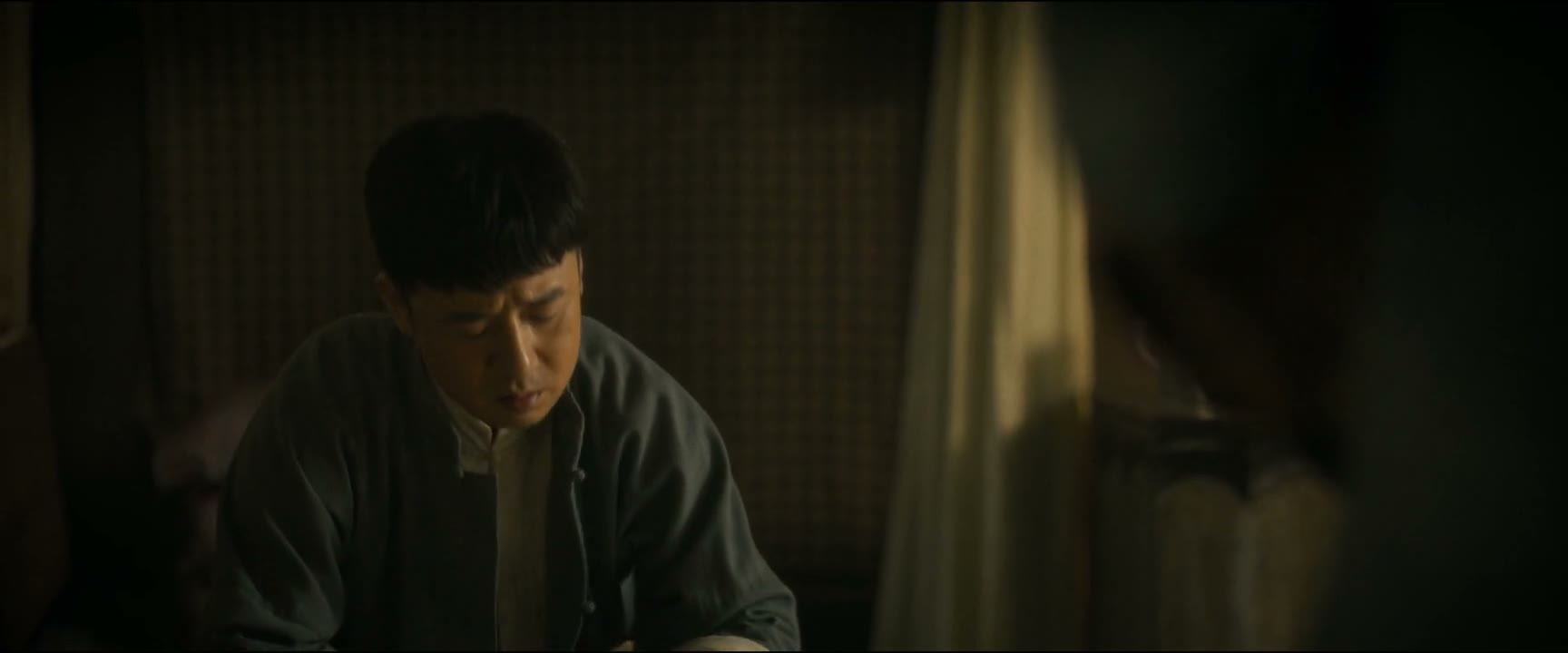
我毕竟是来讨工作的嘛 应当的
“Well, I'm here for business after all. It's what I should do.”
THE DIALOGUE REEL
“Mr. Pei, you're really thoughtful about these things.”
我 毕竟是 来 讨工作 的嘛 应当的
“Well, I'm here for business after all. It's what I should do.”
对了
“By the way,”
“I need this job, so going the extra mile is the least I can do.”
In Chinese workplace etiquette, lower-ranking individuals routinely downplay their efforts with phrases like '应当的' (it's only expected) to respect the hierarchy and preserve modesty.
LEARNING CHUNKS & PARTICLES
to seek employment; to ask for work
The verb '讨' conveys a humble, slightly self-lowering posture when asking for a job or favor.
it's only right; proper; the least one can do
A polite formula used to deflect compliments and affirm that one's efforts were merely fulfilling expected duties.
Highlights an obvious fact or rationale, softening the statement and making the speaker's deference sound natural.
VOCABULARY & EXPRESSIONS
Parallel Spoken Cinema Scenes (语义近邻切片)

“I should have gone into HR. In that case,”

“Helping guests is also your job.”
“But I can't get paid for doing nothing.”