我可是一晚上都没回来
“I didn't come back all night.”
THE DIALOGUE REEL
这个点 羞应该还没醒吧 应该没吧 怎么了
“At this hour, Xiu probably isn't awake yet, right? Probably not. What's wrong?”
我可是 一晚上都没回来
“I didn't come back all night.”
“Why are you feeling guilty? Are you worried she'll misunderstand us?”
“Of course I'm nervous; spending the entire night away looks completely suspicious!”
In Chinese social relationships, spending the night away creates strong interpersonal scrutiny, making parties anxious about avoiding suspicion (避嫌).
LEARNING CHUNKS & PARTICLES
but / however / actually
Used here as an emphatic adverb to stress the contrast between the other person's calm attitude and the speaker's precarious situation.
not even once / not at all throughout the entire night
A common pattern (time duration + 都没 + verb) used to emphasize that something failed to happen during the whole period.
VOCABULARY & EXPRESSIONS
Parallel Spoken Cinema Scenes (语义近邻切片)

“He hasn't been back all night. Could something have happened?”

“Why are you back so late?”

“Why are you back so late? Where did you go?”

“Why are you just getting back? Were you in meetings all night?”

“that I'd be working really late today?”
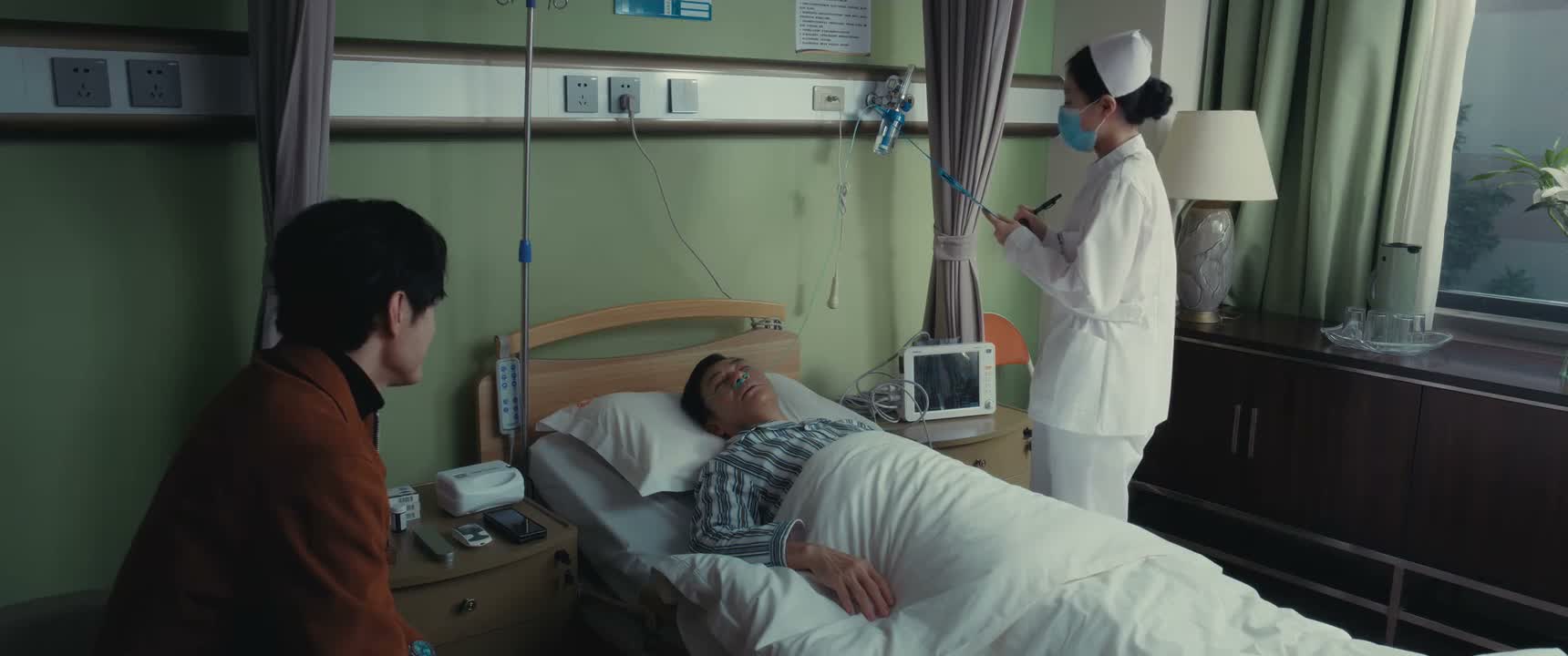
“He came last night. He stayed here all night.”