MC
MandarinClips Cinema Corpus
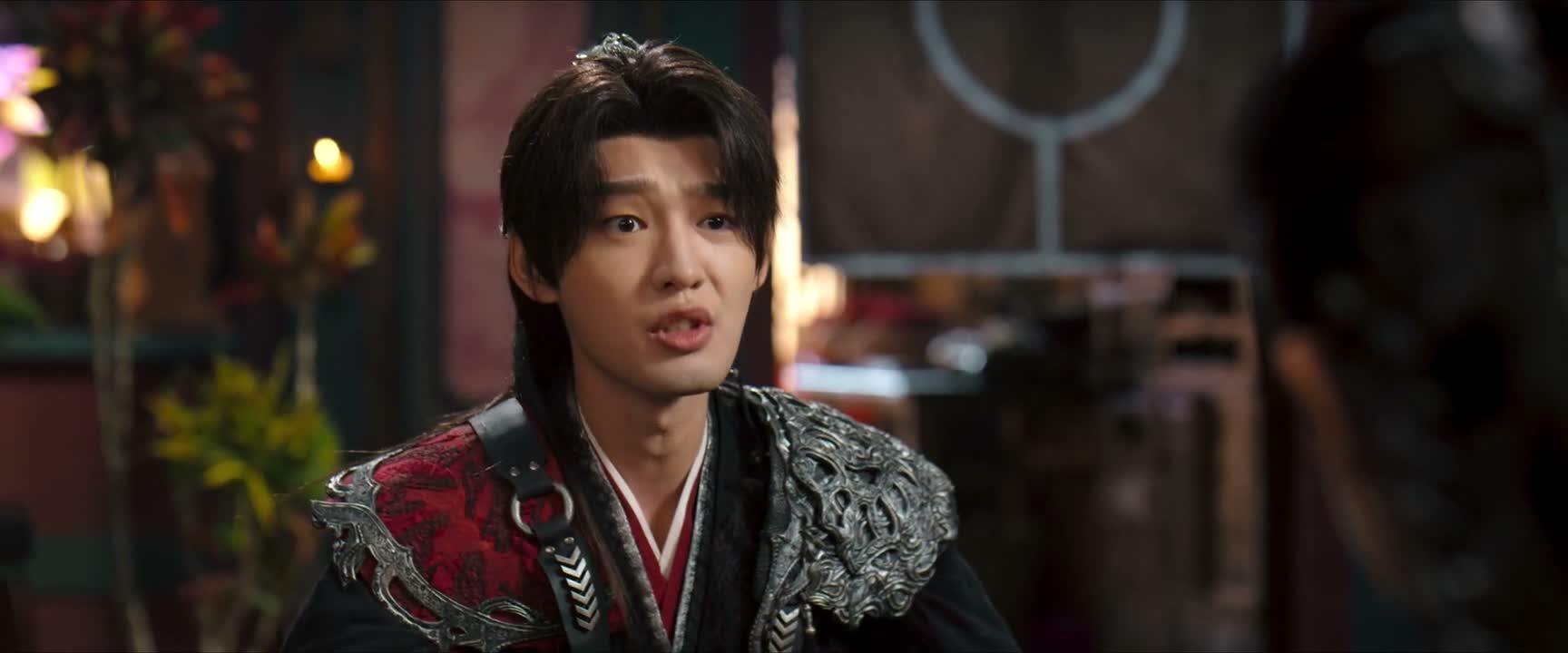
《How Dare You!?》 S1·E1 (17:50) HSK 6
cóng xiǎo xìng gé piān zhí cán bào shì shā

从小性格偏执 残暴嗜杀

“You've been stubborn, brutal, and bloodthirsty since childhood. [Stubborn] [Brutal] [Bloodthirsty]”

《How Dare You!?》 S1·E1
TIMECODE: 17:50 · 1080P MASTER AUDIO

THE DIALOGUE REEL

1+1+1 SPOKEN CONTINUITY
[-1] PREVIOUS TURN nǐ ne yòu huàn yǒu piān tóu tòng

你呢又患有偏头痛

“And you suffer from migraines. [Migraine]”

cóng xiǎo xìng gé piān zhí cán bào shì shā CURRENT FOCUS

从小 性格偏执 残暴嗜杀

“You've been stubborn, brutal, and bloodthirsty since childhood. [Stubborn] [Brutal] [Bloodthirsty]”

[+1] FOLLOW-UP TURN cháo zhōng de zhōng chén a

朝中的忠臣啊

“[Bloodthirsty] The loyal ministers in court”

Subtitles synced to millisecond timecode Browse Show Clips →
Scene: Historical & Court
Function: CHARACTERIZING
Tone: CRITICAL
Emotion: FEAR
WHAT THEY REALLY MEAN (PRAGMATIC SUBTEXT)

Direct spoken expression in this communicative setting.

💡 Cultural Insight: The Tyrant Archetype

In traditional Chinese historiography and court dramas, brutal emperors are stereotyped through paired classical traits like extreme paranoia (偏执) and bloodlust (嗜杀).

INTENT TAGS: #character_assessment #warning #description #condemnation
🧩

LEARNING CHUNKS & PARTICLES

2 CHUNKS · 0 PARTICLES
偏执 SPOKEN CHUNK

paranoid; stubbornly biased

Used to describe an inflexible, extreme, or obsessive personality trait.

嗜杀 SPOKEN CHUNK

bloodthirsty; addicted to killing

A formal and literary adjective often applied to historical tyrants who relish murder.

🏮

VOCABULARY & EXPRESSIONS

3 EXPR · 0 GRAMMAR
CROSS-CINEMA CORPUS BOARD · PARALLEL SCENES

Parallel Spoken Cinema Scenes (语义近邻切片)

EXPLORE BY SEMANTIC SIMILARITY
《How Dare You!?》 S1·E1 (17:50) · Authentic Cinema Dialogue Corpus