MC
MandarinClips Cinema Corpus
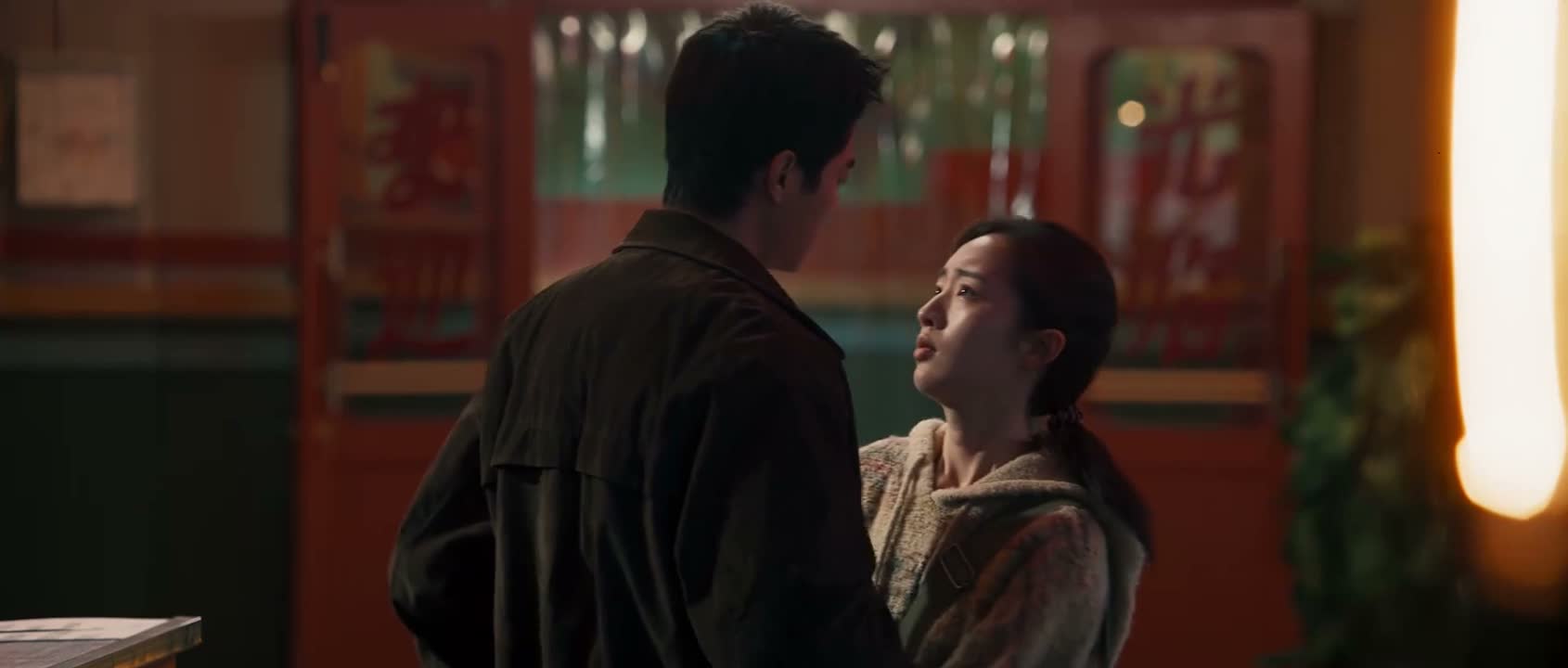
《A Splendid Match》 S1·E16 (04:19) HSK 2
bú shì shuō nín zài sān hé ma zěn me huí lái le

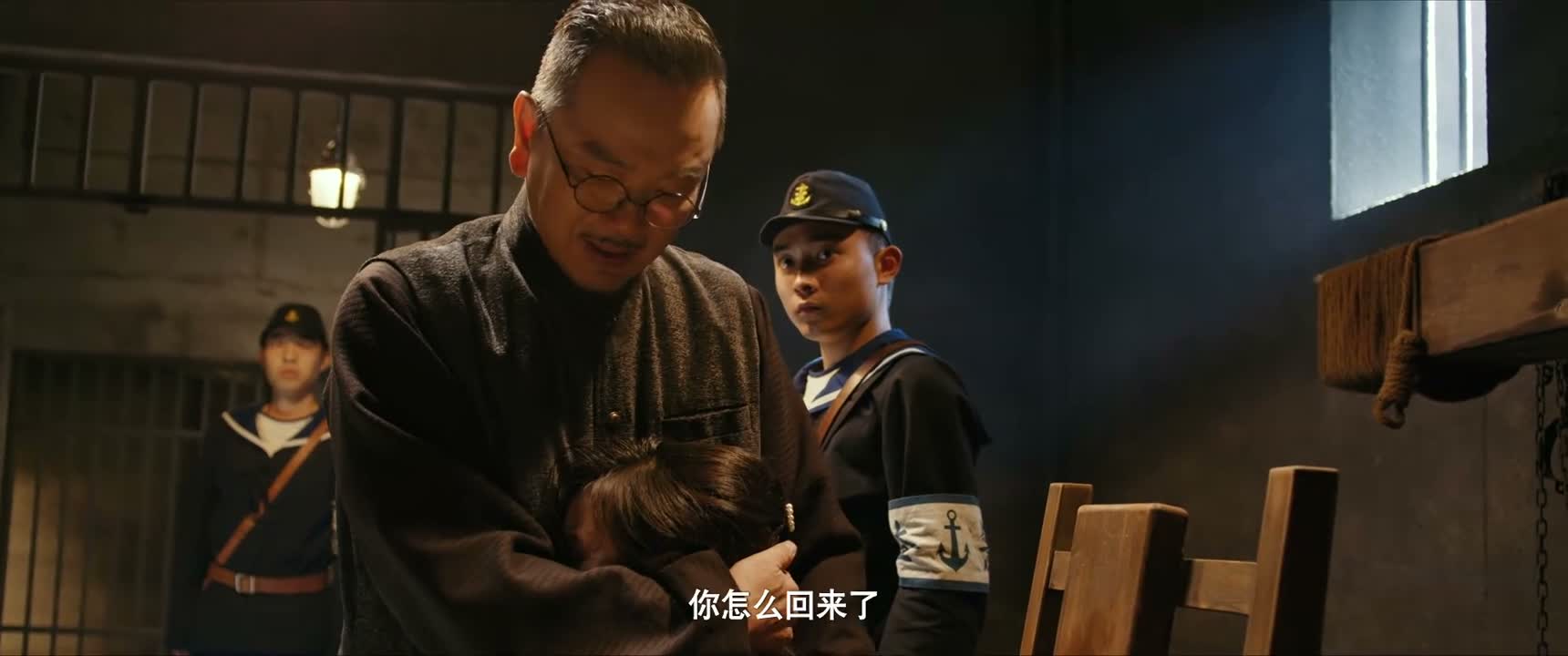
不是说您在三河吗 怎么回来了

“I thought you were in Sanhe. Why are you back?”

《A Splendid Match》 S1·E16
TIMECODE: 04:19 · 1080P MASTER AUDIO

THE DIALOGUE REEL

1+1+1 SPOKEN CONTINUITY
[-1] PREVIOUS TURN èr biǎo gē

二表哥

“Second Cousin,”

bú shì shuō nín zài sān hé ma zěn me huí lái le CURRENT FOCUS

不是说 您在三河 吗 怎么回来了

“I thought you were in Sanhe. Why are you back?”

[+1] FOLLOW-UP TURN jīn tiān yùn liáng duì yào lái wǒ dāng rán dé zài

“The grain transport team is arriving today. Of course I have to be here.”

Subtitles synced to millisecond timecode Browse Show Clips →
Scene: Family & Home
Function: INQUIRING UNEXPECTED PRESENCE
Tone: INQUISITIVE
Emotion: SURPRISE
WHAT THEY REALLY MEAN (PRAGMATIC SUBTEXT)

Direct spoken expression in this communicative setting.

💡 Cultural Insight: Honorific Pronoun '您' among Extended Family

Using '您' (the formal 'you') toward an older cousin shows traditional family hierarchy and filial respect, even within comfortable kinship.

INTENT TAGS: #inquiry #surprise #verification #greeting
🧩

LEARNING CHUNKS & PARTICLES

2 CHUNKS · 2 PARTICLES
不是说 SPOKEN CHUNK

wasn't it said that... / I thought that...

Used to introduce an established premise or rumor when current reality seems to contradict it.

怎么回来了 SPOKEN CHUNK

how come you came back?

A natural spoken phrase used when someone appears unexpectedly.

Modal Particle「吗」 (ma) CHANGE OF STATE

Marks a rhetorical or confirmation-seeking question about a previously stated fact.

Modal Particle「了」 (le) CHANGE OF STATE

Indicates a completed change of state or arrival in the action of returning.
🏮

VOCABULARY & EXPRESSIONS

2 EXPR · 1 GRAMMAR
CROSS-CINEMA CORPUS BOARD · PARALLEL SCENES

Parallel Spoken Cinema Scenes (语义近邻切片)

EXPLORE BY SEMANTIC SIMILARITY
《A Splendid Match》 S1·E16 (04:19) · Authentic Cinema Dialogue Corpus