MC
MandarinClips Cinema Corpus
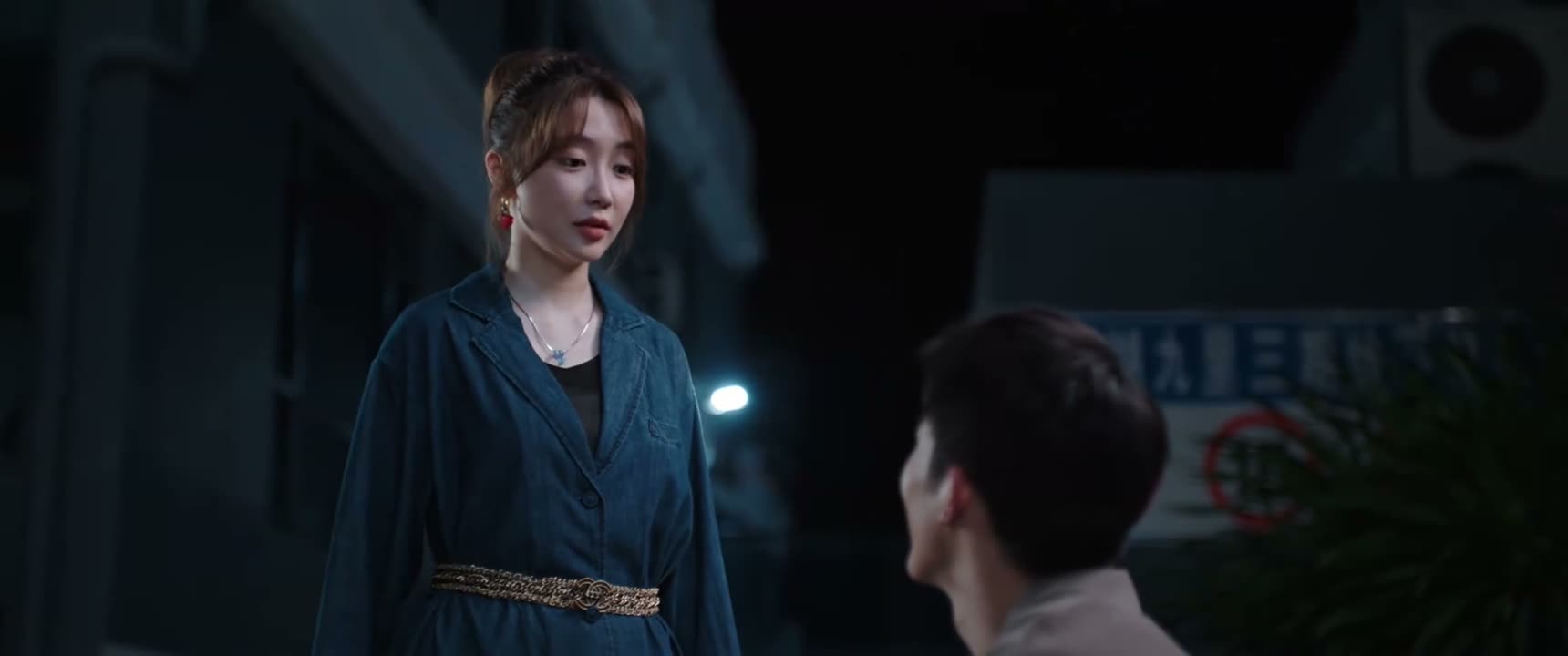
《The First Jasmine》 S1·E33 (13:19) HSK 7
è bù è gěi nǐ áo le diǎn zhōu lái

饿不饿 给你熬了点粥 来

“Are you hungry? I made you congee. Come on.”

《The First Jasmine》 S1·E33
TIMECODE: 13:19 · 1080P MASTER AUDIO

THE DIALOGUE REEL

1+1+1 SPOKEN CONTINUITY
[-1] PREVIOUS TURN zhè xiē dōu shì nǐ pī de

这些都是你劈的

“Did you chop all of this?”

è bù è gěi nǐ áo le diǎn zhōu lái CURRENT FOCUS

饿不饿 给你 熬了点粥 来

“Are you hungry? I made you congee. Come on.”

[+1] FOLLOW-UP TURN yǐ qián xíng jūn dǎ zhàng zuò chī de bù tài jiǎng jiū

“When I was in the army, I wasn't very particular about cooking.”

Subtitles synced to millisecond timecode Browse Show Clips →
Scene: Daily Life
Function: OFFERING CARE
Tone: CARING AND TENDER
Emotion: AFFECTION
WHAT THEY REALLY MEAN (PRAGMATIC SUBTEXT)

Direct spoken expression in this communicative setting.

💡 Cultural Insight: Care Through Food

Asking about hunger and offering hot food like congee is one of the most quintessential ways to show deep affection and emotional care in Chinese culture.

INTENT TAGS: #caregiving #hospitality #affection #nurturing
🧩

LEARNING CHUNKS & PARTICLES

2 CHUNKS · 1 PARTICLES
饿不饿 SPOKEN CHUNK

are you hungry?

An A-not-A question format used casually to show concern for someone's basic needs.

熬粥 SPOKEN CHUNK

cook porridge / simmer congee

Use '熬' rather than '做' or '煮' to convey slow, careful simmering.

Modal Particle「了」 (le) CHANGE OF STATE

Indicates completion of cooking the porridge, emphasizing the present result ready to be eaten.
🏮

VOCABULARY & EXPRESSIONS

2 EXPR · 0 GRAMMAR
CROSS-CINEMA CORPUS BOARD · PARALLEL SCENES

Parallel Spoken Cinema Scenes (语义近邻切片)

EXPLORE BY SEMANTIC SIMILARITY
《The First Jasmine》 S1·E33 (13:19) · Authentic Cinema Dialogue Corpus