时间到了 该走了
“It's time. Time to go.”
THE DIALOGUE REEL
高启强
“Gao Qiqiang.”
时间到了 该走了
“It's time. Time to go.”
你怎么还没走啊
“Why are you still here?”
Direct spoken expression in this communicative setting.
Phrasing orders impersonally around time constraints rather than personal authority allows officials to maintain protocol without provoking personal friction.
LEARNING CHUNKS & PARTICLES
time is up
Used universally in daily life, tests, meetings, or custodial visits to declare that allotted time has expired.
ought to leave; time to go
An essential spoken formula signaling that departure is required or expected.
Indicates a newly emerged situation or state change, signaling that the permitted period has now terminated.
VOCABULARY & EXPRESSIONS
Parallel Spoken Cinema Scenes (语义近邻切片)
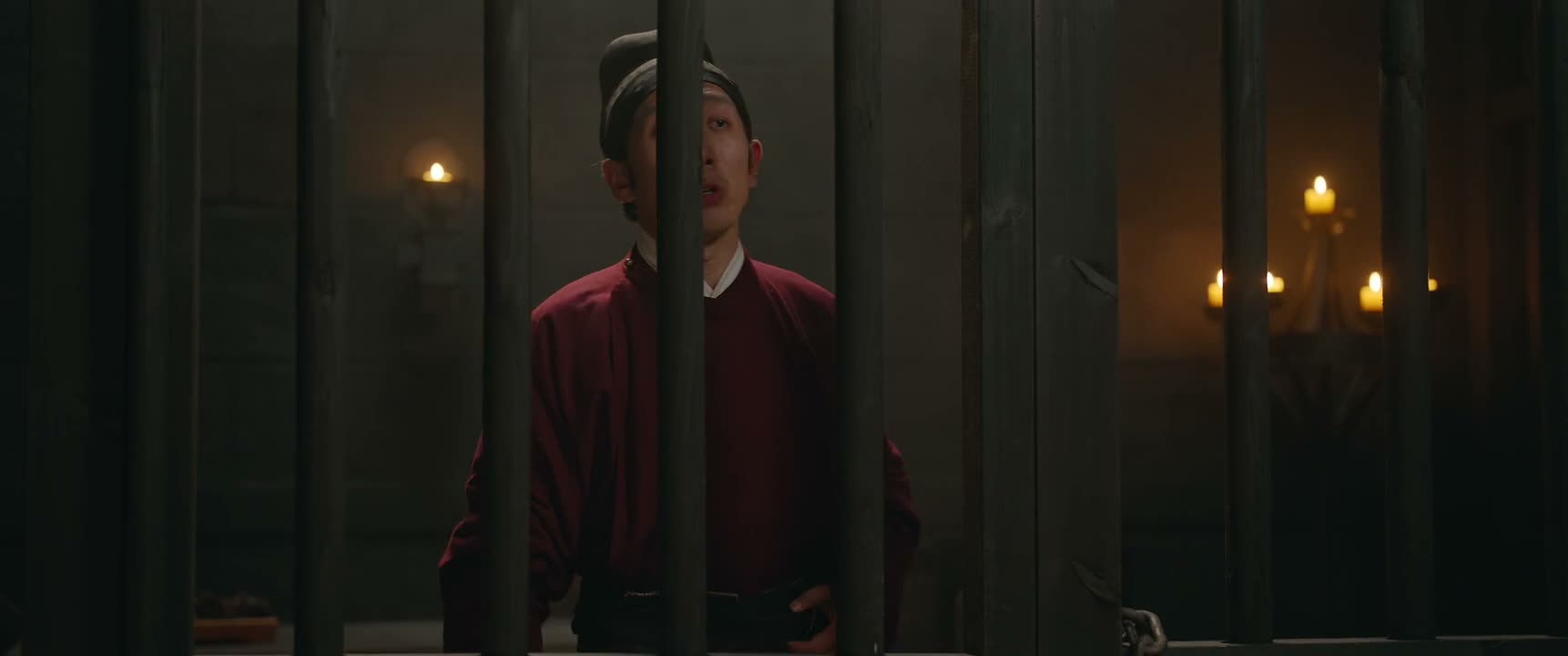
“Time's up. You should leave.”
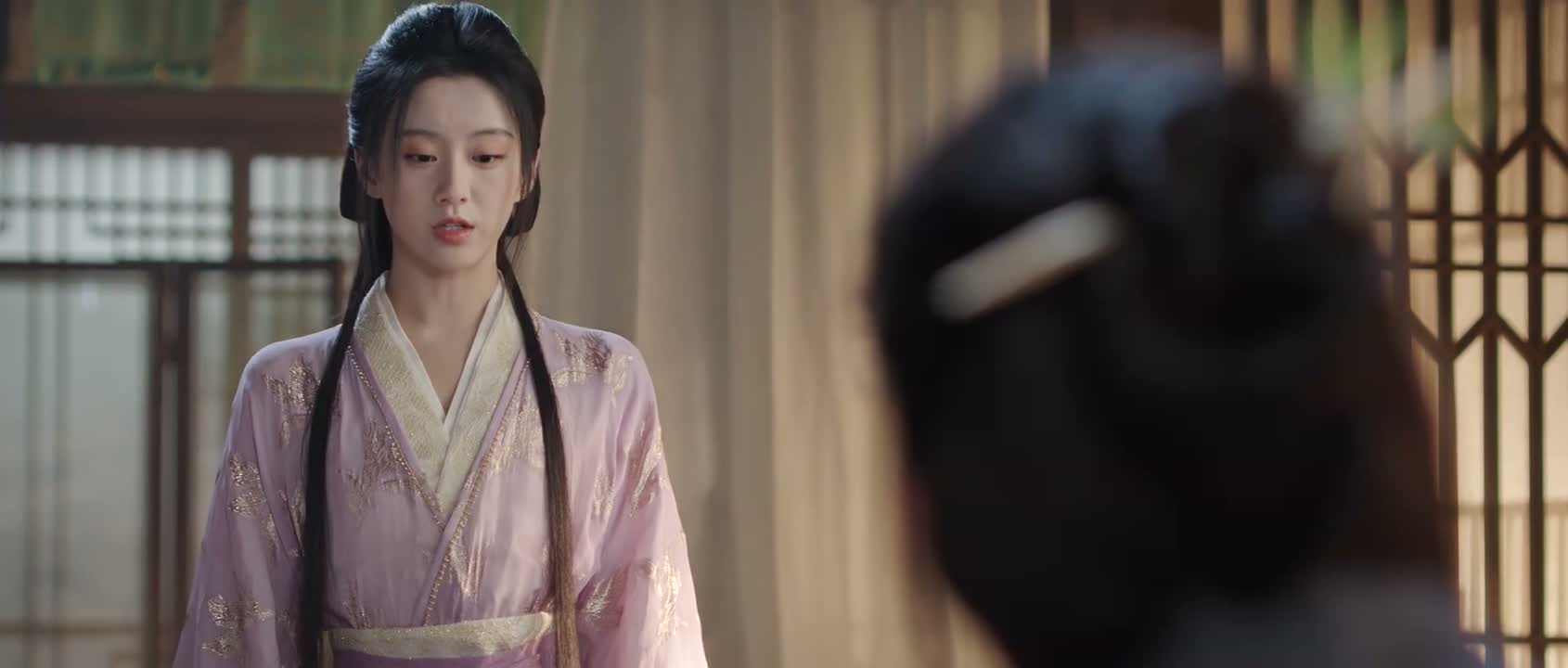
“It's time for me to return.”

“They went in at sunset. If we leave now, we should be able to catch them.”