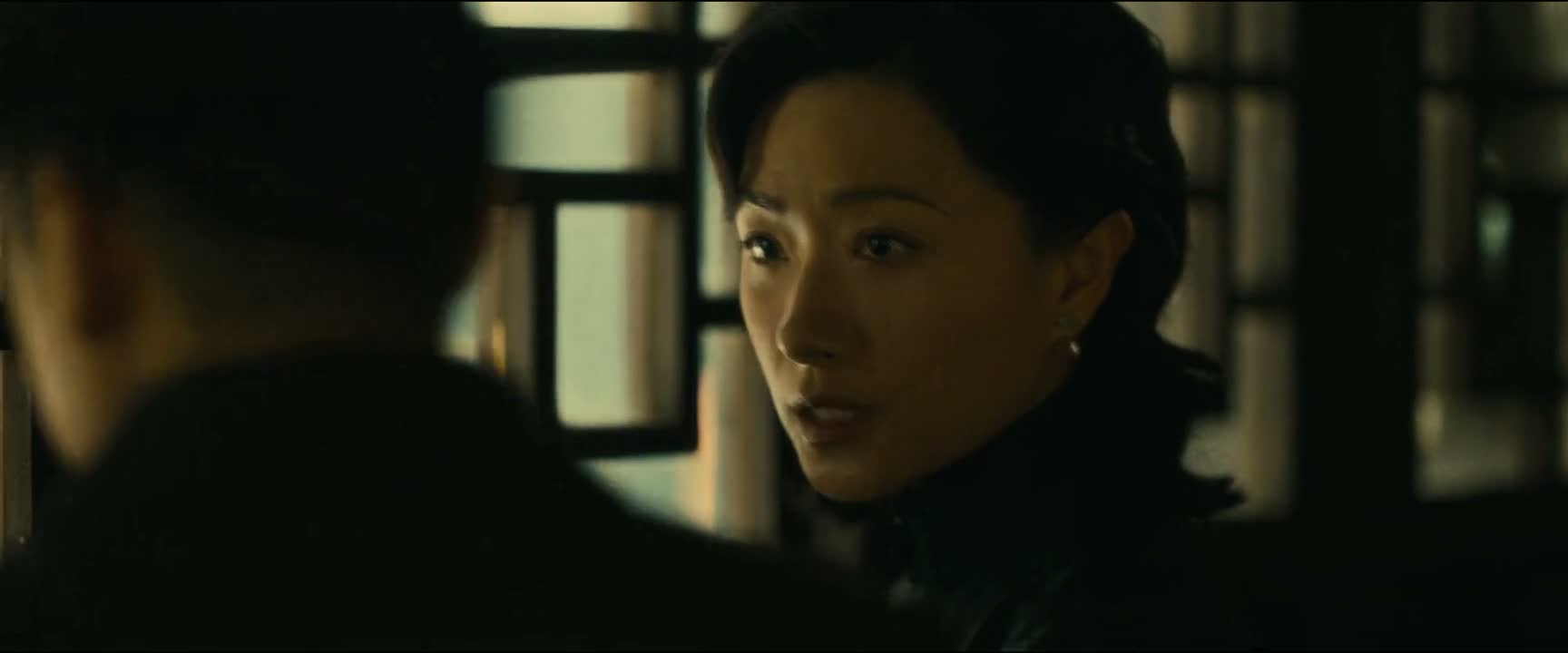
你怎么来了 特意来看你的
“What's up? I came to see you.”
THE DIALOGUE REEL
来
“Here you go.”
你怎么来了 特意来看你 的
“What's up? I came to see you.”
“You took all your stuff from the dorm. What's going on?”
Direct spoken expression in this communicative setting.
Stating that an action was done 'specifically' (特意) signals great respect, care, and emotional investment in the relationship.
LEARNING CHUNKS & PARTICLES
How come you're here?
A common, natural way to express pleasant surprise or mild confusion when unexpectedly seeing someone.
came specially to see you
Used to convey sincere affection or personal attention, indicating an intentional trip rather than a coincidental drop-in.
Marks the change of state indicating the unexpected arrival of the person.
Emphasizes the specific purpose and sincerity of the visit.
VOCABULARY & EXPRESSIONS
Parallel Spoken Cinema Scenes (语义近邻切片)

“What brings you here? How dare you ask me that?”

“Why are you here? I just finished surgery.”

“Why are you here? Weren't you still asleep? I'm on a business trip today.”
“”

“What are you doing here? I was passing by on business. What're you doing here?”

“Why are you here? You might not know where things are.”