跟我在一起的时候 总要聊别人呢
“whenever you're with me, you always end up talking about others.”
THE DIALOGUE REEL
倒是你这个人
“But you—”
跟我 在一起 的时候 总要聊别人 呢
“whenever you're with me, you always end up talking about others.”
上次我见你 已经是很久之前了
“It's been a long time since I last saw you.”
“Pay attention to me, not other people when we are alone.”
In Chinese romantic interactions, expressing minor complaints with soft particles is a common way to display intimacy and solicit extra affection.
LEARNING CHUNKS & PARTICLES
when you are with me
A natural phrase used to establish a personal, shared timeframe between close individuals or romantic partners.
always inevitably; why must you always
Used to point out a recurring, slightly annoying habit with mild dissatisfaction.
Softens the rhetorical question into a gentle, affectionate pout rather than a harsh accusation.
VOCABULARY & EXPRESSIONS
Parallel Spoken Cinema Scenes (语义近邻切片)

“Being with you really makes me happy.”
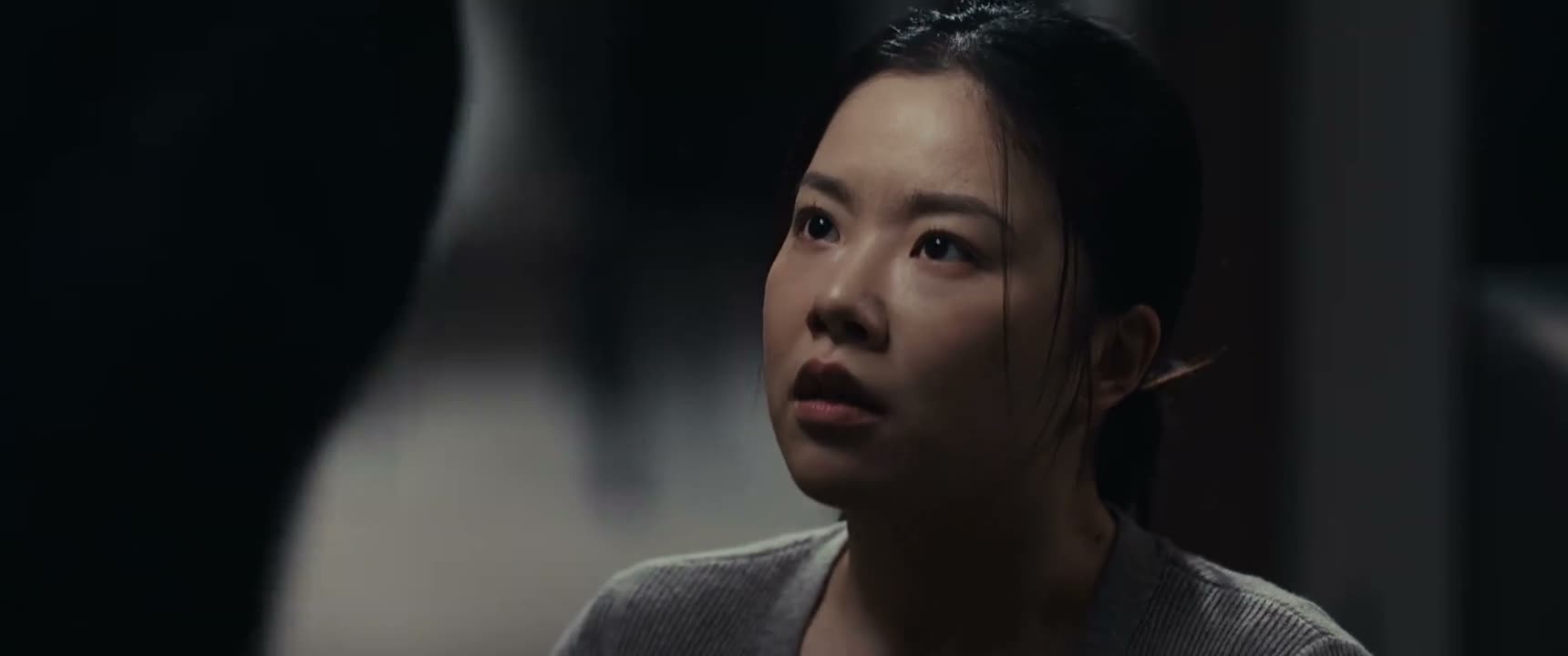
“Anyone who stays with you will eventually become like this!”

“Why weren't you afraid when you date me?”

“I'm happy being with you.”

“I want to be with you”

“Always be together. Together. Come on.”