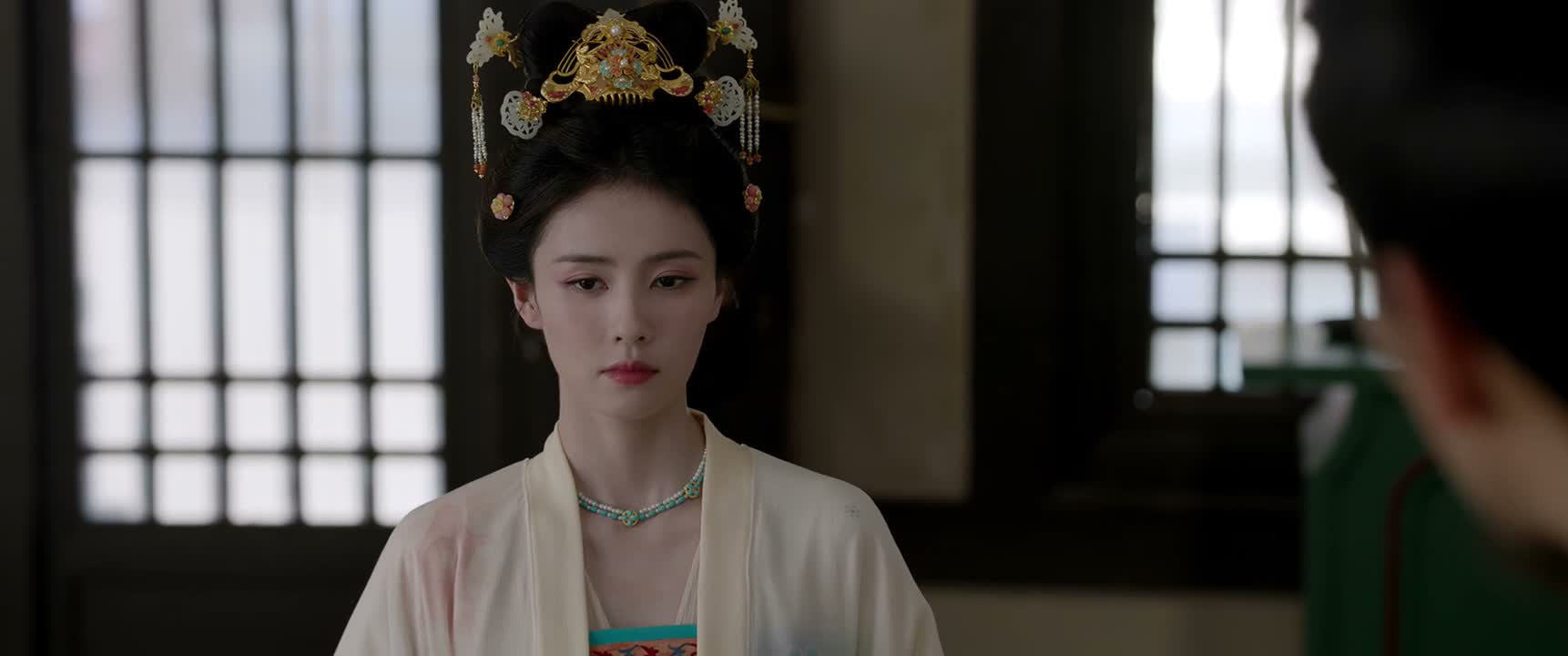
《Eight Hundred》 S1·E2 (25:51)
HSK 2
tā zěn me kě néng fàn cuò ne
她怎么可能犯错呢
“How could she have done anything wrong?”
《Eight Hundred》
S1·E2
TIMECODE: 25:51
·
1080P MASTER AUDIO
THE DIALOGUE REEL
[-1] PREVIOUS TURN
gāng gāng dào fēng yáng
刚刚到丰阳
“She just arrived in Fengyang.”
tā zěn me kě néng fàn cuò ne
CURRENT FOCUS
她 怎么可能 犯错 呢
“How could she have done anything wrong?”
[+1] FOLLOW-UP TURN
wǒ men bú huì nòng cuò de
我们不会弄错的
“We won't make a mistake.”
Subtitles synced to millisecond timecode
Browse Show Clips →
Scene:
Crisis & Conflict
Function:
DEFENDING SOMEONE
Tone:
DEFENSIVE
Emotion:
INCREDULITY
WHAT THEY REALLY MEAN (PRAGMATIC SUBTEXT)
“You must be mistaken or lying, because she would never do that.”
💡 Cultural Insight: Defensive Loyalty
In Chinese social interactions, defending an absent close ally or family member strongly reinforces in-group loyalty and trust.
INTENT TAGS:
#disbelief
#denial
#defending_others
#challenging_accusation
🧩
2 CHUNKS · 1 PARTICLES
LEARNING CHUNKS & PARTICLES
怎么可能
SPOKEN CHUNK
how could it be possible
A common spoken phrase used to express strong disbelief or dismiss an idea as utterly improbable.
犯错
SPOKEN CHUNK
make a mistake / commit an error
Standard collocation referring to blundering or doing something wrong.
Modal Particle「呢」 (ne)
CHANGE OF STATE
Enhances the rhetorical quality of the question, emphasizing disbelief and protest.
🏮
1 EXPR · 1 GRAMMAR
VOCABULARY & EXPRESSIONS
COLLOQUIAL EXPRESSIONS:
GRAMMAR BLUEPRINTS:
CROSS-CINEMA CORPUS BOARD · PARALLEL SCENES
EXPLORE BY SEMANTIC SIMILARITY
Parallel Spoken Cinema Scenes (语义近邻切片)
《Eight Hundred》 S1·E2 (25:51) · Authentic Cinema Dialogue Corpus