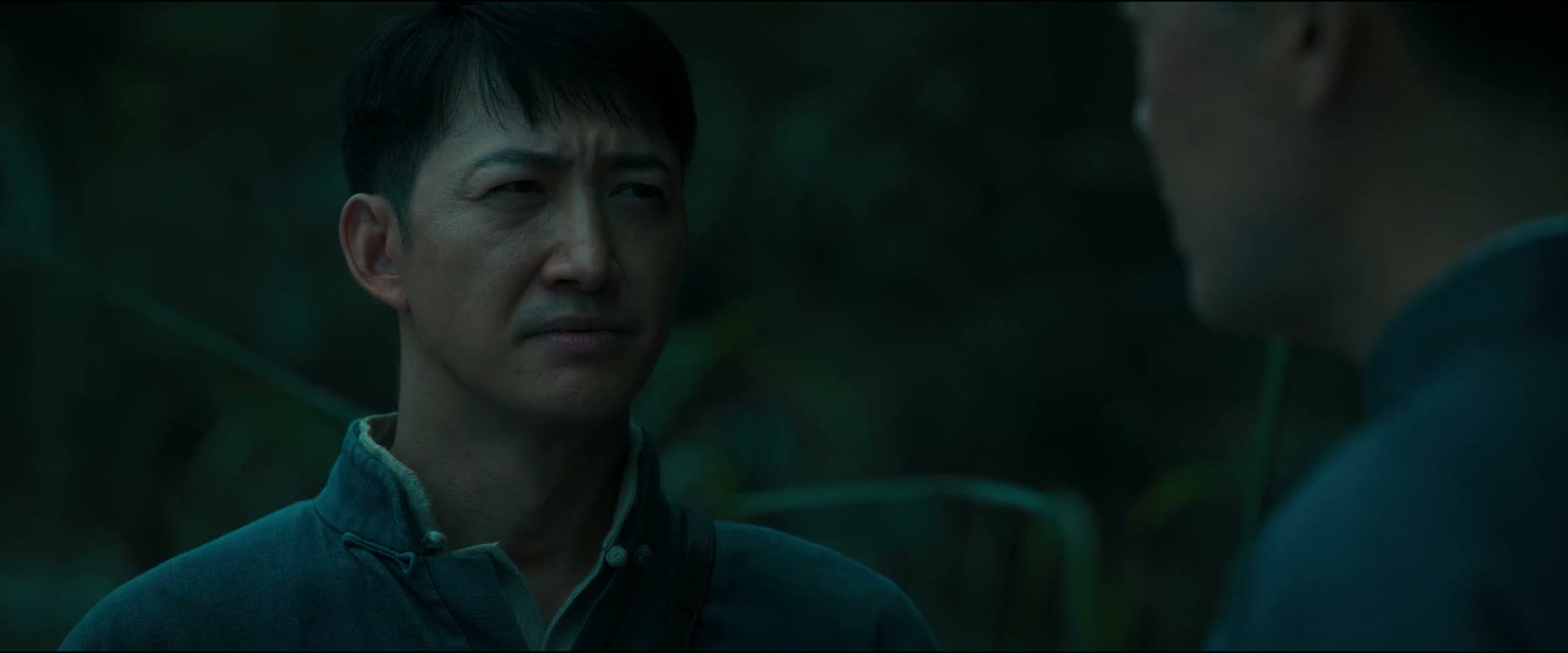
《How Dare You!?》 S1·E24 (19:24)
HSK 3
wǒ zhǐ xiāng xìn wǒ zì jǐ kàn jiàn de
我只相信我自己看见的
“I only believe what I've seen with my own eyes.”
《How Dare You!?》
S1·E24
TIMECODE: 19:24
·
1080P MASTER AUDIO
THE DIALOGUE REEL
[-1] PREVIOUS TURN
wǒ yě bù guǎn nǐ zěn me shuō
我也不管你怎么说
“and I don't care what you say.”
wǒ zhǐ xiāng xìn wǒ zì jǐ kàn jiàn de
CURRENT FOCUS
我只 相信我 自己看 见的
“I only believe what I've seen with my own eyes.”
[+1] FOLLOW-UP TURN
nǐ
你
“You,”
Subtitles synced to millisecond timecode
Browse Show Clips →
Scene:
Crisis & Conflict
Function:
REJECTING EXPLANATION
Tone:
DEFIANT AND RESOLUTE
Emotion:
STUBBORNNESS
WHAT THEY REALLY MEAN (PRAGMATIC SUBTEXT)
“Save your breath; I know what I saw and nothing you say will change my mind.”
💡 Cultural Insight: Empirical Distrust in Interpersonal Conflicts
Invoking firsthand observation ('seeing is believing') is a conventional Chinese conversational strategy to assert moral and factual superiority when trust breaks down.
INTENT TAGS:
#refusal
#dismissal
#distrust
#standoff
🧩
2 CHUNKS · 0 PARTICLES
LEARNING CHUNKS & PARTICLES
只相信
SPOKEN CHUNK
only believe; to trust solely in
Commonly used to restrict one's trust exclusively to concrete evidence or specific people.
我自己看见的
SPOKEN CHUNK
what I saw with my own eyes
A nominal phrase used to emphasize firsthand eyewitness authority over hearsay.
🏮
2 EXPR · 0 GRAMMAR
VOCABULARY & EXPRESSIONS
COLLOQUIAL EXPRESSIONS:
CROSS-CINEMA CORPUS BOARD · PARALLEL SCENES
EXPLORE BY SEMANTIC SIMILARITY
Parallel Spoken Cinema Scenes (语义近邻切片)
《How Dare You!?》 S1·E24 (19:24) · Authentic Cinema Dialogue Corpus