啥没事嘛 你又没错 你怕啥呢嘛你
“How is this fine? You did nothing wrong. Why be scared?”
THE DIALOGUE REEL
我没事
“I'm fine.”
啥没事嘛 你又 没错 你怕啥 呢嘛你
“How is this fine? You did nothing wrong. Why be scared?”
你嫑担心我了 宋师 我不是担心你个人 这事闹的
“Don't worry about me, Master Song. I'm not just worried about you. Look at the mess.”
“Stop acting guilty and cowering; you did nothing wrong, so hold your head high.”
In Chinese moral pragmatics, being in the right (有理) should naturally confer fearlessness; backing down when innocent is viewed by close supporters as unnecessary weakness.
LEARNING CHUNKS & PARTICLES
What do you mean 'it's fine'?
Used in Northern/Northwestern colloquial speech to reject an interlocutor's polite dismissal of a serious problem.
What on earth are you afraid of?
An emphatic rhetorical question pushing someone to be bolder and stop hesitating.
Emphasizes that something should be obvious or self-evident, adding persuasive urgency.
Softens the rhetorical question while maintaining conversational insistence.
VOCABULARY & EXPRESSIONS
Parallel Spoken Cinema Scenes (语义近邻切片)

“She's fine. What do you want? Then I'm relieved.”
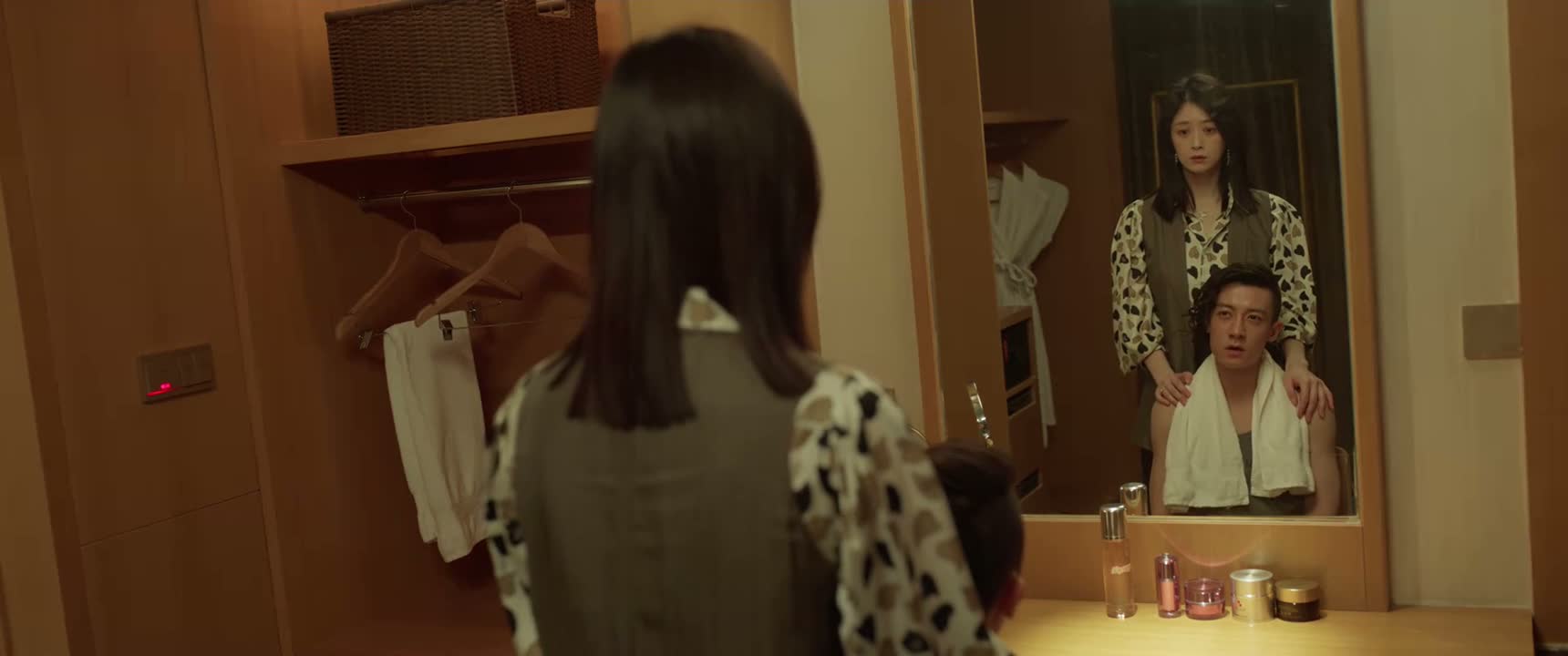
“I'm fine. It's nothing serious.”

“I'm fine. Don't worry.”

“I'm fine. Don't worry.”

“I'm fine. Good.”
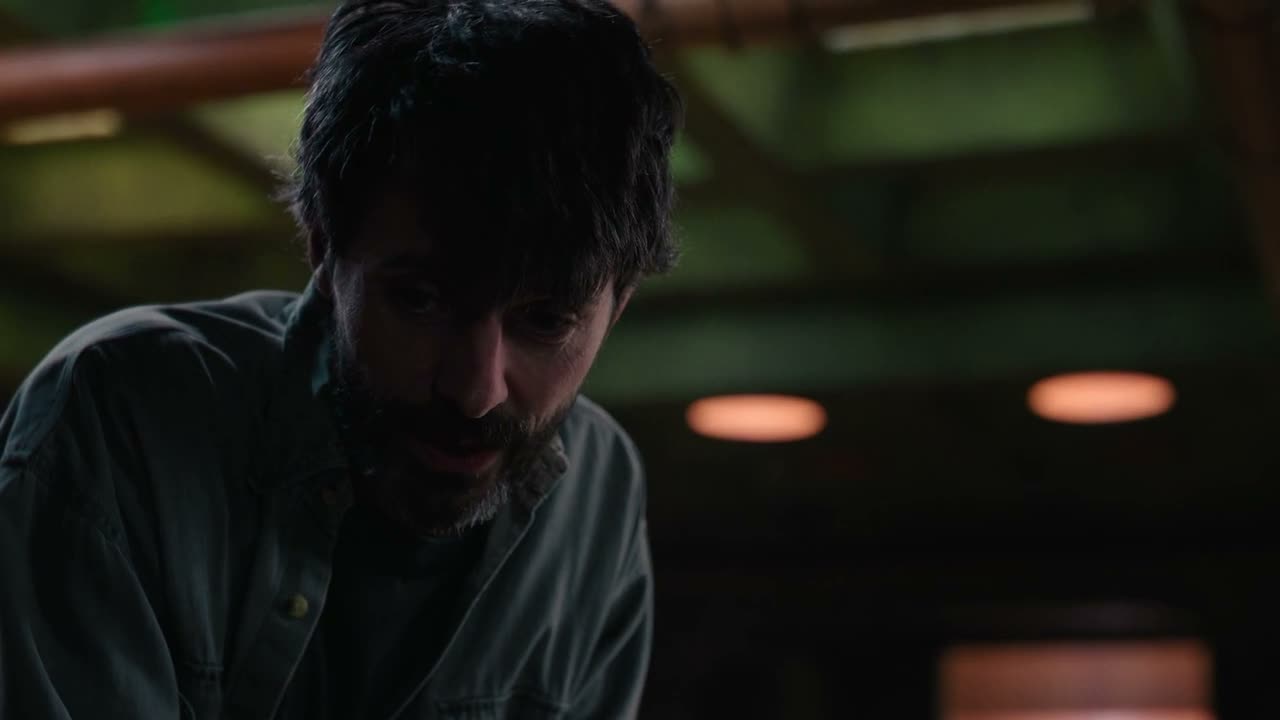
“I'm fine, obviously. No big deal.”