我没事 放心吧
“I'm fine. Don't worry.”
THE DIALOGUE REEL
你没事吧
“Are you okay?”
我没事 放心吧
“I'm fine. Don't worry.”
“But you'll have to put me up for a few days.”
“Do not panic over me, though I actually do need a big favor from you.”
Chinese speakers often instinctively claim they are fine first to prevent imposing emotional distress on loved ones.
LEARNING CHUNKS & PARTICLES
Don't worry / rest assured
A very common phrase used to soothe someone's concern and project calm.
I'm fine / I'm okay
Used routinely in spoken Chinese to brush off concern or downplay trouble.
Softens the imperative 'do not worry' into a gentle, reassuring suggestion.
VOCABULARY & EXPRESSIONS
Parallel Spoken Cinema Scenes (语义近邻切片)

“I'm unharmed, Your Excellency, rest easy.”

“I'm fine too. Don't worry.”
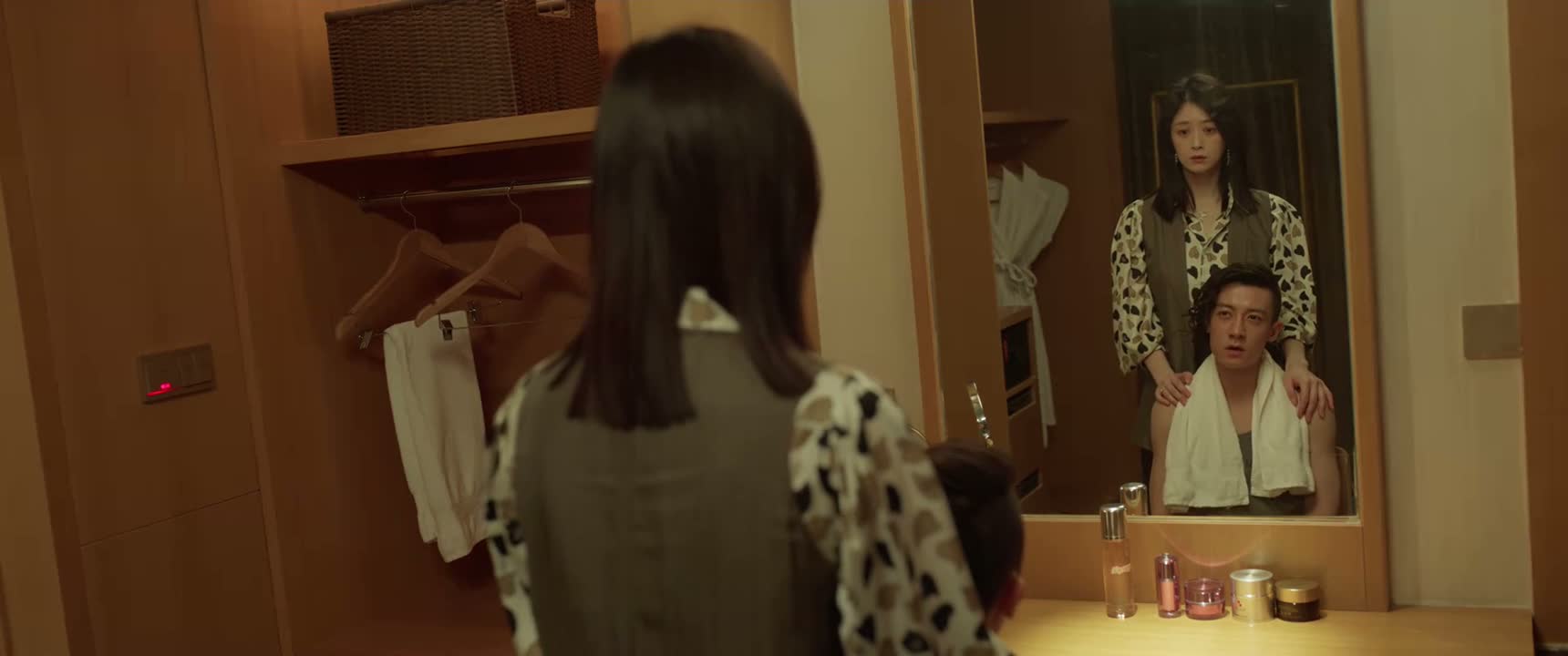
“I'm fine. It's nothing serious.”

“Look how scared you are. I'm fine. Don't worry.”

“I'm fine. Don't worry.”

“I'm fine. Good.”
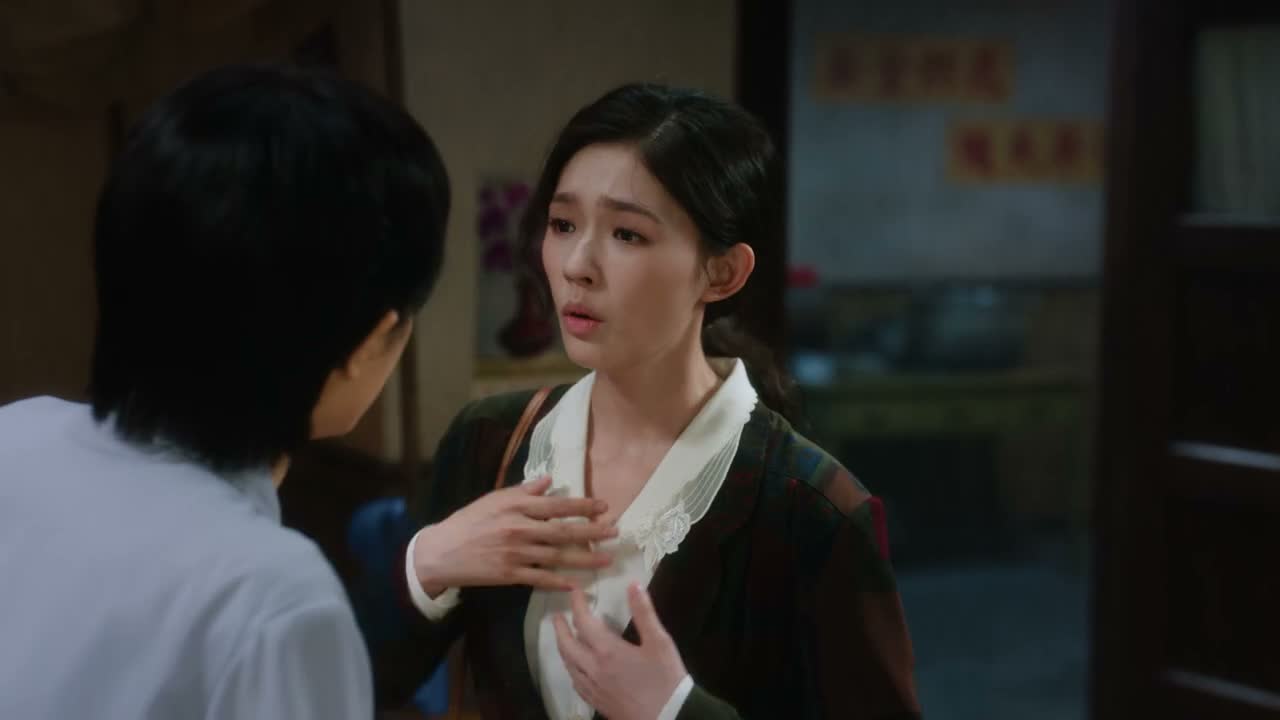
“I'm fine. I'm fine.”

“Don't worry, everything is fine now.”

“but he didn't seem in the best of spirits. But don't worry,”