我呢 不在其位就不谋其政了
“It's no longer my call.”
THE DIALOGUE REEL
以后这种事啊 你就直接找朱团长解决
“From now on, you can go straight to Troupe Leader Zhu.”
我呢 不在其位 就不谋其政了
“It's no longer my call.”
不
“Wait.”
“It is not my place anymore, and I will not get involved in matters that are not my responsibility.”
Deriving from the Analects of Confucius, '不在其位,不谋其政' is a foundational etiquette rule in Chinese organizations to avoid infringing on another official's authority or inviting political suspicion.
LEARNING CHUNKS & PARTICLES
not meddling in affairs outside one's official position
A famous Confucian idiom used tactfully in Chinese workplaces to refuse overstepping authority or to avoid workplace drama.
Pauses on the topic of the speaker ('me'), setting up a contrast with the current leader.
Indicates a newly settled stance or final decision not to interfere.
VOCABULARY & EXPRESSIONS
Parallel Spoken Cinema Scenes (语义近邻切片)

“Do your duty in the position you hold. We can be rivals, and we can also be friends.”
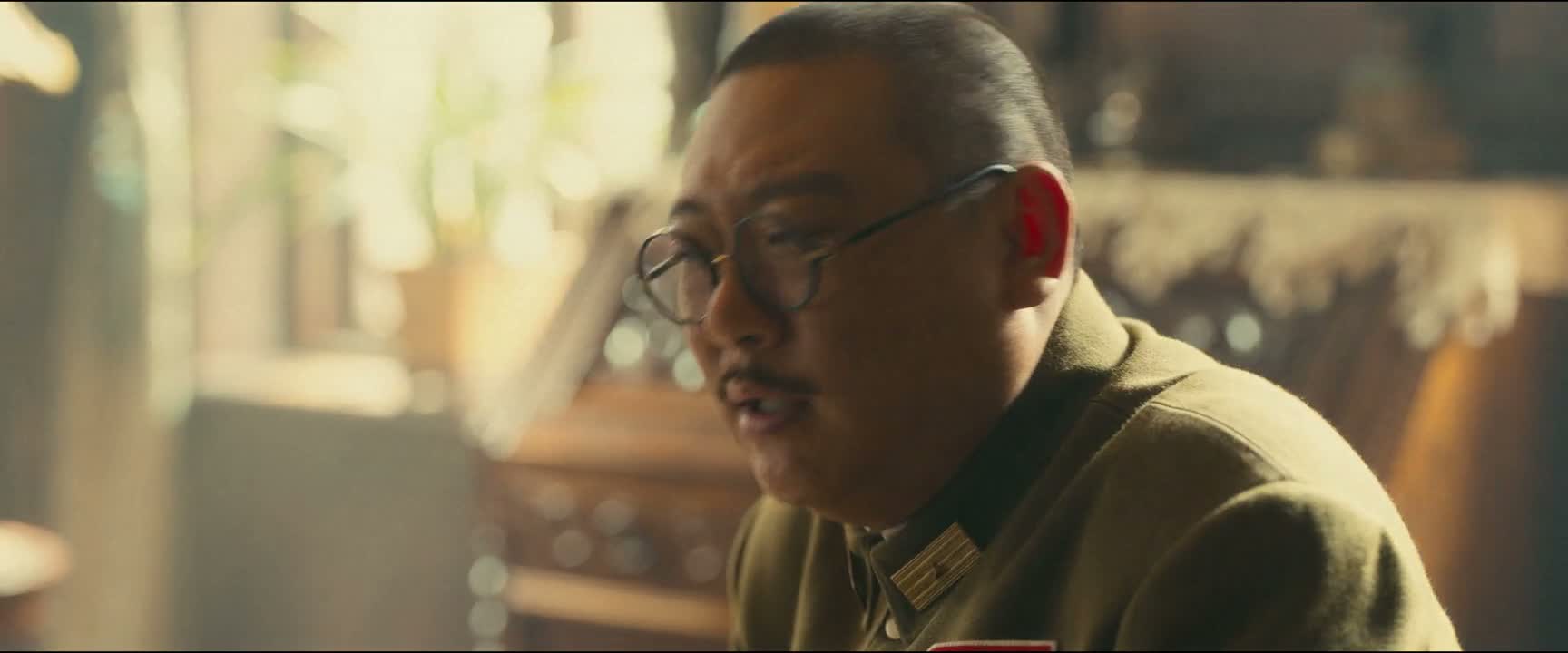
“I can't really say much.”
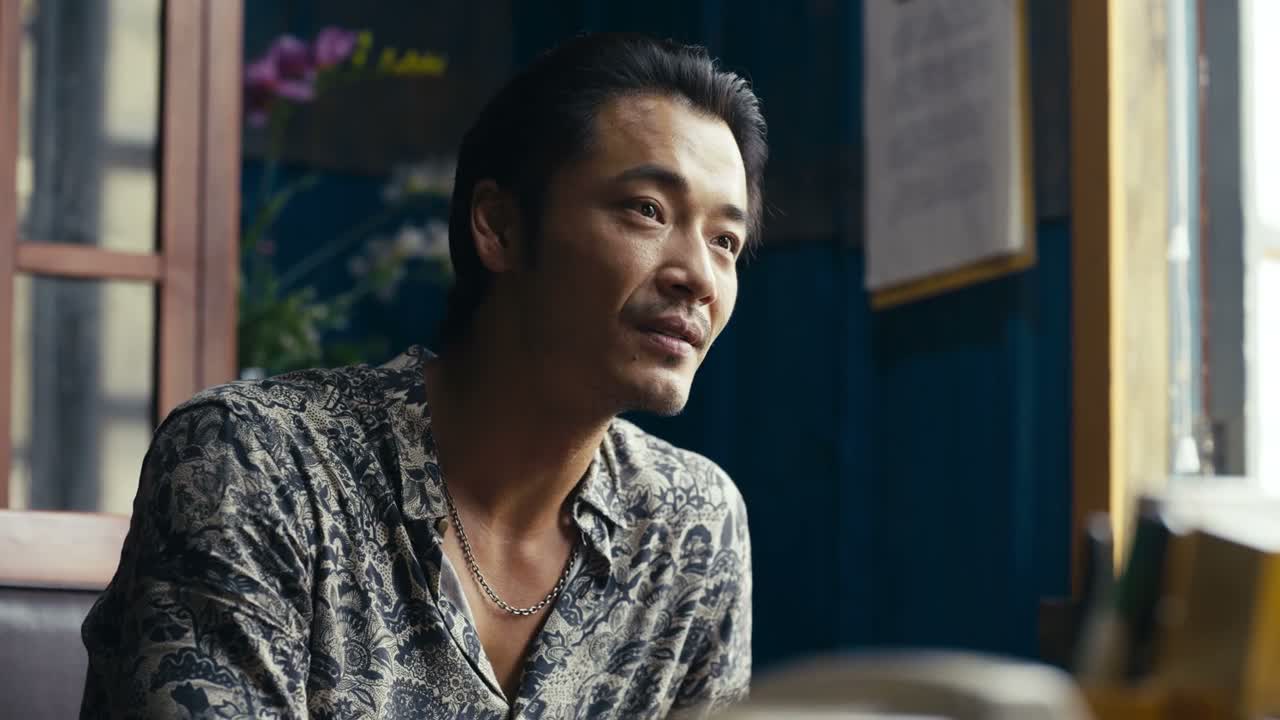
“I used to manage venues in the South.”

“Even though I'm not in the family, but he already treats me like family.”
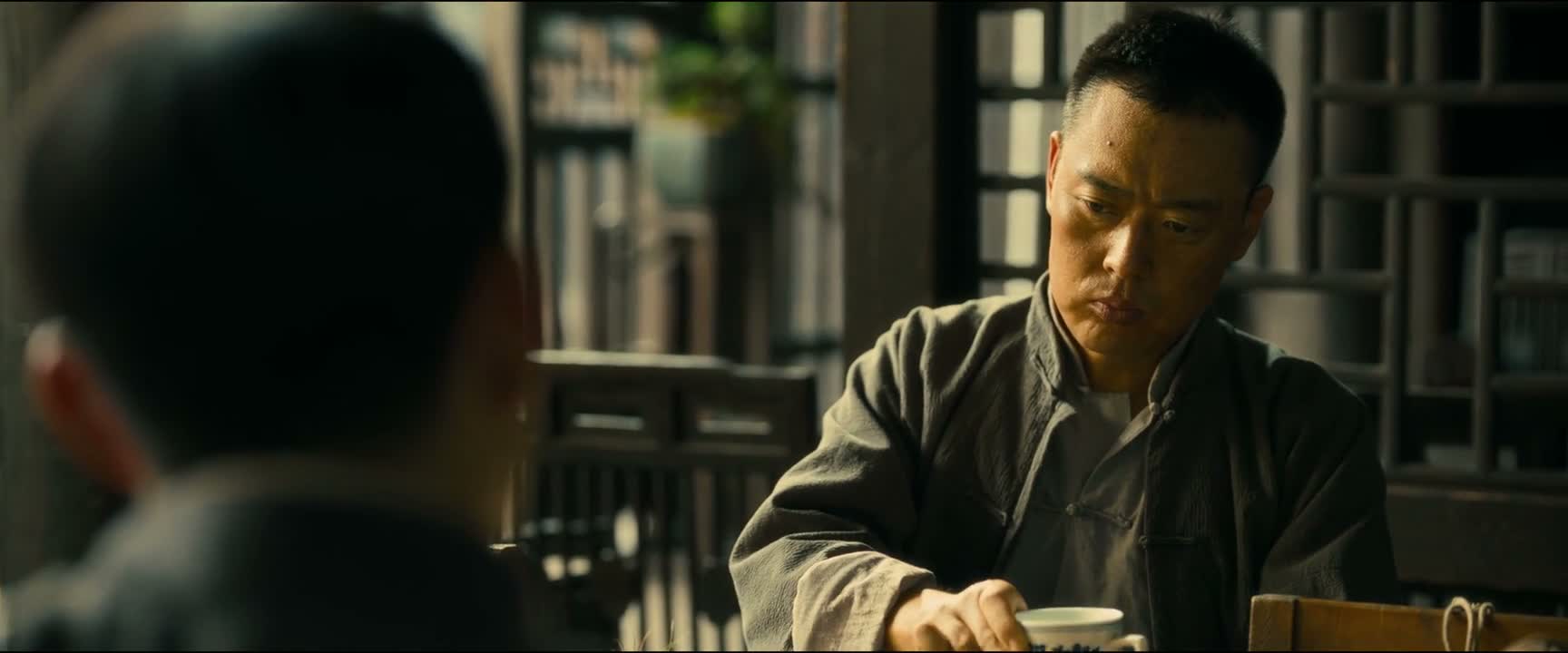
“I have a suggestion.”

“Actually, I don't really care about the importance of the role.”