日子啥时候是个头啊
“When will this ever end?”
THE DIALOGUE REEL
我自己都恨我自己
“I even hate myself for it.”
日子 啥时候是个头 啊
“When will this ever end?”
我求你个事
“Do me a favor.”
“I can't take this misery anymore; I see no light at the end of the tunnel.”
Expressing despair through rhetorical questions about time reflects the traditional burden of enduring hardship without an apparent escape.
LEARNING CHUNKS & PARTICLES
when will it ever end
A highly common rhetorical idiom expressing helplessness and exhaustion toward an ongoing ordeal or suffering.
Enhances the deep emotional sigh and intensifies the sense of sorrowful lamentation.
VOCABULARY & EXPRESSIONS
Parallel Spoken Cinema Scenes (语义近邻切片)

“When will these hard days end?”
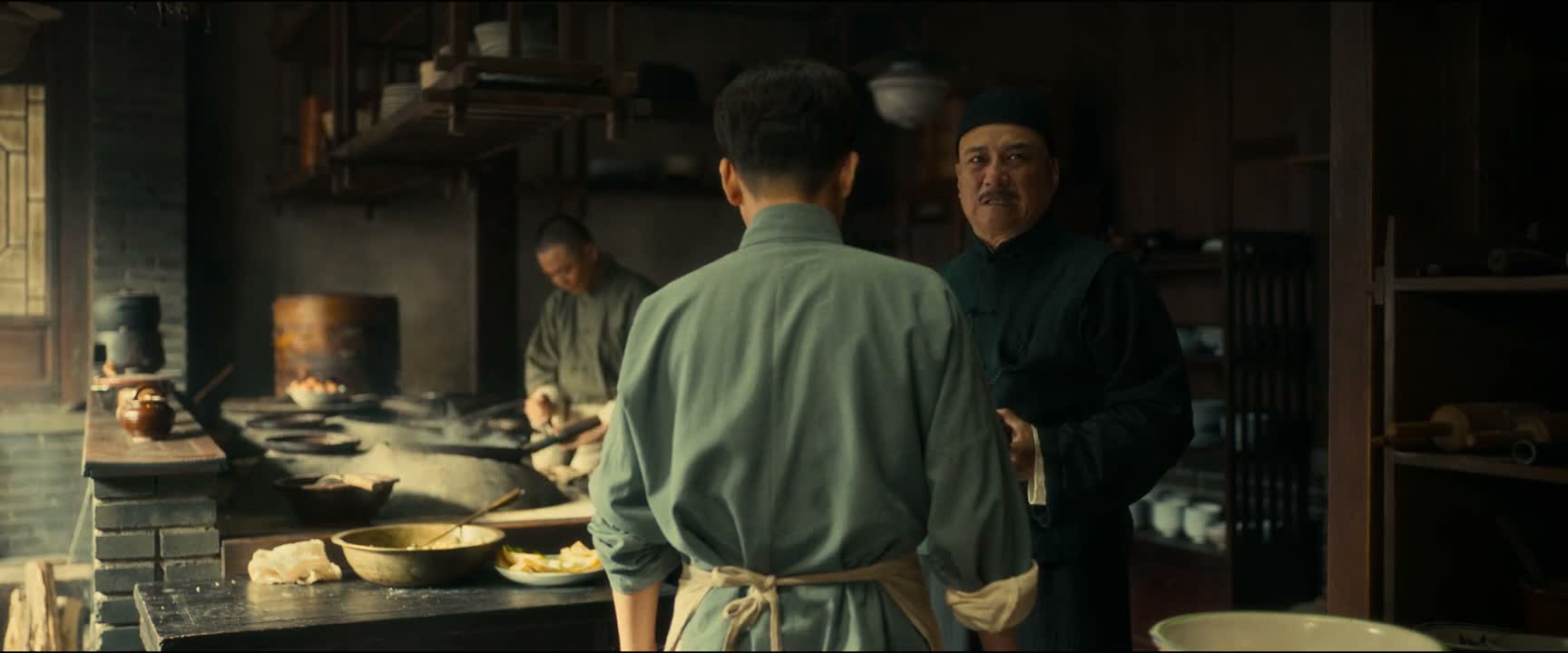
“when will it end?”

“when would he ever get ahead?”

“The days in there felt endless.”

“When will we go? Do you have time now?”