MC
MandarinClips Cinema Corpus
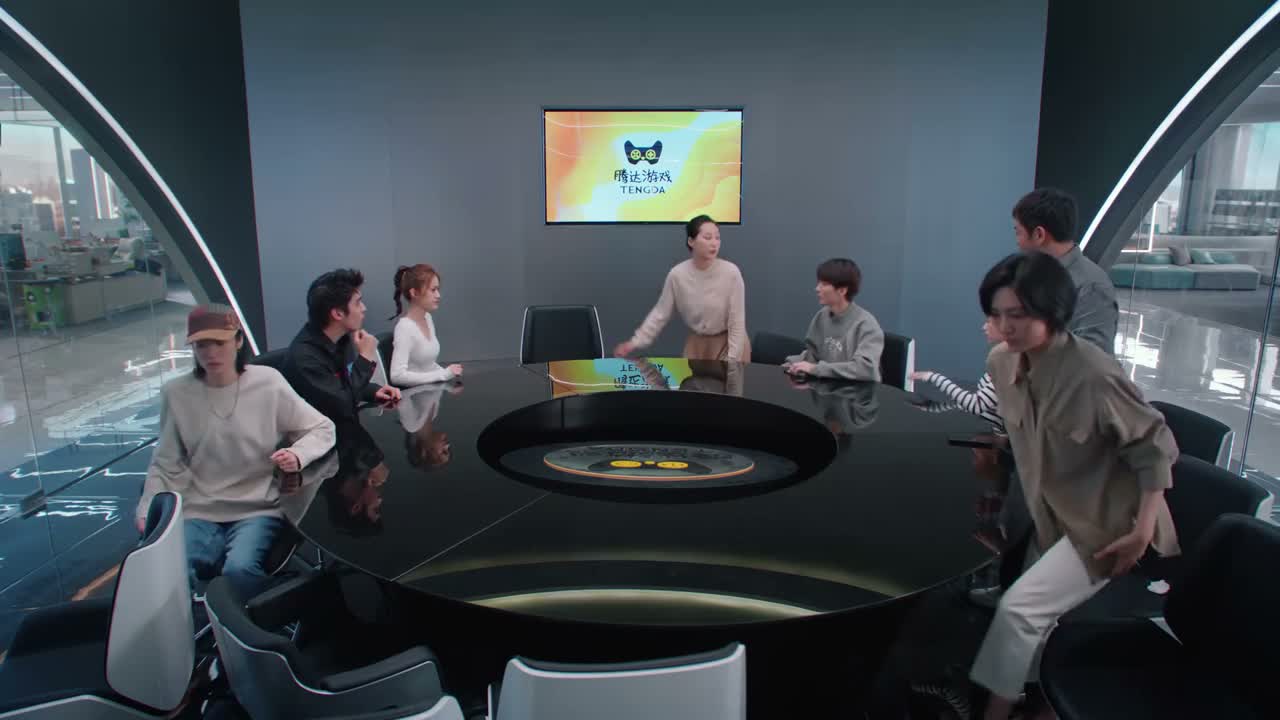
《Love Has Fireworks》 S1·E16 (42:41) HSK 6
méi shì ba bú shì děng huì er sàn le sàn le sàn le

没事吧 不是 等会儿 散了散了散了

“Are you alright? No, wait a minute. Let's go.”

《Love Has Fireworks》 S1·E16
TIMECODE: 42:41 · 1080P MASTER AUDIO

THE DIALOGUE REEL

1+1+1 SPOKEN CONTINUITY
[-1] PREVIOUS TURN dōu sàn le ba dōu sàn le

都散了吧 都散了

“- Let's go. - You can go.”

méi shì ba bú shì děng huì er sàn le sàn le sàn le CURRENT FOCUS

没事吧 不是 等会儿 散了散了散了

“Are you alright? No, wait a minute. Let's go.”

[+1] FOLLOW-UP TURN tā gāng cái shuō nà shén me yì si a

她刚才说那什么意思啊

“What did she mean by that just now?”

Subtitles synced to millisecond timecode Browse Show Clips →
Scene: Daily Life
Function: DISPERSING CROWD
Tone: DISMISSIVE
Emotion: ANNOYANCE
WHAT THEY REALLY MEAN (PRAGMATIC SUBTEXT)

Direct spoken expression in this communicative setting.

💡 Cultural Insight: Dispersing Onlookers (Kan Renao)

Crowds frequently gather to watch public drama (guankezhe/renao); telling them '散了' is necessary to restore privacy and face for those involved.

INTENT TAGS: #crowd_control #concern #intervention #dismissal
🧩

LEARNING CHUNKS & PARTICLES

2 CHUNKS · 2 PARTICLES
没事吧 SPOKEN CHUNK

Are you alright?

The standard informal check-in expression when someone has just undergone a shock, accident, or argument.

散了 SPOKEN CHUNK

break up / disperse / clear out

Repeated urgently to instruct onlookers or crowd members to leave the scene immediately.

Modal Particle「吧」 (ba) CHANGE OF STATE

Softens the inquiry '没事吧', seeking confirmation of the other person's well-being.

Modal Particle「了」 (le) CHANGE OF STATE

Signals the immediate completion of an action or transition of state when used in repeated commands like '散了'.

🏮

VOCABULARY & EXPRESSIONS

4 EXPR · 0 GRAMMAR
CROSS-CINEMA CORPUS BOARD · PARALLEL SCENES

Parallel Spoken Cinema Scenes (语义近邻切片)

EXPLORE BY SEMANTIC SIMILARITY
《Love Has Fireworks》 S1·E16 (42:41) · Authentic Cinema Dialogue Corpus