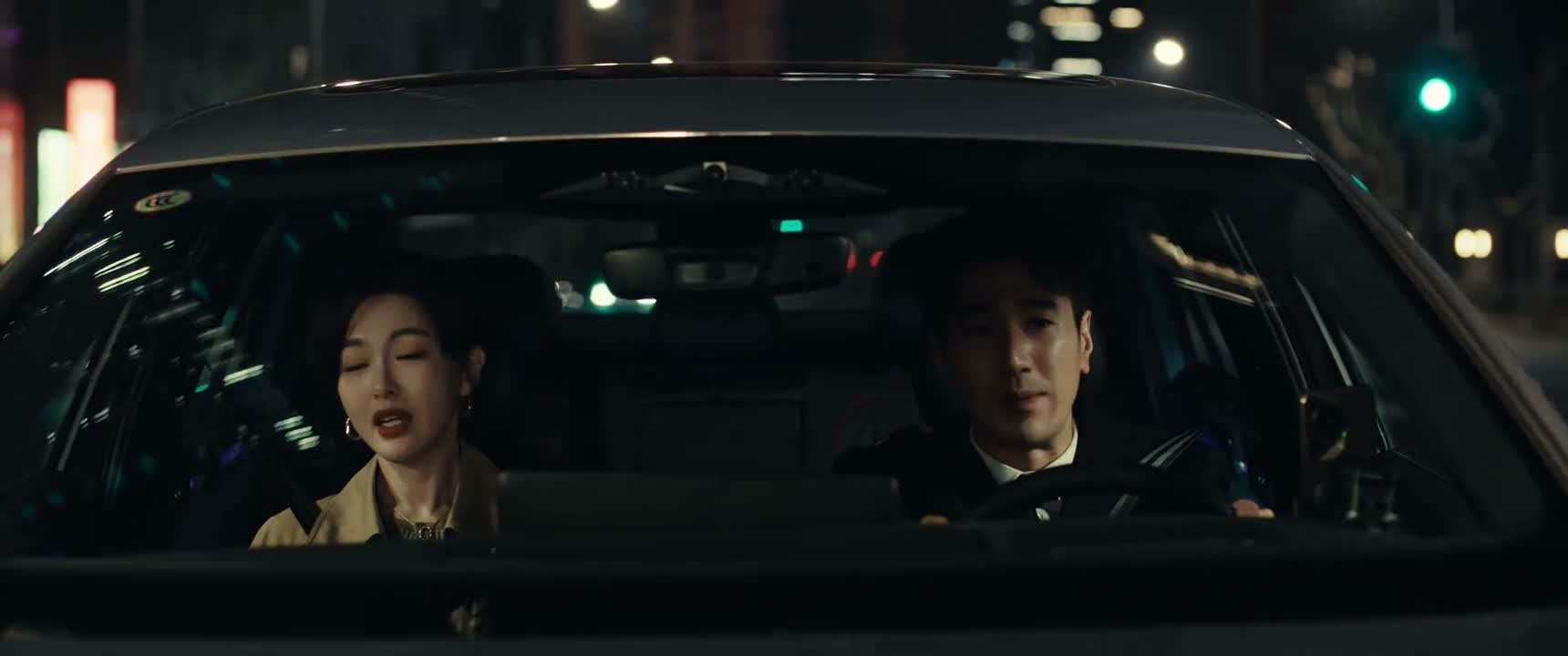
《Love Has Fireworks》 S1·E16 (01:47)
HSK 1
méi yǒu xiǎng shén me ne
没有 想什么呢
“No, what are you thinking?”
《Love Has Fireworks》
S1·E16
TIMECODE: 01:47
·
1080P MASTER AUDIO
THE DIALOGUE REEL
[-1] PREVIOUS TURN
nǐ méi gēn wǒ sā huǎng ba
你没跟我撒谎吧
“you didn't lie to me, right?”
méi yǒu xiǎng shén me ne
CURRENT FOCUS
没有 想什么呢
“No, what are you thinking?”
[+1] FOLLOW-UP TURN
nà jiù hǎo
那就好
“That's good.”
Subtitles synced to millisecond timecode
Browse Show Clips →
Scene:
Social & Dating
Function:
DENIAL
Tone:
DEFENSIVE
Emotion:
DEFENSIVENESS
WHAT THEY REALLY MEAN (PRAGMATIC SUBTEXT)
“Of course I didn't, stop overthinking and doubting me.”
💡 Cultural Insight: Rhetorical Deflection in Trust Dynamics
In close Chinese interpersonal relationships, addressing suspicion with a mildly reproachful rhetorical question is often used to assert innocence while urging the partner not to overthink.
INTENT TAGS:
#denial
#deflection
#reassurance
#dismissal
🧩
1 CHUNKS · 1 PARTICLES
LEARNING CHUNKS & PARTICLES
想什么呢
SPOKEN CHUNK
What are you thinking? / What's on your mind?
Commonly used in spoken Chinese to dismiss someone's groundless worry, suspicion, or absurd suggestion.
Modal Particle「呢」 (ne)
CHANGE OF STATE
Softens the rhetorical question while expressing mild exasperation at the listener's overthinking.
🏮
2 EXPR · 0 GRAMMAR
VOCABULARY & EXPRESSIONS
COLLOQUIAL EXPRESSIONS:
CROSS-CINEMA CORPUS BOARD · PARALLEL SCENES
EXPLORE BY SEMANTIC SIMILARITY
Parallel Spoken Cinema Scenes (语义近邻切片)

《Love Has Fireworks》 S1·E16 (01:47) · Authentic Cinema Dialogue Corpus